Showing posts with label roundup. Show all posts

Tuesday, May 1, 2018

May 2018 Science Journal Article roundup

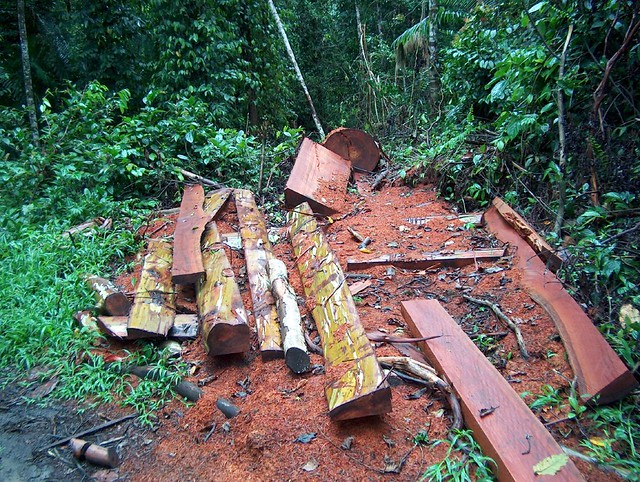
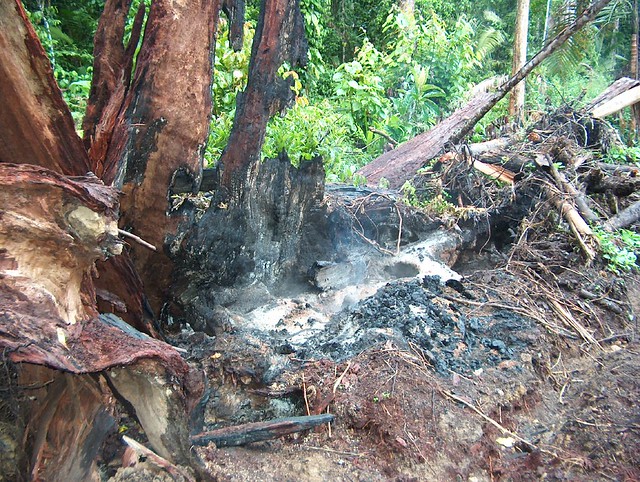
burning logged forest

Merry May!

Most of this summary was written on a red-eye flight to China, so apologies if it makes even less sense than usual, and please let me know if you spot errors or omissions! There's some focus on habitat conversion, but I threw in two water quality papers, plus one each on grazing and soil C, and one on knowledge diffusion.

KNOWLEDGE DIFFUSION / INFORMATION SHARING:
There's another paper out from the study of how Conservation by Design (CbD) 2.0 spread through TNC and beyond. This paper (led by Yuta Masuda, I'm a co-author) focuses on "boundary spanners" - people with informal connections across departments / geography. These “boundary spanners” are four times more likely to spread information about “innovations” (here that means info about CbD 2.0) and to drive changes in attitude that encourage adoption. However, their advantage in spreading info only exists when they have <4 direct reports and are relatively low in the organizational hierarchy (counting levels of who reports to their direct reports etc. etc.). There's a blog with more info at: https://www.sciencedaily.com/releases/2018/04/180409090127.htm and you can read the paper at http://rdcu.be/Kre4


HABITAT CONVERSION:
Nevle & Bird 2008 is grim but fascinating. They find a connection between seemingly unrelated factors: global CO2 levels and pandemics among indigenous people in the Americas brought on by European contact. They link the population crash to a reduction in burning of forests for swidden agriculture, subsequent forest regrowth storing ~5-10 Gt carbon, and argue this is a likely contributor to a small measured reduction in global atmospheric CO2 at the same time. It's more of an interesting hypothesis with data which is consistent than real 'proof' but it's still a fascinating (if depressing) read.

OK, you know food choices matter for habitat conversion, and several alternatives to conventional meat are 'hot' right now. But what protein source has the most promise for sustainability? Alexander 2017 has some answers. They look at a few categories: insects (crickets and mealworms), plant-based imitation meats (they looked at humble tofu rather than newer products like the 'bloody' impossible burger), cultured meat (real meat from animal cells grown in a lab), and aquaculture. Fig 1 has the results on efficiency - tofu came out on top (if you find it gross, let me know, preparation is key and rarely done right in the US), followed by bugs. Cultured meat didn't have much edge over pork and poultry. Table 2 then shows what the global impact on land use would be under different diet change scenarios (including odd ones like replacing 50% of current animal products with beef, doubling the ag footprint on earth). While insects came out as less efficient than plant foods, that could change if we found ways to use food waste for a significant portion of the insect feed.

Chaplin-Kramer 2015 asks how much it matters which lands get deforested in terms of impact on carbon storage and biodiversity. They look at two regions of Brazil and find where conversion happens affects its impact by a factor of 2-4, which conversion deep inside forests more harmful than nibbling away at the edges (although they note that their modelling scenarios use patterns different from what is typically seen in the real world). The discussion has some good points about how development of roads into new regions will likely have a higher impact than investment in infrastructure around existing agricultural lands.

Tyukavina et al 2017 has details on deforestation and forest degradation in the Brazilian Amazon since 2000. Figure 2A is my favorite - it conveys both the reduction in overall tree cover loss since a 2004 peak, and also the shift in what the land was cleared for. Pasture is consistently the biggest chunk, followed by swidden (small scale slash & burn) and then permanent croplands. There's lots of other interesting data here but that figure was the high point for me.

Wright et al 2017 uses a recent high-quality data set on conversion of natural habitat to / from farmland to show that there is a correlation between how much habitat was converted to farmland and how close the land is to the nearest ethanol refinery. While this study didn't correct for other factors, they point to another study which did and still found refinery proximity to be significant with conversion. The ability of refineries to stimulate conversion were highest where corn acreage was low to start. See http://wxpr.org/post/study-links-ethanol-production-habitat-destruction for a blog post aobut this one.

Kastens et al 2017 uses remote sensing data to look at conversion of forests in Brazil to soy farmland. The key finding is that the forest to soy conversion rate was cut in half after the 2006 soy moratorium. You can see the shift in Figure 5 by noting the change in the slope of the green line, but the abrupt difference right after the moratorium is more apparent in table 3.


AGRICULTURE (WATER QUALITY):
Hansen et al 2018 is a cool paper using empirical data to test how effective wetlands in the Minnesota River basin are at reducing nitrates in an ag landscape compared to cover crops and land retirement. They compared river water quality at ~200 sites under different flow conditions to high-resolution data on wetlands and land use to map correlations (they didn't get at true causation). They found wetlands were 5 times more effective per unit area at removing nitrates compared to cover crops and land retirement (although it's much harder to make a business case to a farmer around wetland creation). They also found wetlands strategically placed to intercept as much flow as possible were much more effective (see Fig 4 - the concept is obvious but the numbers are interesting). All these findings align well with prior work emphasizing the critical role of well-placed wetlands to improve water quality. If you read this paper watch out for the term "crop cover" (% of a given site area used to grow crops) as opposed to "cover crops" (presence of an additional crop on farmland that would otherwise be fallow for part of the year), as they're not super clear how they use the two terms.

Another potentially important tool to improve water quality can be controlled drainage aka "drainage water management" or DWM for short. The basic idea is that for cropland with 'tile drains' the nutrient-laden water can be stored and later reapplied to the field. Ross et al 2016 (led by several TNC colleagues) looked at both how effective DWM was on average in reducing the flow of water, N, and P from tile drained landscapes (they were all cut roughly in half), and identified what tended to make DWM work best. DWM performed better at higher fertilizer rates, when aggressively managed during the non-growing season, and there's a lot more evidence on N than P. Possible caveats: DWM can increase surface flow (and potentially erosion) as well as increase N2O by keeping fields wetter depending on how it's done.


GRAZING / SOIL CARBON:
Naverette 2016 (led by TNC's Diego Naverette) is another paper showing that we need different grazing strategies in temperate and tropical climates. There is considerable interest in temperate regions about the potential for high-intensity rotational grazing to improve soil carbon sequestration under some conditions. But this paper found in their study area (part of Colombia / Brazil / Peru), conversion from forest to grazing lands at intensities >1 head per ha led to soil carbon declining by 20% on average after 20 years, while conversion from forest to low-intensity grazing lands (<1 head / ha) actually led to a 40% increase! It's important to note rather than looking at individual pastures, the study looked at one "high intensity" region and one "low intensity region," so it's not controlling for soil type or other variables. Also note that the low intensity region includes a lot of abandoned pasture land which was regrowing with trees and shrubs, and questions of 'land sparing' by intensive grazing were not addressed. But this is useful baseline data we can use to evaluate the contribution of silvopastoral systems.

REFERENCES:
Alexander, P., Brown, C., Arneth, A., Dias, C., Finnigan, J., Moran, D., & Rounsevell, M. D. A. (2017). Could consumption of insects, cultured meat or imitation meat reduce global agricultural land use? Global Food Security, (April), 1–11. https://doi.org/10.1016/j.gfs.2017.04.001

Chaplin-Kramer, R., Sharp, R. P., Mandle, L., Sim, S., Johnson, J., Butnar, I., … Kareiva, P. M. (2015). Spatial patterns of agricultural expansion determine impacts on biodiversity and carbon storage. Proceedings of the National Academy of Sciences, 112(24), 7402–7407. https://doi.org/10.1073/pnas.1406485112

Hansen, A. T., Dolph, C. L., Foufoula-Georgiou, E., & Finlay, J. C. (2018). Contribution of wetlands to nitrate removal at the watershed scale. Nature Geoscience. https://doi.org/10.1038/s41561-017-0056-6

Kastens, J. H., Brown, J. C., Coutinho, A. C., & Esquerdo, D. M. (2017). Soy moratorium impacts on soybean and deforestation dynamics in Mato Grosso , Brazil, 1–21.

Masuda, Y. J., Liu, Y., Reddy, S. M. W., Frank, K. A., Burford, K., Fisher, J. R. B., & Montambault, J. (2018). Innovation diffusion within large environmental NGOs through informal network agents. Nature Sustainability, 1(4), 190–197. https://doi.org/10.1038/s41893-018-0045-9

Navarrete, D., Sitch, S., Aragão, L. E. O. C., & Pedroni, L. (2016). Conversion from forests to pastures in the Colombian Amazon leads to contrasting soil carbon dynamics depending on land management practices. Global Change Biology, 22(10), 3503–3517. https://doi.org/10.1111/gcb.13266

Nevle, R. J., & Bird, D. K. (2008). Effects of syn-pandemic fire reduction and reforestation in the tropical Americas on atmospheric CO2 during European conquest. Palaeogeography, Palaeoclimatology, Palaeoecology, 264(1–2), 25–38. https://doi.org/10.1016/j.palaeo.2008.03.008

Ross, J. A., Herbert, M. E., Sowa, S. P., Frankenberger, J. R., King, K. W., Christopher, S. F., … Yen, H. (2016). A synthesis and comparative evaluation of factors influencing the effectiveness of drainage water management. Agricultural Water Management, 178, 366–376. https://doi.org/10.1016/j.agwat.2016.10.011

Tyukavina, A., Hansen, M. C., Potapov, P. V., Stehman, S. V., Smith-Rodriguez, K., Okpa, C., & Aguilar, R. (2017). Types and rates of forest disturbance in Brazilian Legal Amazon, 2000–2013. Science Advances, 3(4), 1–16. https://doi.org/10.1126/sciadv.1601047

Wright, C. K., Larson, B., Lark, T. J., & Gibbs, H. K. (n.d.). Recent grassland losses are concentrated around U . S . ethanol refineries, 44001.


Sincerely,

Jon

p.s. as a reminder, you can search all of the science articles written by TNC staff (that we know of) here http://www.conservationgateway.org/ConservationPlanning/ToolsData/sitepages/article-list.aspx
(as you publish please email science_pubs@tnc.org to help keep this resource current).
If you'd like to keep track of what I write as well as what I read, I always link to both my informal blog posts and my formal publications (plus these summaries) at http://sciencejon.blogspot.com/

Wednesday, April 11, 2018

April 2018 Science Journal Article Summary

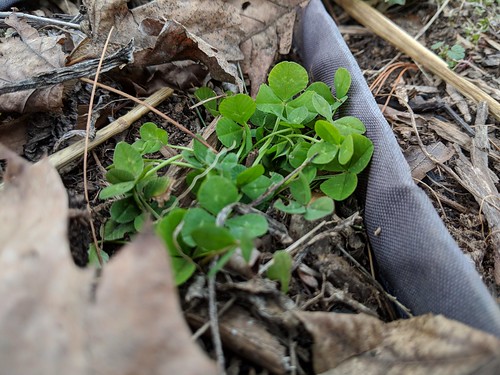
Red clover as attempted cover crop
Easter Greetings,

Farming is really hard! Cover crops (which cover farms after the primary crop is harvested) can offer benefits to both farmers and nature, but incorporating them is hard too. The photo above is the biggest patch of my attempted red clover cover crop in my tiny garden. So to get ready for the coming year, I've focused on several articles about cover crops, plus one new giant study on improving agriculture in China.

I can also finally share a book chapter I wrote 3 years ago which has languished "in press" after being accepted (it should be actually published late 2018). The first half is OK, but I'd skip to the 2nd half (start with the "Can Corporate Sustainability reporting be a force for improved agricultural practices?" section). There's some interesting content I haven't seen anywhere else on corporate sustainabiltiy and food labels. The chapter is available from: http://fish.freeshell.org/publications/FisherKareiva_CUP_2018_preformatted.pdf

Finally, fed up with people not finding your science journal articles, or having them inaccessible due to a paywall? I have answers to both problems in a new blog post: http://sciencejon.blogspot.com/2018/03/tips-for-helping-people-to-find-your.html

Let me know if you need a copy of any of the articles below.

AGRICULTURE (CHINA):
Cui et al 2018 reports on the results of an ambitious study that worked with 21 million farmers (!) of maize, rice, and wheat over 10 years. China currently has some of the least efficient farms in the world, presenting a huge need to improve. This study used a soil & crop management framework that resulted in ~11% improved yield while reducing N application by ~16% (and reactive N losses by ~25%), and GHGs by 14-22% depending on crop. The scale is impressive: altogether they influenced 37.7 million ha. Interestingly, extension staff impacted over 10 times the area per staff person (471 ha / person) compared to agribusiness partners (see Fig 2). Regardless, this is good news in showing that it's possible to achieve "win-win" outcomes at scale even with smallholders. On the other hand, nitrogen efficiency is so poor in China, that much larger changes are needed to bring them in line with world averages, let alone truly sustainable targets (highlighting that policy changes are likely needed as well). Fig 1 has a great breakdown of impacts by crop and region.

AGRICULTURE (COVER CROPS):
Why don't more farmers use cover crops? Roesch-McNally et al. 2017 asked them: what are the barriers, and how do cover crop users overcome them? Cover crops add complexity at very busy times for farmers, which is a key issue. They report concern about having time to plant cover crops in fall, and time to terminate them in spring without impacting cash crop planting. Lack of markets and equipment, narrow profits margins, and prevalence of rented land were also limiting. Farmers who overcame these barriers generally saw their farm as a "whole system" and were willing to experiment and modify other practices (e.g. tillage and fertilization). The authors wrap up by exploring several policy interventions (cost-sharing, new markets, promoting crop / livestock systems, and economic incentives).

Bergtold et al. 2017 dive more into the economic aspect of cover crops in Kansas (direct costs, indirect & opportunity costs, direct & indirect benefits, risk & crop insurance, and policy incentives). They find that on average cover crops will net farmers $7.04/ac on irrigated land, but cost them $28/ac on dryland (potentially $20/ac under less conservative assumptions). That difference is driven mainly by lower yields in drylands reducing the opportunity for a % boost in yield to add up to much. They honestly don't explain the rationale behind their calculations very well, so I wouldn't put too much stock in those specific numbers for net costs (and see Baschle below for different findings), but it's a useful reference for thinking through types of costs and benefits. It's long but even skimming the section headings will likely be informative.

Snapp et al. 2005 is a thoughtful review of cover crop benefits and costs, adding a key factor often overlooked. Different cover crops perform very differently in different contexts! The authors break down cover crop performance into USDA Hardiness Zone categories, and summer and winter crops. The whole article is a good resource, but I hadn't heard much about summer cover crops so was intrigued to read about their use to rehabilitate fields with poor performance. The main options were sorghum sudangrass and alfalfa in the north (although mixed grass-legume systems also show potential) and in the south sudangrass and a range of legumes (including pigeon pea, cowpea, and sunn hemp). This all reinforces the idea that cover crop selection is complicated and that a one size fits all approach won't work well.

Wilcoxen et al. 2018 (which includes TNC's Jeff Walk as a co-author) looks at a rarely studied aspect of cover crops: how do they impact birds? For both corn and soy, cover crops improved bird habitat / bird density. It's a small study and most fields were cereal rye, but their data seem to indicate the tall grass of rye was especially attractive. The authors note that terminating cover crops later would likely benefit birds, although as noted in the studies above that can prove challenging for farmers.

Basche et al. 2016 looks at how winter rye in the Midwestern US affects soil water capacity. The water paper asks whether cover crops reduce or improve water available for cash crops. They found the cover crop generally boosted plant water available to cash crops by ~21%, but did not impact crop yield (even during drought). At the end of p9 they have suggestions on how to manage cover crops to avoid water competition (e.g. terminate them early in dry years).


AGRICULTURE (SOIL HEALTH):
While not restricted to cover crops, Basche 2017 looks at how much different crop & grazing practices can affect water infiltration. Some of the recommendations aren't terribly practical currently, but Figure 3 shows which practices most consistently improve infiltration as a %, and Figure 4 shows which ones can lead to an absolute increase in infiltration of 1 inch during heavy rain storms. Cover crops were found to improve infiltration ~20-50%, and in about 1/3 of the studies that led to absorbing >1 inch of rain during heavy rain storms.

Woodard & Verteramo-Chiu look at how much better the Federal Crop Insurance Program (FCIP) could perform if it used soil data to establish rates and coverage. In other words, how could FCIP incentivize soil health practices that would reduce risks and costs of the program, while avoiding perverse incentives (e.g. in the past crop insurance was not available to farmers using cover crops). It's a fairly wonky economics paper, but they make a good case for much errors and bias exist in the current program. The key finding is that farms with high-quality soils are generally overpaying, and low-quality farms are underpaying. See Fig 3 for an example of how strong the pricing erors are (up to a factor of 6). By accounting for soils data (and perhaps current practices), this program could be an important driver to get farmers to start rebuilding healthier soils to keep premiums low. They focus on top corn producing states where soil quality is relatively homogeneous; benefits of accounting for soil should be higher in regions with more varied soil. With predicted volatility from climate change, improving crop insurance will be increasingly important.


REFERENCES:
Basche, A. D., Kaspar, T. C., Archontoulis, S. V., Jaynes, D. B., Sauer, T. J., Parkin, T. B., & Miguez, F. E. (2016). Soil water improvements with the long-term use of a winter rye cover crop. Agricultural Water Management, 172, 40–50. https://doi.org/10.1016/j.agwat.2016.04.006

Basche, A. (2017). Turning Soils into Sponges: How Farmers Can Fight Floods and Droughts. Retrieved from http://www.ucsusa.org/sites/default/files/attach/2017/08/turning-soils-into-sponges-full-report-august-2017.pdf

Bergtold, J. S., Ramsey, S., Maddy, L., & Williams, J. R. (2017). A review of economic considerations for cover crops as a conservation practice. Renewable Agriculture and Food Systems, 1–15. https://doi.org/10.1017/S1742170517000278

Cui, Z., Zhang, H., Chen, X., Zhang, C., Ma, W., Huang, C., … Dou, Z. (2018). Pursuing sustainable productivity with millions of smallholder farmers. Nature, 555, 363–366. https://doi.org/10.1038/nature25785

Roesch-McNally, G. E., Basche, A. D., Arbuckle, J. G., Tyndall, J. C., Miguez, F. E., Bowman, T., & Clay, R. (2017). The trouble with cover crops: Farmers’ experiences with overcoming barriers to adoption. Renewable Agriculture and Food Systems, 1–12. https://doi.org/10.1017/S1742170517000096

Snapp, S. S., Swinton, S. M., Labarta, R., Mutch, D., Black, J. R., Leep, R., … O’Neil, K. (2005). Evaluating Cover Crops for Benefits, Costs and Performance within Cropping System Niches. Agronomy Journal, 97, 322–332. https://doi.org/10.2134/agronj2005.0322

Wilcoxen, C. A., Walk, J. W., & Ward, M. P. (2018). Use of cover crop fields by migratory and resident birds. Agriculture, Ecosystems & Environment, 252, 42–50. https://doi.org/10.1016/j.agee.2017.09.039

Woodard, J. D., & Verteramo-Chiu, L. J. (2017). Efficiency impacts of utilizing soil data in the pricing of the federal crop insurance program. American Journal of Agricultural Economics, 99(3), 757–772. https://doi.org/10.1093/ajae/aaw099


Sincerely,

Jon

p.s. as a reminder, you can search all of the science articles written by TNC staff (that we know of) here http://www.conservationgateway.org/ConservationPlanning/ToolsData/sitepages/article-list.aspx
(as you publish please email science_pubs@tnc.org to help keep this resource current).
If you'd like to keep track of what I write as well as what I read, I always link to both my informal blog posts and my formal publications (plus these summaries) at http://sciencejon.blogspot.com/

Thursday, March 1, 2018

March 2018 Science Journal Article Summary


Hi,

It has been a hectic month so I haven't read much science. I'm including two articles on beef sustainability (one exciting case study, and one much broader review), as well as a new paper of mine that was finally published after an epic 14 month review. My paper looks at how information about CbD 2.0 spread within TNC and beyond, and while it's long and dense I'd encourage you to at least check out the summary below for tips on how to aid "knowledge diffusion" and how to study it.

BEEF SUSTAINABILITY:
Stanley et al. 2018 is a paper arguing that proper grazing management may be able to make beef a net carbon sink. They don't go quite that far, but it's a reasonable extrapolation. While this is an encouraging case study and we should look carefully at how to apply it, there are some really important caveats to interpreting this more broadly. Specifically, they found using "adaptive multi-paddock (AMP)" grazing for the finishing phase of cattle instead of feeding them grain resulted in a sink of ~6.7 kg CO2e / kg carcass weight, compared to a source of ~6.1 kg CO2e / kg for feedlot beef. The study is designed well, and soil C improvements were measured empirically over 4 years, in three types of soil in the Upper Midwest. That being said, there are a few big issues that challenge the narrative of "carbon positive beef" being possible at wide scales:
  1. The soil sequestration here (3.6 Mg C / ha / yr) is much higher than is typically reported (although some studies have shown similar rates).
  2. These rates would diminish over time; it's not clear how fast the soil would saturate but high rates like this would be most likely in early years after improving management of highly degraded soils.
  3. This study was on alfalfa pasture (which fixes N); it's unlikely these results would apply to unfertilized rangelands
  4. The study did not include soil nitrous oxide emissions which are often substantial in leguminous pastures.
  5. Finally, the grass-finished beef took up twice as much space as the feedlot beef. That could be good from a perspective of prevent conversion of grasslands by keeping them in production, but it also means that if we scaled up grass-finished beef at this density, we'd have to find twice as much land to graze cattle on, which could drive conversion. It would also likely raise costs for producers and consumers.

Garnett et al. 2017 ("Grazed and Confused") is a very thoughtful review of the climate change / GHG impact of ruminants (largely cattle). Their first key findings is that even with good grazing ruminants still have high net GHG emissions. They also note sequestering soil carbon often has trade-offs with methane and nitrous oxide. Finally, as demand for animal protein rises sharply there is likely to be both land conversion and increasing GHGs as a result. These have all been reported widely in other studies, but it's a nice summary. On the one hand, it's hard to pull out quantitative results from this paper. On the other, it does a great job of covering the various arguments and counterpoints around cattle and carbon, and presenting the data in a value-neutral tone. Anyone interested in this topic should at least skim the 8-page summary.

KNOWLEDGE DIFFUSION:
Fisher et al. 2018 ("Knowledge diffusion within a large conservation organization and beyond") looks at how people find information about innovations and share them, specifically the spread of Conservation by Design 2.0 (CbD 2.0). We review how earlier versions of CbD spread from TNC (looking at published science articles and expert interviews), then use tons of varied data to look at CbD 2.0. I wrote a blog about the paper here: http://sciencejon.blogspot.com/2018/03/share-good-news-paper-on-improving.html
and the full paper is at: http://journals.plos.org/plosone/article?id=10.1371/journal.pone.0193716
but here's a summary of what we learned:
  1. Sending repeated broadly-targeted communications (e.g. all-staff email / newsletters / etc.) that make it easy for recipients to find out more worked better than more narrowly focused communications (e.g. plenary talks, emails from executives).
  2. Expert interviews revealed several factors to promote diffusion: bringing in partners early to develop and test methods, committing up front to sustain support for the planning methods, having in-person workshops, using peer-review and shared learning, providing financial support, explaining how the methods address existing needs planners already have, and the existence of a support and learning network like the conservation coaches network (CCNET). 
  3. Organizations may wish to use internal data to identify staff likely to play a key role in diffusing so that they can encourage that process (the paper has details on how, with more forthcoming in an upcoming paper)
  4. Working with academics on publications represents a potential way to get the word out with relatively low effort for organizations (academics I have worked with in other contexts are often very interested in data no one else has access to, and have published cool papers from those data). 
  5. For scientists interested in this topic, we learned a lot about how to study knowledge diffusion, and share tips for researchers (e.g. thinking about image-blocking, legal and privacy constraints, distinguishing internal and external website visits, etc.).

REFERENCES:
Fisher, J. R. B., Montambault, J., Burford, K. P., Gopalakrishna, T., Masuda, Y. J., Reddy, S. M. W., … Salcedo, A. I. (2018). Knowledge diffusion within a large conservation organization and beyond. PLoS ONE, 13(3), 1–24. https://doi.org/10.1371/journal.pone.0193716

Garnett T., Godde C., Muller A., Röös E., Smith P., de Boer I.J.M., Ermgassen E., Herrero M., van Middelaar C., Schader C. and van Zanten H. (2017). Grazed and confused? Ruminating on cattle, grazing systems, methane, nitrous oxide, the soil carbon sequestration question. Food Climate Research Network, University of Oxford http://www.fcrn.org.uk

Stanley, P. L., Rowntree, J. E., Beede, D. K., DeLonge, M. S., & Hamm, M. W. (2018). Impacts of soil carbon sequestration on life cycle greenhouse gas emissions in Midwestern USA beef finishing systems. Agricultural Systems, 162(November 2017), 249–258. https://doi.org/10.1016/j.agsy.2018.02.003

Thursday, June 1, 2017

June journal article summary

logging

I did a lot more writing than reading last month so this review is a more reasonable length than the last one. I don't want to always highlight one paper in these but if you have time for only one, read Bastin both because of the significance of having more accurate dryland forest maps, but also because it's short and the methods are interesting (the photo above of logging in Indonesia is more appropriate for the Gaveau paper).

Also, this isn't an article, but if you publish in science journals, please take a moment to check out https://scirev.sc/ and consider submitting reviews for the journals you have published in. The site is intended to show both how long the review and publication process takes at different journals, as well as how well the process went. Currently I have one paper about to be published in IJRS which was fast and provided extremely insightful and helpful review, and a few others where the process has been slow and unhelpful. This site can help us figure out which journals to target so we waste less time with bad editorial process. Please spread the word!


FOREST COVER / DEFORESTATION:
Bastin et al 2017 is a really cool new paper mapping global dryland forests. Think of it as an update to the Hansen global forest paper, but focusing on drylands (aridity index<0.65) and incorporating very high resolution imagery (<1m in 82% of the 214k plots, using >10m in only 7%) and ground photos to improve accuracy (although the higher resolution data necessitated measuring sample plots rather than directly processing all imagert) . They found 40-47% more dryland forest than previously reported, adding 9% to estimates of global forest cover (and potentially 2-20% to global carbon stocks). This is a good example of how in some cases higher resolution data can tell a different story, although there are several accompanying challenges as well to consider. The data is public and will be useful for other research, as will the methodology (be sure to check out the supplement if you're into remote sensing, especially figures S1 and S2 which visually explain the approach).

Ahrends et al 2017 also used remote sensing to look at forests, but they focused on tree planting in China. They found that from 2000-2010, China gained almost half a million square km of forest using the FAO's definition, but that is generally sparse low plantations, and denser forests have grown <10% of that figure. China's investment in reforestation (while a good thing) is focusing in areas marginal for forest growth (e.g. mountain slopes which are steep, high, dry, and cold) which means they are unlikely to lead to what most people think of as "forest." A key caveat is that one of the study's criteria for forest (height over 5m) makes sense for established stands, but it seems to me that it is misleading to argue that trees planted in the last ten years not growing past 5m necessarily represents failure of those efforts. However, the points about afforestation being concentrated on unsuitable lands is important, as is the prevalence of single species plantations. This really highlights the importance of good definitions, good measurements, and careful interpretation of the measurements. You can read a blog about this one at https://eurekalert.org/pub_releases/2017-05/wac-nla050217.php

Gaveau et al 2016 looks at deforestation and expansion of plantations in Borneo between 1973 and 2015, in order to detemine how much plantations were replacing already degraded forest or driving new deforestation. They found that most new plantations were established within 5 years of deforestation, especially in Malaysia (indicating that they are likely the cause, although attribution isn't certain). While Indonesia's deforestation over the last 40 years appears to have been much less driven by plantations, since 2005 it has sharply increased and is the leading cause of rapid net forest conversion. It's an interesting read, and if you plan to use their data be sure to check out the caveats section.


AGRICULTURE AND WATER QUALITY:
My latest paper (Ayana et al. 2017, the first author Essayas was a NatureNet fellow) describes a method we used to map drainage ditches and furrows on farms in Kenya using high-resolution satellite imagery, and has a rough analysis showing that these features could be reducing sediment export in the study area by about 80%. The technical aspect which is the core of the paper will not be of interest to many people reading this. But the key point is that it's important to have this information to build a reasonable water quality model of the area, and this method makes acquiring that information possible (it would be too expensive to map via field work alone). Feel free to share this one, you can download it from http://www.tandfonline.com/eprint/rE79XqPNAqIawt7ndwQq/full and if I use up my 50 free eprints I'll put a copy on my personal web site.

Vollmer-Sanders et al 2016 is a TNC-led article about efforts to get farmers in the Western Lake Erie Basin to get voluntarily certified in the 4Rs (to reduce nutrient pollution). They were able to reach 35% of farmland in the Basin within two years, and this paper describes how the certification program was developed by a broad group of stakeholders. They don't yet have outcome measures on water quality, crop yield, etc. but should have data by July 2019, by which point they hope to have continued to get more farms on board.

Tomer and Locke 2011 is a synthesis from CEAP (Conservation Effects Assessment Project) about the efficacy of various ag practices in improving water quality. Similar to other studies, they found improving water quality in large watershed very challenging both to achieve and to measure. They identified a few key barriers to success: 1) conservation practices were insufficiently targeted, 2) stream sediment was predominantly from channel & bank erosion rather than soil erosion from fields, 3) timing lags and legacy issues can mask improvements for several years, and 4) focusing on single contaminants prevented optimizing across them (e.g. focusing on P rather than P / N / sediment).


SOCIAL SCIENCE:
Amel et al 2017 is a review of the need for applying research in psychology about how to shift human behavior in order to meet conservation goals (something Sheila Reddy at TNC has been focusing on for some time). They argue that most people feel disconnected from nature and since they don't see short-term threats to them from environmental degradation they are unmotivated to act (they call these and other causes "dragons of inaction"). There's a good brief review of how to design interventions to overcome these barriers to action. Since moving beyond individual action to public advocacy is more challenging they focus on the need to foster collective action and  to instill an ecologically grounded worldview in leaders. They conclude with the need to improve the ability of city dwellers to connect with nature. Folks interested in this topic may also be interested in a recent paper Sheila wrote on how to pick the right approach for a given context: http://onlinelibrary.wiley.com/doi/10.1111/conl.12252/full

It's not a journal article, but "The Undoing Project" by Michael Lewis is both a highly entertaining read, as well as a great way to get up to speed in learning about some of the ways our minds systematically make errors due to biases we are generally unaware of. It's told through stories about Daniel Kahneman and Amos Tversky, so while the author does get into the science it's in a very accessible way. As you read, you will likely be shocked and annoyed to see that you are not immune to these biases and errors, but the reason the book is so fascinating is that they are fairly universal even among statisticians. This research changed science and medicine in significant ways, and I think virtually anyone would find it interesting for one reason or another.

REFERENCES:
Ahrends, A., Hollingsworth, P. M., Beckschäfer, P., Chen, H., Zomer, R. J., Zhang, L., … Xu, J. (2017). China’s fight to halt tree cover loss. Proceedings of the Royal Society of London B: Biological Sciences, 284(1854), 1–10. Retrieved from http://rspb.royalsocietypublishing.org/content/284/1854/20162559

Amel, E., Manning, C., Scott, B., & Koger, S. (2017). Beyond the roots of human inaction: Fostering collective effort toward ecosystem conservation. Science, 356(6335), 275–279. https://doi.org/10.1126/science.aal1931

Ayana, E. K., Fisher, J. R. B., Hamel, P., & Boucher, T. M. (2017). Identification of ditches and furrows using remote sensing: application to sediment modelling in the Tana watershed, Kenya. International Journal of Remote Sensing, 38(16), 4611–4630. https://doi.org/10.1080/01431161.2017.1327125

Bastin, J.-F., Berrahmouni, N., Grainger, A., Maniatis, D., Mollicone, D., Moore, R., … Castro, R. (2017). The extent of forest in dryland biomes. Science, 356(6338), 635–638. https://doi.org/10.1126/science.aam6527

Gaveau, D. L. A., Sheil, D., Husnayaen, Salim, M. A., Arjasakusuma, S., Ancrenaz, M., … Meijaard, E. (2016). Rapid conversions and avoided deforestation: examining four decades of industrial plantation expansion in Borneo. Scientific Reports, 6(October 2015), 32017. https://doi.org/10.1038/srep32017

Lewis, M. (2017). The undoing project. A Friendship that changed our Minds” New York: WW Norton & Company.

Tomer, M. D., & Locke, M. A. (2011). The challenge of documenting water quality benefits of conservation practices: A review of USDA-ARS’s conservation effects assessment project watershed studies. Water Science and Technology, 64(1), 300–310. https://doi.org/10.2166/wst.2011.555

Vollmer-Sanders, C., Allman, A., Busdeker, D., Moody, L. B., & Stanley, W. G. (2016). Building partnerships to scale up conservation : 4R Nutrient Stewardship Certification Program in the Lake Erie watershed. Journal of Great Lakes Research, 42(6), 1395–1402. https://doi.org/10.1016/j.jglr.2016.09.004

Monday, May 1, 2017

May journal article summary

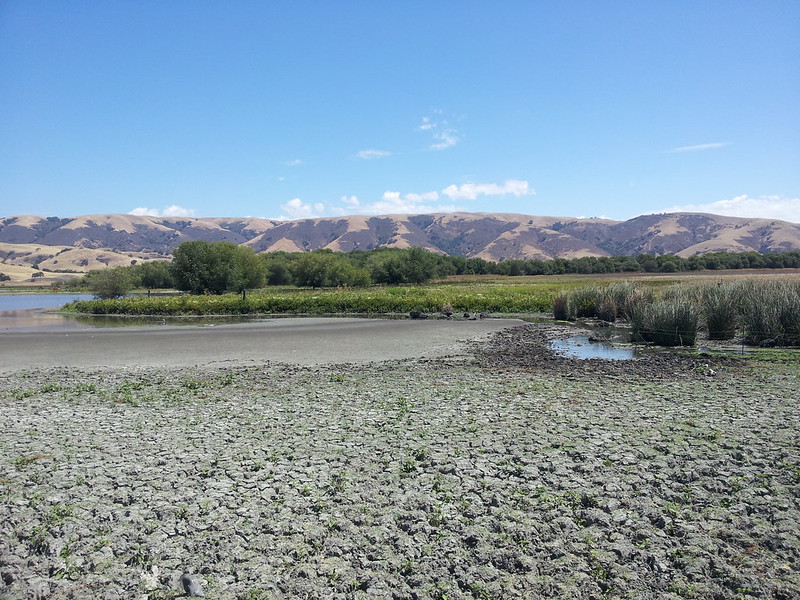
Dry lake

For my second public-facing journal roundup, I'm leading with this nice photo of a dried out lake because if you only have time to read one of these articles, it should be Brian Richter's excellent overview of how to address water scarcity driven by irrigated agriculture. As I'm always harping about, irrigation efficiency can actually increase water consumption and worsen scarcity, and this paper has some solutions.

Skip to the end for the obligatory "one of these things is not like the other" paper on olfactory perception so you know what's going on when you're sniffing all those spring flowers.

AGRICULTURE / WATER SCARCITY / IRRIGATION:
Richter et al 2017 is a fantastic new overview (led by TNC's Brian Richter) of how to address water scarcity driven by irrigated ag (which accounts for 90% of water consumption globally). If you've been on this list for a while you've heard me harp about how making irrigation more efficient can actually lead to more water being consumed, and this paper tackles that very thorny issue (if you haven't heard about it yet, just read this paper as it covers it quite well). There are three key components to making this work: proper water budgeting, actual changes in crop water use (via one of several strategies), and being able to transfer water savings to other users or the environment (as opposed to just shifting to more water-intensive crops or expanding irrigated cropland). One key strategy they find as  reliable to reduce scarcity is changes in cropping (e.g. shift from rice to other grains, or temporary fallowing). On the policy side, critical ingredients for success are a formal water rights system (based on consumptive use rather than withdrawal volumes) that allows for trading / selling water rights, as well as capping total consumptive water use. The second page of the paper has a great story about how ag in Arizona is repeating the mistakes of indigenous people in the area who disappeared ~1450 AD when drought caused their irrigated ag to collapse. You can also see slides related to this work here: http://symposium.greenleafadvisors.net/wp-content/uploads/2017/02/NACD-Denver-Feb-2017_Richter_trimmed-and-secured.pdf

Scott et al 2014 is another paper looking at the challenges of trying to reduce water scarcity / depletion via irrigation efficiency. In addition to the well described case of efficiency inreasing total water consumption, they also describe a "scale paradox" (where water impacts are displaced in space and time), and a "sectoral paradox" (where water "saved" in agriculture is used by other sectors like urban or industrial).

Bekchanov et al 2016 is a case study of what increasing irrigation efficiency could look like in the Aral Sea basin (Central Asia). They find that it could lead to considerable economic benefits through boosting crop yields plus allowing cropland expansion and a shift to more water-intensive crops. While only 3-4% of irrigation comes from groundwater (so depletion is less of a concern), this finding still raises questions for resilience: having crops that use more water means more risk when water is scarce. To me this is a useful paper in showing the need for policy to accompany irrigation changes to reduce those risks.

Dalin et al 2017 explores the degree to which irrigation is driving the depletion of groundwater in different countries around the world, and how that depletion relates to agricultural trade. It's worth looking at Table 1 and Figures 2 and 3 which reveal interesting patterns. For example, the 42% of water depletion in the US is for exports, while in China only 1% is. One way in which this could be useful is in finding partners in advocating for better agricultural water use and accompanying policies (e.g. in addition to working with Mexico on their depletion, also pressuring US buyers of their products to advocate for reducing water depletion).


AGRICULTURE / CLIMATE CHANGE / CARBON:
Carlson et al 2016 is a nice summary of GHGs and emissions for row crops; they found 1.994 Gt CO2e / yr (although with a standard deviation of 2.172 Gt), and note that other studies range from 2.294-3.102 Gt CO2e / yr. They find that the major sources of crop emissions are methane from rice (48%), peatland drainage (32%), and nitrogen fertilizer application (20%). You can get the paper and supplementary info here: http://www.nature.com/nclimate/journal/v7/n1/full/nclimate3158.html
The full spatial dataset is available here under “Greenhouse Gas Emissions for Croplands”: http://www.earthstat.org/data-download/

I'm getting a lot of questions about the suitability of cover crops for climate mitigation / carbon sequestration lately, and Poeplau and Don 2015 is currently my favorite reference on the topic. They find that on average cover crops sequester 0.32 t C / ha /yr (=1.17 t CO2e/ha/yr), and did not find significant impacts on this from tillage, climate, or cover crop type (which is surprising).Two key notes on how to use and interpret this figure. First is that this figure is about 50% higher than a few other studies (although it's also more rigorous than them). More importantly is that this figure does NOT account for changes in nitrous oxide; so for example if adding a leguminous cover crop without reducing fertilizer, it is likely that nitrous oxide emissions would be increased (and could offset the soil carbon gains). On the other hand, in a precision ag context with regular soil testing, a nitrogen-fixing cover crop could reduce fertilizer inputs which would boost the GHG benefits. As always, the choice of cover crop and how it affects other management is key.

He et al 2016 is yet another paper challenging what we think we know about soil carbon. The authors used radiocarbon dating to find that soil carbon was often much older than most models assume them to be (thousands of years rather than hundreds). This matters because it indicates that soil carbon is likely turning over slower, and thus that soils will be slower to change in response to management practices (reducing its efficacy for climate mitigation).

I'm only including Esteves 2016 in my review to show the dangers of assuming that a published journal article can be trusted as is. Figure 6 shows that the authors consider Brazilian soy fields to act as fairly strong GHG sinks if you exclude land cover change. The way they arrive at this unusual conclusion is by treating corn grown in between no-till soy crops as a "byproduct," and then assigning credit for presumed land conversion avoided. A more appropriate approach would have been to simple show that by producing more crop on a given parcel of land, the emissions per unit of crop produced was lower. Beware of results that look too good to be true!


AGRICULTURE / OTHER:
Miguez and Bollero 2005 is a small (36 study) meta-analysis of how winter cover crops affect corn yields. Some key findings: grass cover crops did NOT affect corn yields, legume cover crops boosted yields as long as N fertilizer is <200 kg N / ha (with bigger yield gains as N fertilizer is lower, e.g. 17% boost from 100-199 kg N / ha, vs. 34% boost for <99 kg N / ha), and biculture cover crops (a mix of grass and legume crops) boosted yields especially at higher fertilization rates (presumably to compensate for the nutrients used by the cover crop). Note that some other studies have shown more mixed results for the impact of cover crops on yields, but this provides some good clues about which contexts they work well in. This study didn't look at "tillage radish" or daikon, since that was pretty uncommon a decade ago.

This is a blog rather than a paper, but it's a thought-provoking read. Essentially, the author (Claire Kremen) argues that trying to intensify agriculture to meet expected demands for food is the wrong approach. She advocates instead for a focus on reducing demand (by reducing the amount of meat produceed and consumed, better family planning to slow population growth, and sharply reducing food waste), and also advocates for the resilience benefits of more diverse agriculture. I personally have a hard time envisioning a world where we won't need to intensify agriculture to some degree, but I also think Kremen makes a compelling case for the need to also work on the demand side (which TNC currently does very little on). It's a complicated issue but a great conversation for conservationists to be having now. You can read the blog at https://thebreakthrough.org/index.php/issues/the-future-of-food/responses-food-production-and-wildlife-on-farmland/demand-side-interventions


GRAZING / CLIMATE CHANGE:
Booker et al 2013 argues that arid rangelands have limited potential for carbon sequestration, and that since most rangelands in the U.S. are arid (if they were wetter and more productive they would likely have been converted to cropland) that we should focus on preventing conversion of rangelands to other land uses (and avoiding soil erosion) rather than trying to significantly increase soil C sequestration through changes in management. One key point is that most C flux in arid rangelands is outside of the control of management, driven by weather / climate and soil type. Unlike more mesic (wetter) systems, arid rangelands typically do not have one "climax" vegetation community that can serve as a management goal; rather, they tend to have multiple possible states, with transitions among states controlled by weather patterns and soil features in addition to potentially being influenced by management. They recommend that work on shifting grazing management to improve C should be focused on more mesic / wetter rangelands that allow a wider range of management options and should respond more strongly to changes in management. There is a nice overview of specific topics related to C on rangelands including grazing management, woody shrubs, reforestation / afforestation, soil erosion, restoration, and fire. They conclude with a discussion of potential carbon policies and recommend that they a) not require short-term accounting, b) don't assume management is the primary driver of C storage, c) that they not allow sequestration to offset emissions without proof of additionality, and d) focus on conserving rangelands and restoring degraded cropland back to range.


REMOTE SENSING:
Liang et al 2016 is an attempt to estimate grassland above ground biomass using remote sensing, which highlights the challenges of doing so. They found that using a single proxy for biomass didn't work well; the best one (NDVI) only explained 46% of the variation in biomass. A model relying on several variables performs better, but even including data collected on the ground including grass cover and height it only gets to 70% of the variance (63% if the ground data is only used to train the remote sensing instead of being used directly). Some TNC colleagues and I recently ran into similar challenges when trying to do something similar in Peru (and others have hit the same issues in the US); grassland remote sensing is hard!


MISCELLANEOUS:
Remember The Nature Conservancy's 2015 goal? Dinerstein et al 2017 presents an ambitious vision for nature that goes far beyond that with a catchy slogan ("nature needs half" meaning 50% of terrestrial ecoregions should be protected, http://natureneedshalf.org), along with an assessment of progress towards that vision, and a revised set of  terrestrial ecoregions (available from http://ecoregions2017.appspot.com/). They don't get into the issue of how to manage protected areas effectively to meet conservation goals, and only briefly touch on the issue of conflicts with human needs (including indigenous communities). But one way or another, this paper is sure to prompt a lot of good discussion about conservation goals, and it's worth reading accordingly.

Spring flowers have me thinking about odors, so I was fascinated by the Keller et al 2017 paper which evaluated how different people perceive and describe 476 different molecules, and built a model to predict how a molecule would be perceived. The model did pretty well at predicting how pleasant and intense a given odor would be, but only got <50% of the descriptors right (unsurprisingly "fish" and "flower" were easy, but less narrowly defined odors like "warn" or "wood" or "musky" were harder). Honestly I find the paper to be pretty unclear, but the topic was so interesting I still enjoyed reading it, especially once I gave up on trying to decipher most of the diagrams.

For science,

Jon

p.s. what do scientists like me do for earth day? Make a soil cake, of course!

p.p.s. as a reminder, you can search all of the science articles written by TNC staff (that we know of) here http://www.conservationgateway.org/ConservationPlanning/ToolsData/sitepages/article-list.aspx 


REFERENCES:
Bekchanov M, Ringler C, Bhaduri A, Jeuland M. Optimizing irrigation efficiency improvements in the Aral Sea Basin. Water Resour Econ [Internet]. 2016;13:30–45. Available from: http://dx.doi.org/10.1016/j.wre.2015.08.003

Booker K, Huntsinger L, Bartolome JW, Sayre N, Stewart W. What can ecological science tell us about opportunities for carbon sequestration on arid rangelands in the United States? Glob Environ Chang. 2013;23: 240–251. doi:10.1016/j.gloenvcha.2012.10.001

Carlson KM, Gerber JS, Mueller ND, Herrero M, MacDonald GK, Brauman KA, et al. Greenhouse gas emissions intensity of global croplands. Nat Clim Chang [Internet]. 2016;1(November). Available from: http://www.nature.com/doifinder/10.1038/nclimate3158

Dalin C, Wada Y, Kastner T, Puma MJ. Groundwater depletion embedded in international food trade. Nature [Internet]. 2017;543(7647):700–4. Available from: http://dx.doi.org/10.1038/nature21403

Dinerstein E, Olson D, Joshi A, Vynne C, Burgess ND, Wikramanayake E, et al. An Ecoregion-Based Approach to Protecting Half the Terrestrial Realm. Bioscience [Internet]. 2017;(April). Available from: https://academic.oup.com/bioscience/article-lookup/doi/10.1093/biosci/bix014

Esteves VPP, Esteves EMM, Bungenstab DJ, Loebmann DG dos SW, de Castro Victoria D, Vicente LE, et al. Land use change (LUC) analysis and life cycle assessment (LCA) of Brazilian soybean biodiesel. Clean Technol Environ Policy. 2016;18(6):1655–73. 

He Y, Trumbore SE, Torn MS, Harden JW, Vaughn LJS, Allison SD, et al. Radiocarbon constraints imply reduced carbon uptake by soils during the 21st century. Science (80- ) [Internet]. 2016;353(6306):1419–24. Available from: http://www.sciencemag.org/cgi/doi/10.1126/science.aad4273

Keller A, Gerkin RC, Guan Y, Dhurandhar A, Turu G, Szalai B, et al. Predicting human olfactory perception from chemical features of odor molecules. Science (80- ). 2017;355(February):820–6. 

Liang T, Yang S, Feng Q, Liu B, Zhang R, Huang X, et al. Multi-factor modeling of above-ground biomass in alpine grassland: A case study in the Three-River Headwaters Region, China. Remote Sens Environ [Internet]. 2016;186(August):164–72. Available from: http://linkinghub.elsevier.com/retrieve/pii/S0034425716303170

Miguez FE, Bollero GA. Review of corn yield response under winter cover cropping systems using meta-analytic methods. Crop Sci. 2005;45(6):2318–29. 

Poeplau C, Don A. Carbon sequestration in agricultural soils via cultivation of cover crops - A meta-analysis. Agric Ecosyst Environ [Internet]. 2015;200:33–41. Available from: http://dx.doi.org/10.1016/j.agee.2014.10.024

Richter BD, Brown JD, DiBenedetto R, Gorsky A, Keenan E, Madray C, et al. Water Policy Opportunities for Saving and Reallocating Agricultural Water to Alleviate Water Scarcity. Water Policy. 2017;19. Available: http://wp.iwaponline.com/content/early/2017/04/05/wp.2017.143

Scott CA, Vicuña S, Blanco-Gutiérrez I, Meza F, Varela-Ortega C. Irrigation efficiency and water-policy implications for river basin resilience. Hydrol Earth Syst Sci. 2014;18: 1339–1348. doi:10.5194/hess-18-1339-2014

Saturday, April 1, 2017

April Journal Article Summary

This review is extra-large since I spent an unusual amount of time on planes reading these articles and awkwardly typing up notes with my arms in the T-rex position while wedged between other passengers. Feeling like you don't want to spend time reading all this science when it's so lovely outside? I've included blog links for three of the papers below so that you can read a bit more without having to wade through the full text.

GENERAL:
Do you like being surprised, and finding out that things that "everybody knows" aren't necessarily true? If so, check out the abstracts for each of the 28 chapters in an upcoming book called Effective Conservation Science: Data Not Dogma (I have them in the same Box folder as the articles) which should be out this fall. Six of the chapters feature TNC authors (including myself), not counting the many ex-TNC staff and current TNC partners. The theme for the whole book is stories of ideas widely accepted as true being discovered to be flawed, and how we respond to this challenging new information. Let me know if you'd like a copy of my chapter.

There has been some debate about the upcoming March for Science, and whether scientists engaging in advocacy (whether generally in support of science and data, or specifically advocating for policies) could harm our credibility and increase polarization. Here is one data point from Kotcher et al finding that advocacy does NOT harm that credibility. They asked about 1,200 people to read a biography of a fictional scientist, then read one of six statements which had been tailored along a continuum of just presenting facts to a strong policy recommendation, then to rate his credibility (and several other variables). The degree of advocacy did not impact how trusted the scientist was (except when he made a recommendation to build more nuclear power plants), implying that advocacy scientists does not necessarily mean they will not be seen as credible. So if you are so inclined, march for science bolstered by data that you're unlikely to make things worse (as some have worried about). There is a blog on this paper here: https://www.washingtonpost.com/news/energy-environment/wp/2017/02/27/scientists-have-long-been-afraid-of-advocacy-a-new-study-says-it-may-not-hurt-them/


SOIL &/OR CLIMATE:
A new paper by TNC's Marissa Ahlering and Joe Fargione looks at the impact of preserving vs. converting rangelands (grasslands primarily used for grazing cattle, and relatively unmanaged compared to pasture which can be irrigated & fertilized). They found that at a site level in addition to obvious habitat benefits of rangelands that there are also carbon benefits; even accounting for the emissions from the cattle being grazed the rangelands still on net offer GHG benefits compared to converting the rangelands to crop. This is a great way to bolster the case for protecting rangelands that are providing good habitat. Note that it is NOT saying that all beef production is a GHG sink. Clearing forests for pasture would still entail heavy GHG emissions, and they also didn't look at the full life cycle of the cattle (in other words, the rangelands were a carbon sink, but after they finish grazing the cattle go to feedlots where there are additional emissions from enteric methane / manure / feed production). So the total GHG impact of beef vs. other crops is still complicated, but this is an important contribution to make a stronger case for protecting existing rangelands. Check out Marissa’s blog on the paper if you don't want to read the whole thing: http://blog.nature.org/science/2017/01/17/can-grasslands-ecosystem-underdog-play-underground-role-climate-solutions/

There are several ways in which climate change may reinforce itself via positive feedback (e.g., melting ice reducing how much sunlight is reflected, leading to more warming), and Bradford et al 2016 argue that accelerated loss of soil carbon resulting from global warming is only supported by limited evidence. They point out that there are few observations of soil C stocks decreasing due to warming and the rapid shift in how soil science characterizes soil C stability and turnover. They lay out several ideas for how future research can increase our ability to understand and model soil C changes due to climate change.

Soti et al 2016 looks at how different cover crops affect mycorrhizae (symbiotic soil fungi which crops like peppers and corn depend on) and soil quality on organic farms in the Lower Rio Grande Valley in Texas. They found cover crops boosted mycorrhizal spores, soil organic matter, and several nutrients. Different cover crops had different effects, with no clear winner or loser across all metrics. If applying this look carefully at Table 2 as the text doesn't always make clear which cover crops performed better than the control plot.

Teasdale et al 2007 compared soil quality and crop yield of organic farming and 3 variations of no-till (which used herbicide and conventional fertilizer). Essentially they found that the organic system (and even the "living mulch" no-till system with reduced herbicide and fertilizer use) suffered yield losses from weeds that got worse over time, even though soil carbon and N were significantly higher in the organic system. Interestingly, the fields that had the highest yields used conventional no-till practices on soils with a 9-year history of either organic or "living mulch" production; these fields had accrued soil benefits but were effectively controlling weeds with herbicide that reduced competition. I love that this study both shows the yield benefits of soil health, but also shows that those benefits can be counteracted by other factors (insufficient weed control).

Navarrete et al 2016 is complicated but potentially important: they look at how conversion in the Colombian Amazon impacts soil carbon, and found that it can either decrease or increase depending on management (although the paper isn't well controlled, there are several confounding variables and they make stocking density binary rather than continuous). Lots of caveats here to the potential increase (forest biomass is still lost), so this is more about how we can perhaps limit the GHG impact of pasture (not saying conversion to pasture can be good for GHGs). Essentially they found pastures averaging ~3 head per ha lost 20% of soil C in 20 years, while pastures with ~0.1 head/ha gained 40%. This is worth reading for people working in the region, as the mechanisms driving the different soil outcomes look to me like they could be modified to get higher intensity grazing with significantly less soil C losses. Even if not, on net the higher intensity grazing would still represent a net GHG benefit if it leads to less conversion.

Kopittke et al 2016 is a rough global summary of how soil C (plus N,P, & S) change (per unit of soil mass) over the long term with conversion of natural land cover (e.g. forests, grasslands, etc.) to either cropland or pasture. The findings aren't surprising (there's more loss when converting to crop than to pasture) but it's still useful to have the comparison with the caveat that the median sampling depth was only 20 cm (mean 26 cm). This limits the utility of their estimates in how changing cropping (conventional vs no-till vs organic amendment) impacted soil C.

Hijbeek et al 2016 is a metaanalysis showing that organic inputs (e.g. straw, manue) in most cases does not boost crop yield significantly if nutrients are not a limiting factor. Some exceptions: roots / tubers, wet climates, sandy soils, and potentially very dry climates show yield benefits from organic inputs. They also note how high the variance is, concluding that organic inputs or SOM alone are not sufficient to predict yields.

Finally, this is more of an editorial than a journal article, but this piece by Jess Davies in Nature calls for businesses to engage more around soils (largely absent from corporate sustainability goals and reporting), in partnership with scientists. There are lots of puns and zinger quotes about dirt too: http://www.nature.com/news/the-business-case-for-soil-1.21623

BIODIVERSITY:
Levis et al 2017 presents evidence that forests have been managed by native people in the Amazon for a very long time. Specifically, domesticated tree species are quite a bit more common near to archaeological sites and rivers (argued to be a good proxy for the location of pre-Colombian settlements) in most of the Amazon. It thus challenges the notion of the Amazon as a "virgin" forest that hasn't been impacted by humans until recently. There's a blog about this here if you want to know more but don't want to read the paper: https://phys.org/news/2017-03-ancient-peoples-amazon-rainforest.html#ms


REMOTE SENSING:
Ceccato 2005 is about using remote sensing to detect desert locust outbreaks early enough to prevent them from growing into a full scale plague. However, the more broadly applicable and interesting aspect of this paper is the fact that NDVI (a commonly used index of "greenness" often used as a proxy for vegetation) can be the same for bare ground and sparse vegetation (see Figure 2). In this paper they added a shortwave infrared band, but in other papers the author has transformed the RGB color index into HSV, as soils and sparse vegetation typically have a different hue (brown-red-black vs green).

Olsen et al 2015 is a paper using remote sensing (MODIS) to estimate grassland biomass under three different grazing treatments (ungrazed, controlled / rotational, and uncontrolled / continuous). They found that metrics based on NDVI correlated fairly well with end of season standing biomass overall, BUT the best metric was still unable to distinguish real biomass differences between treatments. The biomass of the ungrazed plots was almost double that of the grazed ones, but the NDVI only varied by a few %. This shows the current limits of using remote sensing to detect relati


AGRICULTURE:
Mango et al 2017 is an analysis of how conservation ag (reduced tillage, crop rotations, and cover crops) impacted food security (measured via food consumption score, which reflects both quantity and quality) of 1600 smallholder farmers in southern Africa. They found that while it slightly improved food security in Mozambique (with a marginally statistically significant effect of p=0.09), it had no significant effect in Malawi or Zimbabwe. The authors best guess is that in Mozambique conservation ag is often promoted along with other BMPs like improved seeds and timely weeding (which is especially critical when using conservation ag). Interestingly, in both Malawi and Mozambique both groups of farmers (using conservation ag or not) were in the "acceptable" range of food consumption. This paper shows the challenge in assuming that conservation ag will necessarily lead to positive human outcomes without careful design.

Horowitz et al 2016 is an analysis of reactive nitrogen (any N other than N2) flows in Central California, using multiple metrics (e.g. mass flows, damages, and abatement costs) to investigate how to reduce damages at the lowest costs. Surprisingly, while agriculture is the dominant source of nitrogen, the authors find that reducing NOx from cars and trucks would be the most cost-effective solution. This is a result of the human health impacts of poor air quality having much higher dollar values associated with them, as well as it being relatively easier to abate those emissions. The thing I find most interesting in this paper is thinking about how changing your metric (e.g. damages, abatement costs, ROIs, etc) can shift your focus; using this multiple metrics approach you could consider the multiple axes to determine which solutions are preferable.


WATER:
You're probably aware that a key part of the pitch for water funds is how changing land use affects water quality. McDonald et al 2016 is a nice TNC-led analysis quantitatively showing how much water quality in urban watersheds has been degraded by human activity (e.g., conversion of natural areas to urban and agricultural), and how that has impacted the costs of treating water for human consumption (they found 29% of large cities have had water treatment costs significantly increased [~50%] by watershed degradation).

DiMuro et al 2014 is a paper by Dow staff comparing a "gray vs green" infrastructure decision for water treatment, specifically looking at a wetland Dow constructed in 1995 (instead of building a conventional reactor). The authors conclude that over the life of the project the wetland will save ~$125 million in 2012 dollars (and accounting for interest, tax, insurance, depreciation, and other factors they put the net present value at $282 million), making it a "big win" for both Dow and the environment (as there were several co-benefits). They conclude with some of the trade-offs between green vs gray solutions like this, and how companies can approach these decisions.


SOCIAL SCIENCE:
Curtis and Slocum 2016 lays out a framework for improving the design of green certification of resorts using behavioral economics, given that current certification efforts have not been successful in achieving substantial reductions in food waste. I found the last two pages particularly useful, where the author make suggestions on how companies can influence their employees and customers in support of their sustainability goals.


Jon

p.s. as a reminder, you can search all of the science articles written by TNC staff (that we know of) here http://www.conservationgateway.org/ConservationPlanning/ToolsData/sitepages/article-list.aspx  

REFERENCES:
Ahlering M, Fargione J, Parton W. Potential carbon dioxide emission reductions from avoided grassland conversion in the northern Great Plains. Ecosphere. 2016;7: e01625. doi:10.1002/ecs2.1625

Bradford MA, Wieder WR, Bonan GB, Fierer, N. Raymond PA, Crowther TW. Managing uncertainty in soil carbon feedbacks to climate change. Nat Clim Chang. Nature Publishing Group; 2016;6: 751–758. doi:10.1038/nclimate3071

Ceccato P. Operational Early Warning System Using Spot- Vegetation and Terra-Modis To Predict Desert Locust Outbreaks. Proc 2nd Int Veg User Conf. 2005; 33–41. 

Curtis KR, Slocu SL. The Role of Sustainability Certification Programs in Reducing Food Waste in Tourism. In: Journal of Developments in Sustainable Agriculture [Internet]. 2016 pp. 1–7. Available: https://www.jstage.jst.go.jp/article/jdsa/11/1/11_1/_article

Davies J. The business case for soil. Nature. 2017;543: 309–311. Available: http://www.nature.com/news/the-business-case-for-soil-1.21623

Dimuro JL, Guertin FM, Helling RK, Perkins JL, Romer S. A financial and environmental analysis of constructed wetlands for industrial wastewater treatment. J Ind Ecol. 2014;18: 631–640. doi:10.1111/jiec.12129

Hijbeek R, van Ittersum MK, ten Berge HFM, Gort G, Spiegel H, Whitmore AP. Do organic inputs matter – a meta-analysis of additional yield effects for arable crops in Europe. Plant Soil. Plant and Soil; 2016; doi:10.1007/s11104-016-3031-x

Horowitz AI, Moomaw WR, Liptzin D, Gramig BM, Reeling C. A multiple metrics approach to prioritizing strategies for measuring and managing reactive nitrogen in the San Joaquin Valley of California. Environ Res Lett. IOP Publishing; 11: 1–10. doi:10.1088/1748-9326/11/6/064011

Kopittke PM, Dalal RC, Finn D, Menzies NW. Global changes in soil stocks of carbon, nitrogen, phosphorus, and sulfur as influenced by long-term agricultural production. Glob Chang Biol. 2016; doi:10.1111/gcb.13513

Kotcher JE, Myers TA, Vraga EK, Stenhouse N, Maibach EW. Does Engagement in Advocacy Hurt the Credibility of Scientists? Results from a Randomized National Survey Experiment. Environ Commun. Taylor & Francis; 2017;0: 1–15. doi:10.1080/17524032.2016.1275736

Levis C, Costa FRC, Bongers F, Peña-Claros M, Clement CR, Junqueira AB, et al. Persistent effects of pre-Columbian plant domestication on Amazonian forest composition. Science (80- ). 2017;355: 925–931. doi:10.1126/science.aal0157

Mango N, Siziba S, Makate C. The impact of adoption of conservation agriculture on smallholder farmers’ food security in semi-arid zones of southern Africa. Agric Food Secur. BioMed Central; 2017;6: 32. doi:10.1186/s40066-017-0109-5

McDonald RI, Weber KF, Padowski J, Boucher T, Shemie D. Estimating watershed degradation over the last century and its impact on water-treatment costs for the world’s large cities. Proc Natl Acad Sci. 2016; 201605354. doi:10.1073/pnas.1605354113

Navarrete D, Sitch S, Aragão LEOC, Pedroni L. Conversion from forests to pastures in the Colombian Amazon leads to differences in dead wood dynamics depending on land management practices. Glob Chang Biol. 2016;22: 3503–3517. doi:10.1111/gcb.13266

Olsen JL, Miehe S, Ceccato P, Fensholt R. Does EO NDVI seasonal metrics capture variations in species composition and biomass due to grazing in semi-arid grassland savannas? Biogeosciences. 2015;12: 4407–4419. doi:10.5194/bg-12-4407-2015

Soti PG, Rugg S, Racelis A. Potential of Cover Crops in Promoting Mycorrhizal Diversity and Soil Quality in Organic Farms. J Agric Sci. 2016;8: 42. doi:10.5539/jas.v8n8p42

Teasdale JR, Coffman CB, Mangum RW. Potential long-term benefits of no-tillage and organic cropping systems for grain production and soil improvement. Agron J. 2007;99: 1297–1305. doi:10.2134/agronj2006.0362

Tuesday, March 28, 2017

Monthly Journal Article Summaries (coming soon)

For the last several years, I've sent monthly summaries of the journal articles I've read that I found useful enough to be worth passing on to a handful of colleagues. I've been reluctant to make those public to avoid having to worry about whether I'm being diplomatic / fair enough in characterizing them, but I've decided to just go for it. Let me know if you have any thoughts or reactions in the comments.

I usually send these out around the first of each month, but here's one from last year that includes one of my favorite papers of 2016:

Social Science:
If you ever play a role in hiring new staff, please read this article (if not the paper it's based on, Kang et al 2016), and even if you never hire people, I'd still encourage you to read it:
I guarantee you will find it fascinating, and hopefully useful as well (the full paper is also a page-turner; well written, a great experimental design, and full of surprises to me as a white male). Essentially the authors found that statements by employers encouraging diversity in applicants to a job harms minorities. The reason is that some minorities "whiten" their resume to make it less apparant that they are a minority, which in turn increases their chances of proceeding to an interview (e.g. they found a fictious black candidate was 2.5 times as likely to be invited to proceed to an actual interview if they whitened both their name and experience than if they applied with an unwhitened resume). Statements encouraging diversity led applicants to not whiten their resumes, but by encouraging them not to hide their identity, less minorities get hired. It's kind of a complex 3-part study but it's really clear if you put in the time to read it. The lead author helpfully sent me several suggestions of what we can do to improve in hiring, from blind initial screenings (removing names to reduce cues about gender and ethnicity), to education on unconscious bias, and many more. I've put these below as a p.s.

Kowalski and Jenkins 2015 is a nice paper emphasizing that having a clearly defined leadership structure is more important to make collaborative groups function well than having good connections between all of the members. In other words, having someone to coordinate and make it clear what everyone's role is was found to be more important than a more egalitarian (but unclear) setup. However, this paper is based on a very small sample so I wouldn't consider it definitive.


Agriculture:
Kniss et al 2016 is a nice overview of some of the trade-offs between organic and conventional agriculture. They find a consistent 20% yield gap for organic, but argue since that higher yields only lead to less farmland area (and presumably more habitat) in certain circumstances, this may be worthwhile given the other benefits. You can read a summary of the paper here:

Baur et al 2016 is the latest from TNC California and their partners about specialty crop farmers (fruits, vegetables, and nuts) that are being pushed to clear habitat around their farms (due to concerns about E Coli which have been proved to be unfounded). In addition to summarizing the earlier findings from this research, they conducted a detailed survey showing how much variation there is in implementing food safety practices, as well as perceptions of farmers about those practices. Pressure from auditors and food buyers may be responsible; they call for clearer guidelines that allow for some flexibility in improving food safety.

Ryals et al 2016 found that a single application of compost (which breaks down more slowly than inorganic fertilizer) to rangelands boosted grassland productivity (more food for cattle), grass N content (more nutritious grass), and didn't impact invasive species. However, one of their two sites showed a decline in native species and the other showed mixed results on natives. Sometimes fertilization is proposed as a way to increase carbon sequestration, although it has to be done carefully to avoid nitrous oxide emissions from the fertilizer and from manure which can counteract the gains in C (and this paper doesn't account for that).

Baidoo et al 2016 is not very well written or clear, but it does show that botanical insecticides (garlic and hot pepper) are viable forms of pest control for cabbage. Essentially while they did not kill as many pests as a synthetic insecticide, they also were much lower cost, didn't kill as many natural enemies of the pests, and were less persistent in the environment. The authors actually found a better benefit:cost ratio for the botanical controls than the synthetic one, even without price premiums for organic pest control.

Jon

p.s. Here are the suggestions from Dr. Kang about how to improve diversity when hiring:
"Initial blind screening (replacing names from resumes and letters with random IDs) is an excellent way to start. Another great step is to start educating people about unconscious bias. Making people aware of these biases and how they might affect the hiring process is a critical step.


Other things you can try are diversifying the search committee, emphasizing the goal of a fair process (people sometimes get defensive about diversity because they think that it antithetical to a search for excellence - reassure people that excellent people will still rise to the top in a fair search), spend sufficient time and attention evaluating everyone on the short list/those that come in for an interview (we are more likely to fall back on stereotypes and prejudices when we are under time pressure), base decisions on concrete information in the application package (this means that discussions of fit have to be grounded in the application not based on peripheral concerns), create very clear criteria for evaluation and don't discuss anything outside of this list, and make sure any criteria/question applied to one candidate is applied to every candidate."

References:

Kang SK, DeCelles KA, Tilcsik A, Jun S. Whitened resumes: Race and self-presentation in the labor market. Adm Sci Q. 2016; doi:10.1177/0001839216639577

Kowalski AA, Jenkins LD. The role of bridging organizations in environmental management : examining social networks in working groups. Ecol Soc. 2015;20: 16. doi:10.5751/ES-07541-200216

Kniss AR, Savage SD, Jabbour R. Commercial Crop Yields Reveal Strengths and Weaknesses for Organic Agriculture in the United States. 2016; 1–16. doi:10.1371/journal.pone.0161673

Baur P, Driscoll L, Gennet S, Karp DS. Inconsistent food safety pressures complicate environmental conservation for California produce growers. Calif Agric. 2016;70: 142–151. Available: http://calag.ucanr.edu/archive/?article=ca.2016a0006

Ryals R, Eviner VT, Suding KN, Silver WL. Grassland compost amendments increase plant production without changing plant communities production without changing plant communities. Ecosphere. 2016;7. doi:10.1002/ecs2.1270

Baidoo PK, Mochiah MB. Comparing the Effectiveness of Garlic (Allium sativum L.) and Hot Pepper (Capsicum frutescens L.) in the Management of the Major Pests of Cabbage Brassica oleracea (L.). Sustain Agric Res. 2016;5: 83. doi:10.5539/sar.v5n2p83