Showing posts with label wildlife. Show all posts

Wednesday, July 1, 2026

July 2026 science summary

Coral reef panorama at Panometer Dresden

Hello,


I've only got one paper this week looking at how wildlife movement is affected by the presence of people. But as a bonus, as a way to probe at papers you don't have time to read (and that I haven't reviewed), here's a prompt you can try in your AI tool of choice to find interesting aspects beyond the abstract:
"What are 1-3 key points or aspects of this paper that are not included in the abstract, and might be important but not obvious to someone quickly reading the paper? This could include a key result, an implication of the results, a major limitation in how applicable the results are, etc."

Note that different tools pick different aspects, and the summaries I write are still a little different (I try to include more key results for example). I'm only using these AI tools as a check AFTER I finish reading a paper to see if I missed anything important but not bias my readthrough, but it's not bad for papers you won't otherwise read. 

If you know someone who wants to sign up to receive these summaries, they can do so at http://subscribe.sciencejon.com (no need to email me). But Mailerlite just changed their billing structure so I will be periodically removing people who never open these to try and save $.

Here's the study, and the points three different tools picked up on.

WILDLIFE RESPONSE TO PEOPLE:

Oliver et al. 2026 is a nice study looking at how 37 species of large birds and mammals change where they move (measured via GPS collars) in response to human presence (measured via mobile device traffic in 2019 and 2020; typically unavailable but shared during COVID-19). 2/3 of species were affected by people, typically moving less (but with some showing the opposite effect like gray wolves). Most of those species had a stronger response to people in areas w/ less human modification (presumably they were less acclimated to people). So they conclude we need to consider both typical human presence and actual human presence in understanding how wildlife responds. They also note some changes might be beneficial, e.g., for species that eat food from people (like ravens and coyotes).

KEY POINTS FROM AI:

I dramatically shortened the response from each AI tool, keeping just the high level points so you can see the similarities and differences:

ELICIT:
1. The study was only possible b/c high-resolution cell phone data was shared w/ researchers during COVID-19
2. Animals too small to wear a GPS collar were excluded.
3. They couldn't say if animals were helped or harmed by the movement change

COPILOT USING CHATGPT:

1. Most animals moved in smaller areas but some expanded their range under the same pressures.
2. They couldn't say if animals were helped or harmed by the movement change
3. COVID-19 shifted human presence independent of land use, letting them disentangle the two effects.
It snuck in a bonus 4th point: Animals too small to wear a GPS collar were excluded, biasing findings towards bigger spp. tolerant of tagging.

CLAUDE OPUS 4.6:

1. Wilder places are more sensitive to transient human presence.
2. Human activity can produce opposite effects, e.g. coyote range contracted (to avoid being shot/trapped) but raven range expanded (to exploit new food sources).
3. COVID-19 shifted human presence independent of land use, letting them disentangle the two effects.

JF NOTE
: The paper text is not clear on this point, but on Copilot's 1st point and Claude's 2nd, from Fig 2A they are referring to the effect of landscape modification, NOT actual human presence. That's an important difference that neither AI tool picked up on b/c the paper's text was ambiguous.


REFERENCES:
Oliver, R. Y., Yanco, S. W., Ellis-Soto, D., Jesmer, B. R., Cohen, J., Gao, S., Patchett, R., Avgar, T., Bildstein, K., Bakner, N. W., Barber, D., Barker, K., Barnes, J. G., Bastille-Rousseau, G., Belant, J. L., Benson, J. F., Bêty, J., Beyer, D. E., Bird, D., … Jetz, W. (2026). Interacting effects of human presence and landscape modification on birds and mammals. Science, 392(6800), 879–884. https://doi.org/10.1126/science.adq3396

Sincerely,

Jon


P.s. This picture is from a panoramic coral reef exhibit at the Panometer in Dresden

Thursday, May 1, 2025

May 2025 science summary

Sea lion yawning in Valdivia


Merry May,

This month I've got four articles on freshwater, plus one on whether climate mitigation can be harmful to wildlife if done wrong (spoiler: yup).

If you know someone who wants to sign up to receive these summaries, they can do so at http://bit.ly/sciencejon (no need to email me).

FRESHWATER:
Petry et al. 2025 has predictions of changing streamflow and flooding across South America by 2100 under a moderate climate change scenario. Figure 4 has the key findings about how much more or less frequent floods may be. Note that “RP” means “return period” as in a “5 year flood” or “100 year flood” (the magnitude of flooding you’d expect on that frequency / rarity, so higher numbers mean more severe flooding). RPCF means how much more or less frequent those floods would be (with negative sign indicating less frequent flooding, e.g. the -2 on the Paraguay river in the Pantanal means half as often). But much more flooding is expected in Peru, Ecuador, Colombia, and Southern Brazil, and parts of the Amazon will see 1/10 as much flooding as they historically have. They find Pantanal floods (in the Paraguay River and some tributaries like Cuiaba and Negro) will be roughly half as frequent and half as severe, they don’t have a clear trend in the Chaco, and in Chile the area from roughly Santiago to Valdivia has some rivers where flooding will be ~2-3 times less frequent while the northern part of Chile will only see slightly less flooding.

Lehner et al. 2024 is a summary of a new "Global Dam Watch (GDW)" open dataset of 41,000 river barriers and 35,000 reservoirs (see Fig 1 for a map). While national and regional datasets are more complete (e.g., NID has 90k points in the US, AMBER has 630k in Europe), this is the most comprehensive free global dataset (see Table 2) and it includes estimated reservoir volumes mostly for reservoirs >10 km2.

Cho et al. 2023 did a ton of modeling (Fig 7) to estimate how conservation (mostly reforestation along streams) could have affected the water supply of São Paulo. They found the increased habitat could serve as an "invisible reservoir" for water in soil, and in a highly idealized scenario (lots of new forest in all the right places among others) streamflow could be boosted by 33% (and drought costs reduced by 28%). They don't report numeric results for their less ideal scenarios, and all scenarios exclude the water consumption of growing trees. In a conversation with one of the study's authors, they mentioned that it likely took about 30 years (I think) for the "water savings" of nature (fog capture plus slowing down runoff during high rain events) to outweigh the water consumption of growing trees. In other words, in this case in the short term adding trees could result in lower streamflow even though in the long run it would increase streamflow. Understanding the timeline and tradeoffs is key so people who live there know what to expect. From chatting w/ other hydrologists about this, it's clear that results like this vary a lot depending on things like soil type, weather and climate, type of forest, and much more. There's an article about this one at https://www.nature.org/en-us/about-us/where-we-work/latin-america/brazil/stories-in-brazil/invisible-reservoir/

Pompeu 2025 quantitatively models how different drivers have impacted total water surface area (as a decent proxy for total flow / water quantity) in the Pantanal. The paper found the biggest driver of water level was 1) the presence or absence of having natural vegetation at least 50m around springs, followed by 2) natural veg riparian buffers along rivers (buffer width increasing w/ river width as per the Forest Code), followed by 3) replacing conventional monoculture ag w/ something w/ deeper root systems (agroforestry, permaculture, full restoration if feasible, etc.), followed by 4) preventing more dams.


CLIMATE MITIGATION AND WILDLIFE:
Smith et al. 2025 asks what the net impact of climate mitigation on land (including bioenergy crops, reforestation, and afforestation) is on the total habitat area for 14,000 vertebrate species. Fig 1 summarizes the idea well - climate change can reduce suitable habitat, but climate mitigation can also either add or remove habitat directly. Fig 4 has their global recommendations - basically leave most ecosystems alone, reforest several areas (SE Asia, Eastern US, Mexico, and much of Europe) and in a few tiny places grow bioenergy crops. In other words, typically planting trees on grasslands or other habitat types destroys more habitat than it saves through climate mitigation. But planting trees in cleared forests is a win-win.


REFERENCES:
Cho, S. J., Klemz, C., Barreto, S., Raepple, J., Bracale, H., Acosta, E. A., Rogéliz-Prada, C. A., & Ciasca, B. S. (2023). Collaborative Watershed Modeling as Stakeholder Engagement Tool for Science-Based Water Policy Assessment in São Paulo, Brazil. Water, 15(3), 401. https://doi.org/10.3390/w15030401

Lehner, B., Beames, P., Mulligan, M., Zarfl, C., De Felice, L., van Soesbergen, A., Thieme, M., Garcia de Leaniz, C., Anand, M., Belletti, B., Brauman, K. A., Januchowski-Hartley, S. R., Lyon, K., Mandle, L., Mazany-Wright, N., Messager, M. L., Pavelsky, T., Pekel, J.-F., Wang, J., … Higgins, J. (2024). The Global Dam Watch database of river barrier and reservoir information for large-scale applications. Scientific Data, 11(1), 1069. https://doi.org/10.1038/s41597-024-03752-9

Petry, I., Miranda, P. T., Paiva, R. C. D., Collischonn, W., Fan, F. M., Fagundes, H. O., Araujo, A. A., & Souza, S. (2025). Changes in Flood Magnitude and Frequency Projected for Vulnerable Regions and Major Wetlands of South America. Geophysical Research Letters, 52(5). https://doi.org/10.1029/2024GL112436

Pompeu, J. (2025). Cross-Boundary Drivers of Water Cover Reduction in the Pantanal Wetland and Implications for its Conservation. Wetlands, 45(3), 32. https://doi.org/10.1007/s13157-025-01916-w

Smith, J. R., Beaury, E. M., Cook-Patton, S. C., & Levine, J. M. (2025). Variable impacts of land-based climate mitigation on habitat area for vertebrate diversity. Science, 387(6732), 420–425. https://doi.org/10.1126/science.adm9485


Sincerely,
 
Jon

p.s. This is a sea lion lazing about in Valdivia who happened to yawn as I was watching them.

Monday, March 3, 2025

March 2025 science summary

Whitewater rafting in Futalefeú

Greetings,


Work has been pretty hectic so I've been reading less public science papers lately but have two good ones to share on "old and wise animals" and freshwater prioritization.

Like many others, I've also been struggling with the chaos and hurtful policy and people suffering from the recent political changes in the US.

I don't have answers, but have been finding that connection, community, being vulnerable, and supporting each other is helpful. As is finding joy wherever we can. In that spirit, here's a video of a song my chorus sang last December where I had a solo - I find it painful to watch all the mistakes but it was a joy to sing in the real world, and hope it may distract a few of you from everything going on in the world for a moment or two.

I've also found this document of things to say and not say to someone grieving can still be helpful in comforting people going through other tough situations. The main point is to resist the impulse to cheer them up and instead validate their feelings and be willing to just sit with the discomfort.

If you know someone who wants to sign up to receive these summaries, they can do so at http://bit.ly/sciencejon (no need to email me).


WILDLIFE:
Kopf et al 2024 really made me think. They summarize some of the important contributions of old (and often "wise"!) animals, and proposes "longevity conservation" as a strategy to retain them. Old animals are especially important for species who rely on cultural transmission (like migratory species) and those who reproduce more as they age and grow, and the article goes into detail with examples of both. The article also covers some of the impacts of losing large and old animals, like changing ecosystem structure and function, pack instability, and even infanticide. The ability of older animals to help their group adapt to drought or food shortages maybe increasingly important as climate changes (although the individual resilience of older animals is likely to lower to some stresses like disease). With trophy hunting and fishing selecting for larger (typically older) animals, they argue for the importance of better population modeling, setting age class targets for fisheries, restricting hunting of larger and older animals, and going beyond tracking biomass or abundance to watch for "longevity depletion."


FRESHWATER:
Sayer et al. 2025's headline is that 1/4 of freshwater animals are threatened with extinction. But that's similar to other estimates; to me the new thing here is guidance on how to prioritize sites to conserve with limited data. They found that 1) prioritizing with just threatened freshwater tetrapod data (animals with four legs like some amphibians, reptiles, birds, and mammals) does well for overall freshwater biodiversity (range-size rarity) but 2) prioritizing on abiotic factors alone (low flow / water stress, nitrogen as a proxy for water pollution) does worse than random! Also from Fig 2b permanent rivers are home to almost all of the threatened FW species, while species in other fresh wetlands fare much better.


REFERENCES:
Kopf, R. K., Banks, S., Brent, L. J. N., Humphries, P., Jolly, C. J., Lee, P. C., Luiz, O. J., Nimmo, D., & Winemiller, K. O. (2024). Loss of Earth’s old, wise, and large animals. Science, 2705, 1–19. https://doi.org/10.1126/science.ado2705

Sayer, C. A., Fernando, E., Jimenez, R. R., Macfarlane, N. B. W., Rapacciuolo, G., Böhm, M., Brooks, T. M., Contreras-MacBeath, T., Cox, N. A., Harrison, I., Hoffmann, M., Jenkins, R., Smith, K. G., Vié, J.-C., Abbott, J. C., Allen, D. J., Allen, G. R., Barrios, V., Boudot, J.-P., … Darwall, W. R. T. (2025). One-quarter of freshwater fauna threatened with extinction. Nature, 3(December 2023). https://doi.org/10.1038/s41586-024-08375-z


Sincerely,
 
Jon
 
p.s. This is a photo of a whitewater rafting trip in Chile w/ colleagues. It was beautiful and a great time albeit painful as my knee is still healing (hence the grimace)!

Monday, December 2, 2024

December 2024 science summary

Buddy's house without roof or back

Congratulations,

If you're reading this you made it to December! I've got four unrelated reviews this month; the first is a new paper about wildlife road crossings to promote climate adaptation (I'm a minor author).

Also - this is a great piece on how to get better at using AI: https://www.oneusefulthing.org/p/getting-started-with-ai-good-enough The short version is: don't treat AI like a search engine! Give it more context and instructions and let it figure out precisely what you want through iteration. The author says it probably takes ~10 hrs of experimentation to get good enough at using AI for it to be working well.

If you know someone who wants to sign up to receive these summaries, they can do so at http://bit.ly/sciencejon (no need to email me).


WILDLIFE CONNECTIVITY & CLIMATE ADAPTATION:
Littlefield et al. 2024 (I'm a minor author) examines how wildlife road crossings can be beneficial to help species adapt to climate change. We recommend that when siting crossings we should consider a) current wildlife movements, AND expected short-term and long-term shifts in species range and migrations due to b) climate change AND c) human land use change (expansion of housing, ag, etc.). We show how doing this was accomplished for elk in Colorado.
For this to work well, diversion fencing is important to channel wildlife to crossings, and avoiding future fragmentation is key. The paper is open access. There's a press release for the paper here: https://fish.freeshell.org/publications/Littlefield2024-PressRelease.pdf


HORIZON SCANNING / EMERGING ISSUES:
I realized I've only rarely reviewed Bill Sutherland's annual "horizon scan" article listing 15 emerging conservation issues that potentially deserve to be better-known.This year they used artificial intelligence to generate some of the ideas but none made the cut. Here's the final list so you can decide if any are worth looking up:
1. New sources of hydrogen for energy (mining or electrolysis instead of natural gas),
2. Decarbonized ammonia (making fertilizer w/ lower carbon emissions but could increase fertilizer wasted),
3. Feeding people and/or animals w/ cultivated bacteria,
4. Light-free artificial photosynthesis (yes, it's as weird as it sounds) for indoor ag,
5. Enhanced rock weathering at scale (putting rock dust on croplands to sequester carbon),
6. Potential global declines in earthworm populations (more data is needed to see if UK decline is representative),
7. Ecoacoustics to monitor soil ecology (testing how meaningful soil sounds are for estimating things like biodiversity and water flow),
8. Wildfire affecting El Niño and La Niña phase (aerosols leading to the La Niña phase),
9. Benchtop DNA printers (potential to eventually allow guerilla genetic engineering),
10. Better predicting chemical toxicity from early data,
11. a skyscraper city planned in Saudi Arabia that birds could crash into when migrating from Europe to Africa.,
12. Sea urchin die-offs (possibly from disease) leading to algal overgrowth on corals and other marine ecosystems,
13. Ocean-based carbon removal (from the air or dissolved in water to stable forms),
14. Warming "twilight zones" (200-1000m below sea surface) affecting global nutrient and carbon cycles, and
15. Melting Antarctic ice changing deep sea currents.


RIVERS:
Brinkerhoff et al. 2024 (summarized by Harvey & Kampf 2024) asks how much rivers in the continental US originate from ephemeral streams (which rely on rain to flow, as they are always disconnected from groundwater, see Fig 1). The answer is 55% by total streamflow and 59% by total stream length- which may seem surprisingly high at first (and they have a few reasons it's likely an underestimate)! But it makes sense; streams have to start SOMEwhere, and that's either rain or groundwater or a mix. If it's rain those source headwater streams would dry out faster than bigger downstream reaches. Smaller streams and the West are more reliant on ephemeral streams (where they are dry more often), and the Great Lakes region and Florida are the least dependent on ephemeral flow. The paper notes that since they found the majority of river water comes from ephemeral streams, excluding those streams from the Clean Water Act (due to the Sackett ruling) makes it much harder to regulate water quality overall.


FIRE:
Balch et al. 2024 found that over the last 20 years fires in the US have been spreading faster. In the Western US over 20 years the average peak daily growth rate (the average of the fastest each fire grew on a given day) increased 2.5 times (in California they increased by 4 times). The fastest 3% of fires nationally (spreading more than 1,620 ha in a day) destroyed between 78-89% of the buildings lost to fire (the paper lists each number in different section for the same stat). I’ve heard a lot more about severity and frequency and extent of fire, but thinking about speed is also important as faster fires are harder to respond do, and may make really smooth coordination increasingly important. Increases in drought conditions and potential increases in high winds could make this worse over time. 


REFERENCES:
Balch, J. K., Iglesias, V., Mahood, A. L., Cook, M. C., Amaral, C., DeCastro, A., Leyk, S., McIntosh, T. L., Nagy, R. C., St. Denis, L., Tuff, T., Verleye, E., Williams, A. P., & Kolden, C. A. (2024). The fastest-growing and most destructive fires in the US (2001 to 2020). Science, 386(6720), 425–431. https://doi.org/10.1126/science.adk5737

Brinkerhoff, C. B., Gleason, C. J., Kotchen, M. J., Kysar, D. A., & Raymond, P. A. (2024). Ephemeral stream water contributions to United States drainage networks. Science, 384(6703), 1476–1482. https://doi.org/10.1126/science.adg9430

Harvey, J. W., & Kampf, S. K. (2024). The transitory origins of rivers. Science, 384(6703), 1402–1403. https://doi.org/10.1126/science.adq1714

Littlefield, C. E., Suraci, J. P., Kintsch, J., Callahan, R., Cramer, P., Cross, M. S., Dickson, B. G., Duncan, L. A., Fisher, J. R., Freeman, P. T., Seidler, R., Wearn, A., Andrews, K. M., Brocki, M., Dodd, N., Gagnon, J., Johnson, A., Krosby, M., Skroch, M., & Sutherland, R. (2024). Evaluating and elevating the role of wildlife road crossings in climate adaptation. Frontiers in Ecology and the Environment, 1–10. https://doi.org/10.1002/fee.2816

Sutherland, W. J., Bennett, C., Brotherton, P. N. M., Butchart, S. H. M., Butterworth, H. M., Clarke, S. J., Esmail, N., Fleishman, E., Gaston, K. J., Herbert-Read, J. E., Hughes, A. C., James, J., Kaartokallio, H., Le Roux, X., Lickorish, F. A., Newport, S., Palardy, J. E., Pearce-Higgins, J. W., Peck, L. S., … Thornton, A. (2024). A horizon scan of global biological conservation issues for 2024. Trends in Ecology & Evolution, 39(1), 89–100. https://doi.org/10.1016/j.tree.2023.11.001


Sincerely,
 
Jon
 
p.s. The photo is of my neighbor Buddy's old house; the new owners are adding more levels to it but so far have just removed the roof and back and people who walk by are always surprised to see it.

Thursday, February 1, 2024

February 2024 science summary

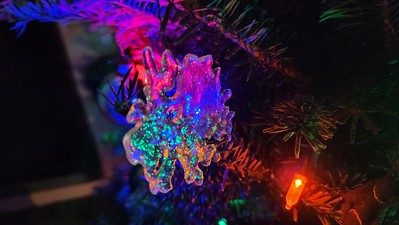
Snowflake ornament illuminated by Christmas tree lights

 Hello,


This month is a bit of a grab bag again with an article on freshwater protection, another on koala-vehicle strikes, and two on soil carbon (both offering caution on the potential and flagging complexity).

If you know someone who wants to sign up to receive these summaries, they can do so at http://bit.ly/sciencejon (no need to email me).

FRESHWATER:
Flitcroft et al. 2023 notes that counting effective freshwater protection globally is really hard (as is getting effective protection to happen). Fig 1 has a nice summary of how restrictive different protection mechanisms are. They also call for both better management of existing protected areas (PAs) to include freshwater conservation needs, and protections for freshwater in new places. While issues around data resolution and data availability continue to pose challenges to freshwater conservation, they argue that more explicit consideration of both freshwater and terrestrial objectives in any area-based protection is a good start.


WILDLIFE-VEHICLE CONFLICTS:
Dexter et al. 2023 makes a point that seems obvious once you think about it, but which was new to me. Namely, hotspots of wildlife-vehicle collisions (they looked at koala strikes) are likely to be very dynamic over time as wildlife populations grow and shrink, as land use change drives shifts in their movement, and as roads and traffic change. They make the point that wildlife crossings are generally cited based on past collision data, and found that collision hotspots decline over time (as nearby populations decline and/or move). There was some unspecified 'road mitigation' which could have partially driven the reductions but the authors said the mitigation wasn't sufficient to explore the decline (pointing to unpublished data, unfortunately). They recommend instead taking a broader landscape approach considering habitat and trends as opposed to focusing crossings at local collision hotspots, and including crossings or other mitigation early when making infrastructure changes.


SOIL CARBON:
Ogle et al. 2023 looks at the soil carbon portion of U.S. plans to meet their contribution to the Paris agreement on climate mitigation. They review several well known challenges w/ soil carbon (C): changes are hard to predict and measure accurately, that additionality and permanence can be challenges, and that changing practices can have undesirable side-effects (increasing emissions from soil of strong GHGs like nitrous oxide or methane, shifting emissions to other farms, etc.). See Table 1 for a summary. They also provide an overview of policy options including mandates, subsidies and incentives, C taxes, and C offsets (see Table 2). They call for a suite of research to investigate these challenges and look for a path forward if one exists.

Wang et al. 2023 is a helpful review of the degree to which soil carbon sequestration can offset greenhouse gas (GHG) emissions from ruminants (mostly cattle, but also sheep, goats, and buffaloes). It's a nice example of fairly simple analysis revealing important insights. Their top level finding is that to offset ruminant emissions from manure and burping over a 100 year timeframe, we would need to roughly triple the current total global carbon stock in managed grasslands (adding 200% to existing stocks), with regional increases needed from ~25%-2000% (Fig 4b, and see 4c which is per ha). That large an increase is not feasible; while reducing net emissions on ranches is important, we shouldn't expect to get the global beef & other ruminant sector to help mitigate climate change on net. That's perhaps obvious, but fringe local cases of low-density ranches w/ lots of nature potentially being carbon negative are often cited as examples of something globally scalable, so it's a useful reminder that they are not unless we reduce the global supply of ruminants (farm and eat less of their meat and dairy). Fig 3 summarizes how cattle factor into this in a different way: depending on how a given grassland can sequester and how much methane each cow produces, the "offsettable" cattle density ranges from 0 to 1.2 (for the very best case scenario).


REFERENCES:
Dexter, C. E., Scott, J., Blacker, A. R. F., Appleby, R. G., Kerlin, D. H., & Jones, D. N. (2023). Koalas in space and time: Lessons from 20 years of vehicle‐strike trends and hot spots in South East Queensland. Austral Ecology, June 2021, 1–18. https://doi.org/10.1111/aec.13465

Flitcroft, R. L., Abell, R., Harrison, I., Arismendi, I., & Penaluna, B. E. (2023). Making global targets local for freshwater protection. Nature Sustainability. https://doi.org/10.1038/s41893-023-01193-7

Ogle, S. M., Conant, R. T., Fischer, B., Haya, B. K., Manning, D. T., McCarl, B. A., & Zelikova, T. J. (2023). Policy challenges to enhance soil carbon sinks: the dirty part of making contributions to the Paris agreement by the United States. Carbon Management, 14(1). https://doi.org/10.1080/17583004.2023.2268071

Wang, Y., de Boer, I. J. M., Persson, U. M., Ripoll-Bosch, R., Cederberg, C., Gerber, P. J., Smith, P., & van Middelaar, C. E. (2023). Risk to rely on soil carbon sequestration to offset global ruminant emissions. Nature Communications, 14(1), 7625. https://doi.org/10.1038/s41467-023-43452-3
Sincerely,
 
Jon
 
p.s. This is a photo of a handmade glass snowflake ornament reflecting and transmitting several colors of Christmas tree lights

Monday, July 3, 2023

July 2023 science summary

Little mermaid food 
Greetings,

This month I have two articles on climate resilience, one on climate mitigation, and one on science-implementation partnerships. Plus a couple articles on AI as usual.

While it's a Canadian science fair project and not peer-reviewed science, I was interested to see this test of "you catch more flies with honey than vinegar." The experiment found that you catch more flies with honey and vinegar than with vinegar alone, which catches more than honey alone. But bringing it back to the saying: please don't be a jerk regardless.

My obligatory article on AI (and specifically Large Language Models [LLMs] like ChatGPT) is extra-fascinating this month. Can (and should) LLMs help us communicate more empathically? Check out this NY times article 'When Doctors Use a Chatbot to Improve Their Bedside Manner.' I love the idea of someone wanting to be kind by using the right words, not knowing what to say, and getting help with that. I have found it's very common for people to stay silent when they can't find 'the right words' around illness and death and grief, so I am all for helping people (including doctors) to get unstuck. I asked Bard (Google's LLM) for advice on how to support a friend who is grieving and found it mostly excellent. Not ideal but really good and something most of us could learn from. The idea of machines helping us to express empathy more effectively is so intriguing and I'm all for it.

The latest AI tool I tried out is "ChatPDF" which lets you upload a PDF and ask the tool questions about it. It works pretty well for some things, but is oddly dull in others. Like for one paper I asked it which species was responsible for most of the primary effect they reported (t CO2e of climate mitigation) and it didn't know. But when I asked it what the contribution was of the species I knew drove >80% of the effect, it reported it numerically. Apparently it was unable to divide the number it knew for the species in question by the total effect size number (which it also knew). But I thought it performed reasonably well with my questions about the IPCC report. TL;DR is that it seems better at finding / extracting info than any kind of reasoning.

If you know someone who wants to sign up to receive these summaries, they can do so at http://bit.ly/sciencejon (no need to email me).


CLIMATE MITIGATION:
Duncanson et al. 2023 estimates how much global forested protected areas may be reducing climate change. They matched forested protected areas to similar forested unprotected areas using data from 2000 (land cover, ecoregion, and biome; with additional control pixels that accounted for population etc. - see Table S1). Then they used the new (2019) GEDI lidar data to estimate aboveground forest biomass in 2020. 63% of forested PAs had significantly higher biomass than matched unprotected areas; on average PAs have 28% more aboveground biomass. Over a third of that effect globally comes from Brazil; Africa had less C dense forests and more human pressures on both PAs and unprotected areas. As you'd guess, most of the difference in unprotected sites was due to deforestation. But in 18% of PAs carbon was higher than unprotected sites even though optical sensors didn't detect deforestation (implying LiDAR is detecting either avoided degradation and/or enhanced growth in PAs). As a final note, other research has shown that both ICESat-2 and GEDI LiDAR satellites tend to underestimate forest canopy heights (mostly irrelevant here given the matching approach, but good to know for other global estimates).


CLIMATE RESILIENCE:
Anderson et al. 2023 is the latest paper supporting the data in The Nature Conservancy's Resilient Land Mapping Tool (https://maps.tnc.org/resilientland/). They looked for overlap in three layers across the US: biodiversity value (the union of TNC's ecoregional priority areas), resilient sites (places with diverse and connected microclimates), and 'climate flow' (a circuit theory analysis of where wildlife is likely to shift in response to climate change). See Fig 1 for their main results, or the web map is better since you can separate out the three main layers. The way 'biodiversity value' was assessed varies a lot by ecoregion, and some are more ambitious than others (e.g., the biggest biodiversity patch is in the Nebraska Sandhills, but other ecoregions also have some big blocks of intact habitat). So not every green blob is equally high-priority, but collectively it does have representation across all ecoregions which is good. On the main map, both blue and dark green blobs offer the most value for climate resilience, but again the web map lets you see the continuous data.

Rubenstein et al. 2023 is a systematic review of how documented range shifts (by plants and animals, presumably in response to climate change) compare to predictions. Across 311 papers, only 47% of shifts due to temperature were in expected directions (higher latitudes & elevations, and marine movement to deeper depths was seen but was non-significant). See Fig 4 for how results varied by taxonomic group, ecoystem type, and type of shift. Not many studies looked at precip but of those that did only 14% found species moving to stay in a precip niche. Note: this means simple assumptions of how species will move are of limited value, but NOT that local or regional predictions are inherently flawed. The authors note that considering local predictions of changing temp and precip will often depart from these simple assumptions, and other factors like water availability, fire, etc. are likely to be relevant. A final note on the last page was helpful: not all range shifts have equal relevance to management. In some cases a few individuals are moving to new places but most of the wildlife population doesn't shift at all. Both shifts AND non-shifts have implications for how management should change to keep species and ecosystems healthy! This paper has a LOT of nuance and variation in this paper, and a very detailed methods section with good recommendations for how scientists should continue these investigations. 


SCIENCE-IMPLEMENTATION PARTNERSHIPS:
Carter et al. 2020 is a call for better coordination of science across landscapes in the Western US to better inform land management. They walk through 5 examples of how it has worked (standard monitoring for national parks, tools to help restore arid & semi-arid landscapes, predictive soil maps of where reclaiming disturbed land could work, frameworks for sage-grouse monitoring, and targeted interventions to improve big-game connectivity). They ask agencies to better support boundary-spanning partnerships w/ scientists, and to make more specific asks to scientists about what information they need. I'm not convinced that's likely; White et al. 2019 and others have found land managers don't always see science as a key input, they're often too busy to even know where they need help, and a high-engagement partnership may not always be the best pitch to agency staff who are stretched thin.


REFERENCES:
Anderson, M. G., Clark, M., Olivero, A. P., Barnett, A. R., Hall, K. R., Cornett, M. W., Ahlering, M., Schindel, M., Unnasch, B., Schloss, C., & Cameron, D. R. (2023). A resilient and connected network of sites to sustain biodiversity under a changing climate. Proceedings of the National Academy of Sciences, 120(7), 1–9. https://doi.org/10.1073/pnas.2204434119

Carter, S. K., Pilliod, D. S., Haby, T., Prentice, K. L., Aldridge, C. L., Anderson, P. J., Bowen, Z. H., Bradford, J. B., Cushman, S. A., DeVivo, J. C., Duniway, M. C., Hathaway, R. S., Nelson, L., Schultz, C. A., Schuster, R. M., Trammell, E. J., & Weltzin, J. F. (2020). Bridging the research-management gap: landscape science in practice on public lands in the western United States. Landscape Ecology, 35(3), 545–560. https://doi.org/10.1007/s10980-020-00970-5

Duncanson, L., Liang, M., Leitold, V., Armston, J., Krishna Moorthy, S. M., Dubayah, R., Costedoat, S., Enquist, B. J., Fatoyinbo, L., Goetz, S. J., Gonzalez-Roglich, M., Merow, C., Roehrdanz, P. R., Tabor, K., & Zvoleff, A. (2023). The effectiveness of global protected areas for climate change mitigation. Nature Communications, 14(1), 2908. https://doi.org/10.1038/s41467-023-38073-9

Rubenstein, M. A., Weiskopf, S. R., Bertrand, R., Carter, S. L., Comte, L., Eaton, M. J., Johnson, C. G., Lenoir, J., Lynch, A. J., Miller, B. W., Morelli, T. L., Rodriguez, M. A., Terando, A., & Thompson, L. M. (2023). Climate change and the global redistribution of biodiversity: substantial variation in empirical support for expected range shifts. Environmental Evidence, 12(1), 7. https://doi.org/10.1186/s13750-023-00296-0


Sincerely,
 
Jon

p.s. The photo is of food we made for a little mermaid party, including crab cupcakes (no crab in them, they were vegan), mermaid tail ice cream cones, sugar cookies, and veggie sushi 

Monday, May 1, 2023

May 2023 science summary

Nut Case by Katie Hudnall

Greetings,

Does spring feel like it came early or late? It's not just you! DC leafed out 3 weeks ahead of schedule.

This month is a bit of a grab bag: three papers on fishery management, one on assisted migration for wildlife, one on forests & fire, and one on the role of wildlife in climate mitigation that I found pretty misleading.

If you know someone who wants to sign up to receive these summaries, they can do so at http://bit.ly/sciencejon (no need to email me).

CLIMATE CHANGE & WILDLIFE:
Schmitz et al. 2023 makes a fair point but uses some egregious estimates to do so (please don't trust the estimated climate mitigation benefits). They argue that the role of animals in boosting carbon sequestration (and/or reducing soil carbon and methane emissions) in underappreciated, and they may be right. Fig 1 is a cool thought experiment looking at potential impacts of boosting animal populations in different case studies. BUT the estimate of a huge 6.41 additional Gt CO2e / yr that could be reduced via animals is based on some really weak assumptions. For example, 86% of that 6.41 Gt comes from marine fish (5.5 Gt / yr). But that 5.5 Gt comes from another report, and is actually an estimate of CURRENT fish carbon flux (not potential to increase additional sequestration via conservation) recognizing a ton of uncertainty. Their bison estimate (another 9% of the 6.41 Gt) assumes that bison start grazing ungrazed lands when in fact they'd be displacing cattle in most cases (and one of the papers they cite lists the C benefit of cattle and bison as about the same). The only other animal with a substantial contribution is grey wolves (4% of total), and it's based on a single study on net primary productivity in Michigan which ignores the albedo effect. So overall, this study starts with decent evidence but makes some really flawed assumptions about how to translate them into global climate mitigation potential.


WILDLIFE AND ASSISTED MIGRATION:

Fitzpatrick et al. 2023 looks at the potential for assisted migration (moving individual animals to different habitats, sometimes along w/ targeted captive breeding) as a form of 'genetic rescue' to restore gene flow across fragmented federally listed vertebrate populations in the US via assisted migration. They gave 222 spp a score from -1->4, with 2/3 of spp scoring 2 or higher (and thus may be candidates for assisted migration, see Fig 1b for results by type of animal, or Fig 2 for example candidate spp). Only 5% of spp. had a management plan mentioning "genetic rescue" (or the general concept), but 44% of candidate species had already used assisted migration (more frequent in fishes and mammals)). Note that italicized words are in a glossary at the end. Also note this paper does NOT include other connectivity strategies like habitat restoration, wildlife crossings, etc.


FORESTS & FIRE:
Prichard et al. 2021 is a review of several questions related to fire in US western forests (see Table 1 for the summary of questions & answers). They include whether and when/ how to use cutting trees and prescribed burns as tools for reducing wildfire risk and/or climate mitigation and/or ecological restoration. The authors argue that many dry forests (and some moist forests mixed into dry forest landscapes) historically experienced more frequent fires of low to moderate intensity (often set by Native Americans), but that these forests are now denser and more likely to have severe crown fires (especially as summers become warmer and drier). That in turn will cause some forests to be lost and shift to grasslands or other ecosystems. Read Table 1 for key takeaways, including that for many (not all) Western forests, thinning and prescribed burning are important tools. Side note: given the active debate on this topic, I asked for input from a few forest scientists deep in the lit, and they recommended this article.


FISHERY MANAGEMENT:
Cinner et al. 2019 is a 16 year study of rotational fishing / closure in Papua. They found success in compliance with the system (due to strong social cohesion driven by leaders sharing info, a "carrot and stick" approach, and lots of community participation) BUT even though closed areas rebounded, over the study period fish biomass dropped by about half. So even though the closure program worked as intended, it wasn't enough to offset overfishing when areas were open.

Cinner et al. 2012 is a study of 42 co-management arrangements for coral-dependent fisheries across 5 countries. Co-management led to more biomass than non-locally managed fished areas, and less than no-take closures (Fig 3). But see Fig 4 for key results (fish biomass was higher when markets were farther, and lower when more people replied on fishing for their primary income). They found just 54% of resource users saw co-management as improving their livelihoods (it seemed to benefit wealthier fishers w/ longer history of co-management and more agency).

Hughes et al. 2012 looks at how vulnerable different countries are to declining coral-dependent fisheries leading to reduced food security. Tables 2-4 have ratings of 27 countries vulnerability to declining fisheries impacting food security, as well as ratings of assets, flexibility, learning, and social organization. The most vulnerable countries are Indonesia, Liberia, Ivory Coast, and Kenya.


REFERENCES:
Cinner, J. E., McClanahan, T. R., MacNeil, M. A., Graham, N. A. J., Daw, T. M., Mukminin, A., Feary, D. A., Rabearisoa, A. L., Wamukota, A., Jiddawi, N., Campbell, S. J., Baird, A. H., Januchowski-Hartley, F. A., Hamed, S., Lahari, R., Morove, T., & Kuange, J. (2012). Comanagement of coral reef social-ecological systems. Proceedings of the National Academy of Sciences, 109(14), 5219–5222. https://doi.org/10.1073/pnas.1121215109

Cinner, J. E., Lau, J. D., Bauman, A. G., Feary, D. A., Januchowski-Hartley, F. A., Rojas, C. A., Barnes, M. L., Bergseth, B. J., Shum, E., Lahari, R., Ben, J., & Graham, N. A. J. (2019). Sixteen years of social and ecological dynamics reveal challenges and opportunities for adaptive management in sustaining the commons. Proceedings of the National Academy of Sciences, 116(52), 26474–26483. https://doi.org/10.1073/pnas.1914812116

Fitzpatrick, S. W., Mittan-Moreau, C., Miller, M., & Judson, J. M. (2023). Genetic rescue remains underused for aiding recovery of federally listed vertebrates in the United States. Journal of Heredity, March, 1–13. https://doi.org/10.1093/jhered/esad002

Hughes, S., Yau, A., Max, L., Petrovic, N., Davenport, F., Marshall, M., McClanahan, T. R., Allison, E. H., & Cinner, J. E. (2012). A framework to assess national level vulnerability from the perspective of food security: The case of coral reef fisheries. Environmental Science & Policy, 23, 95–108. https://doi.org/10.1016/j.envsci.2012.07.012

Prichard, S. J., Hessburg, P. F., Hagmann, R. K., Povak, N. A., Dobrowski, S. Z., Hurteau, M. D., Kane, V. R., Keane, R. E., Kobziar, L. N., Kolden, C. A., North, M., Parks, S. A., Safford, H. D., Stevens, J. T., Yocom, L. L., Churchill, D. J., Gray, R. W., Huffman, D. W., Lake, F. K., & Khatri‐Chhetri, P. (2021). Adapting western North American forests to climate change and wildfires: 10 common questions. Ecological Applications, 31(8). https://doi.org/10.1002/eap.2433

Schmitz, O. J., Sylvén, M., Atwood, T. B., Bakker, E. S., Berzaghi, F., Brodie, J. F., Cromsigt, J. P. G. M., Davies, A. B., Leroux, S. J., Schepers, F. J., Smith, F. A., Stark, S., Svenning, J.-C., Tilker, A., & Ylänne, H. (2023). Trophic rewilding can expand natural climate solutions. Nature Climate Change. https://doi.org/10.1038/s41558-023-01631-6

Sincerely,
 
Jon
 

p.p.s. The photo is of a piece at the Renwick gallery in DC. The caption says: 'A mature oak tree produces about two thousand acorns a year, but only one in ten thousand acorns reaches maturity. Hudnall explains, “I think the idea of constant, repeated, tiny attempts for success, with the understanding that most will go nowhere, became a way for me to think about slow progress toward health in my own life.” '

Tuesday, March 1, 2022

March 2022 science summary

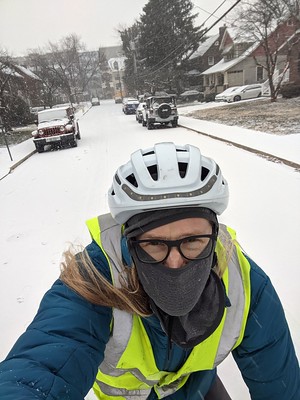
Winter biking


 Hello,


I've got a mix of papers this month but most relate to climate change (priorities for mitigation and adaptation, impacts on flooding, and how to plan for it) plus a couple of wildlife movement. 

If you know someone who wants to sign up to receive these summaries, they can do so at http://bit.ly/sciencejon (no need to email me).

CONSERVATION PRIORITIES / 30x30 / CLIMATE ADAPTATION:
Dreiss & Malcom 2022 is an analysis of priorities for protection under 30x30, considering hotspots of biodiversity and carbon, current protection (Fig 2), and threats. The two threats are risk of conversion (to non-habitat by 2050) and climate vulnerability (need for habitat / species to migrate elsewhere to survive, expressed in km/yr). They have two sets of hotspots, one with the top 10% of biodiversity (they calculated both imperiled species richness, and imperiled species range-size-rarity which captures how much habitat rare spp. have left), and one with the top 10% of carbon pools (not actual GHG mitigation potential, as it omits deep carbon like peat, other GHGs, and the albedo effect). Fig 3 has maps of their main results, but they're easier to see and explore in the interactive map at https://arcg.is/0SjGLK. Fig 4 highlights high conversion risk (>50%) and climate vulnerability for hotspots (top 10%) of biodiversity and carbon (4a = conversion & richness, 4b = conversion & carbon, 4c = climate vuln. & richness, 4d = climate vuln. & carbon). Upgrading all existing less strict protected areas (GAP 3) would achieve ~30% protection, but that would miss 80% of biodiversity hotspots (which are on private land). Similarly, 21% of unprotected biodiversity hotspots have at least a 50% chance of being converted by 2050. The authors didn't include political, social, or economic considerations, but there are still a lot of useful data in here.

Dreiss et al. 2022 identifies priority conservation locations within the contiguous US to support climate adaptation (via refugia and corridors). Fig 4c shows which climate refugia and corridors are unprotected (in gray) or underprotected (GAP 3 in orange). The bottom two rows in Table 3 shows that the best places for climate adaptation mostly don't overlap with the best places for biodiversity or carbon (~20-25% do). This means that focusing solely on biodiversity or carbon hotpsots is likely to miss critical refugia and corridors to help ensure resilience to climate change.


CLIMATE CHANGE IMPACTS:
Wing et al. 2022 modeled increasing US flooding risks due to both climate change (by 2050 under RCP4.5, which is 'medium' emissions but still means aggressive decarbonization) and changing populations. Note that the paper uses 'risk' in the engineering sense: likelihood of impact times magnitude of impact (so risk is reported as expected annual $ losses due to floods). Those losses are expected to go up 26% just from climate change (calculated at the building level based on current population data), but considering both climate change and population change they predict almost twice as many people will be impacted by flood each year (with that impact driven largely by population growth). The highest current flood risk is in predominantly white and extremely poor counties (partly b/c very poor people in areas at risk of floods have few financial assets not vulnerable to floods, so their relative risk is higher). The counties with the highest % Black population are expected to see twice as much risk increase by 2050 as counties with the fewest Black people. This is due a mix of increasing flooding risk in the Deep South, and the relatively low current risk of mostly Black counties. You can read more about this at https://www.washingtonpost.com/business/2022/01/31/climate-change-flooding-united-states/

Brown et al. 2022 has a good overview of recent improvements to incorporating climate change into conservation planning via the Conservation Standards (aka Open Standards for the Practice of Conservation). If you're not familiar with the Standards, this paper will be a bit overwhelming, but still has useful tidbits. Jump to figure 4 for a very helpful diagram of physical changes expected to result from climate change, and which of these changes make sense to classify as "direct climate threats" (in red text). What I love about this is it helps you move past (climate change will affect everything) and identify the specific changes that a) will affect focal species and ecosystems, and b) which you can affect via conservation. So rather than focusing on changes to rain, they identify decreased water availability and increased risk of landslides as climate threats. Then Fig 5b shows how the climate threats are integrated w/ other direct threats and linked to conservation targets (the species and ecosystems being prioritized for action). If you can handle switching examples, Figs 6 and 7 show how to move from a situation model (linking threats to targets and identifying possible strategies) to a results chain (showing the desired interim results and ultimate impacts of a strategy). There is some updated guidance available since this was published on the CMP web site.


WILDLIFE MOVEMENT / MIGRATION:
Merkle et al. 2022 addresses the problem that species which favor returning to fixed places to forage / breed / shelter have a hard time adjusting to habitat loss and resulting fragmentation. Figure 2 has a good example: mule deer in WY staying true to winter range despite oil & gas development, which the authors give as an example of an 'ecological trap' due to 'site fidelity' (they keep coming back even if they have better alternatives). They call for more research on what drives site fidelity (genetics, environmental conditions, or a mix), and for conservation plans to account for site fidelity rather than assuming animals will choose the best habitat possible.

Vynne et al. 2022 is a global analysis to find terrestrial ecoregions where only 1-3 large mammals (>33 lb, 298 species) are missing from the mammals that present 500 years ago (Fig 2 has a map of those results). Given the impact large mammals have on ecosystems, the idea is that getting back to the full suite of mammals that used to be there will have broader effects. But this is an assumption the authors make, rather than a conclusion of the analysis (most news headlines have implied the latter). The best known example of that is the impact of reintroducing wolves to Yellowstone leading to a trophic cascade (although unfortunately those effects have been widely exaggerated due to non-random aspen sampling and failing to account for confounding effects of human hunting and changes in streamflow due to climate). Their 30 priority ecoregions for reintroduction / restoration are in Table 2 and Figure S3. They note the challenges in reintroducing predators in particular, including the need to plan to avoid human conflict and difficulty of securing protection over large areas to allow for connectivity).


REFERENCES:

Brown, M. B., Morrison, J. C., Schulz, T. T., Cross, M. S., Püschel-Hoeneisen, N., Suresh, V., & Eguren, A. (2022). Using the Conservation Standards Framework to Address the Effects of Climate Change on Biodiversity and Ecosystem Services. Climate, 10(2), 13. https://doi.org/10.3390/cli10020013

Dreiss, L. M., & Malcom, J. W. (2022). Title identifying key federal, state, and private lands strategies for achieving 30 × 30 in the United States. Conservation Letters, May 2021, 1–12. https://doi.org/10.1111/conl.12849

Dreiss, L. M., Lacey, L. M., Weber, T. C., Delach, A., Niederman, T. E., & Malcom, J. W. (2022). Targeting current species ranges and carbon stocks fails to conserve biodiversity in a changing climate: opportunities to support climate adaptation under 30x30. Environmental Research Letters, 2(1), 0–31. https://doi.org/10.1088/1748-9326/ac4f8c

Merkle, J. A., Abrahms, B., Armstrong, J. B., Sawyer, H., Costa, D. P., & Chalfoun, A. D. (2022). Site fidelity as a maladaptive behavior in the Anthropocene. Frontiers in Ecology and the Environment, 1–8. https://doi.org/10.1002/fee.2456

Vynne, C., Gosling, J., Maney, C., Dinerstein, E., Lee, A. T. L., Burgess, N. D., Fernández, N., Fernando, S., Jhala, H., Jhala, Y., Noss, R. F., Proctor, M. F., Schipper, J., González‐Maya, J. F., Joshi, A. R., Olson, D., Ripple, W. J., & Svenning, J. (2022). An ecoregion‐based approach to restoring the world’s intact large mammal assemblages. Ecography, 1–12. https://doi.org/10.1111/ecog.06098

Wing, O. E. J., Lehman, W., Bates, P. D., Sampson, C. C., Quinn, N., Smith, A. M., Neal, J. C., Porter, J. R., & Kousky, C. (2022). Inequitable patterns of US flood risk in the Anthropocene. Nature Climate Change. https://doi.org/10.1038/s41558-021-01265-6

Sincerely,
 
Jon
 
p.s. If you'd like to keep track of what I write as well as what I read, I always link to both my informal blog posts and my formal publications (plus these summaries) at http://sciencejon.blogspot.com/
p.p.s. As shown in the pic above - I am a committed winter biker, and my wife and I very much enjoyed Arlington's winter bike games recently!

Monday, November 1, 2021

November 2021 science summary

Meteor by Robert Roselle

Hello,


This month I am summarizing a mixed bag of science articles on conservation planning, climate change, fire & human health, and wildlife monitoring.

I was interviewed by Wildhub about things I've learned as a conservation scientist (especially related to publishing papers), if you're interested it's available at: https://wildhub.community/posts/communicating-your-message-is-crucial-and-it-takes-lots-of-practice

Also the 2021 Annual Request for Proposals (RFP) from The Science for Nature and People Partnership (SNAPP) is now open. You can learn more and apply at https://awards.snappartnership.net/ (proposals due by December 10th), but they fund quick working groups to advance research w/ tangible benefits to people and nature.

If you know someone who wants to sign up to receive these summaries, they can do so at http://bit.ly/sciencejon

CONSERVATION PLANNING:
Lees et al. 2021 is an interesting analysis of the impact of participatory and stakeholder-inclusive conservation planning on threatened species. They specifically look at the 35 planning workshops hosted by The Conservation Planning Specialist Group (CPSG) of the IUCN Species Survival Commission (IUCN SSC) which had data for at least 5 years before the workshop and 10 years after on the species in question (using the Red List Index). The abstract tells a rosier picture than does Table 1: 10 years after workshops 4% of spp improved, 22% declined, and 74% were stable (after 15 years it was 9%, 26%, and 66%). But 1) they show that the decline slowed down post-workshop relative to pre-workshop, and 2) relative to a modeled counterfactual (w/o the workshops) they predicted that 8 species extinctions were avoided (of the 35 spp. with 15 years of post-workshop data). Check out Fig 3 for the mean risk over time which makes their point well. While it's posisble the 15 year data is an anomaly, in the discussion on p6 they make a good case that the workshops were the secret sauce rather than some other factor. Since they take place in contexts where past conservation has been unsuccessful and the path forward was unclear due to conflicting views and uncertainty, the pre-workshop outlook was typically poor, and actively including stakeholders in planning was a good way to both find solutions and build support for them. Studying the impact of planning per se is very difficult, and I don't see this paper as definitive proof, but it is useful evidence making a case for broad and inclusive planning that involves a range of stakeholders.


CLIMATE CHANGE:
Dobrowski et al. analyzes how much of the world will experience enough climate change to effectively shift into a different ecoregion, and how that relates to protected areas (PAs). They move ecoregions' location to keep their historic climate similar, which is an interesting thought exercise but not a likely scenario (given variations in soil and topography and other factors that will not shift w/ climate). They found that with 2C warming, 54% of land will effectively change ecoregions, with 22% shifting biomes (see Fig 4 for how this affects % protected by biome). This means there are winners and losers, with the biggest losers the ~5% of land within PAs that don't have an analogous climate w/in 2000 km for species to migrate to (shown in black in Figs 2b & 3b; 56 ecoregions 'disappear'). They recommend a focus on unmodified areas expected to be climatically stable that are currently underprotected, as well as areas that improve climate connectivity (see Fig 6 for a case study in the NW US and Canada). They also have a tool where you choose a place, and it'll tell you what other place currently has the climate the first place is expected to have w 2C (or 4C) warming: https://plus2c.org/


FIRE & HEALTH:
Liu et al. 2017 combines modeled smoke exposure from wildfire with hospital admission data (due to respiratory illness) to estimate the health impacts of fire on different groups of elderly Medicare enrolees. Specifically, they looked at age, gender, race, urban/rural, region, poverty level, and education (see Table 2) in 561 counties in the Western US. They looked at baseline hospital admissions for respiratory illness for each group, and then how that changes on days when smoke levels are high. They found more smoke exposure in Blacks, California, urban, and more educated counties. Hospital admissions on smoke days increased the most for Blacks (22%) and women (10%). There are a few odd findings (like poor people having more smoke exposure, but decreased hospital admissions on smoke days), and they also used a bad practice of having a 'referent' population that was white, make, urban, and relatively wealthy and young.

Palaiologou et al. 2019 looked at how different aspects of the Social Vulnerability Index affect wildfire exposure in parts of three states (WA, CA, NM). They grouped social attributes oddly rather than using the default SVI themes (see Table 2: I'm unclear why 'minority' ends up in 'education'), but found fire exposure went up w/ poverty & disability, higher population & # of households, youth, inability to speak English, and lack of high school education (but with variation by state). They found that most fire exposure for the most vulnerable places originated on private land relatively near to both towns and "wildlands."


WILDLIFE MONITORING:
Lahoz-Monfort & Magrath 2021 is an overview of tech options for monitoring wildlife (excluding biotechnology like eDNA and genomics) and to a lesser degree collecting other environmental information. Since they cover a wide range of tech fairly shallowly, it's hard to summarize. It's worth a quick read for anyone looking to understand the range of ways scientists track and measure wildlife from afar. They cover types of sensors (chemical, thermal, optical including UV and IR but broken out from multispectral and hyperspectral and LiDAR, radar, active sonar, passive acoustic, vibration, and position / motion), specific devices (visible and thermal camera traps, microphones w/ loggers, sonar on boats or buoys, land-based radar like Doppler, smartphones, and a few others), networks of devices (wireless or independent but with data harvested and combined later), devices on land and water vehicles, traditional remote sensing (from planes, satellites, and drones), devices on animals (which can track: location via several tech options, physiological info like temperature and heart rate or even birth, imagery, audio, individual identity, interactions w/ other animals, and more), other ways to track the location of wildlife, using sensors to trigger traps (or deploy poison or open / close a gate, etc.), and computing (including online platforms, smartphones, AI, and cheap computing).


REFERENCES:
Dobrowski, S. Z., Littlefield, C. E., Lyons, D. S., Hollenberg, C., Carroll, C., Parks, S. A., Abatzoglou, J. T., Hegewisch, K., & Gage, J. (2021). Protected-area targets could be undermined by climate change-driven shifts in ecoregions and biomes. Communications Earth & Environment, 2(1), 198. https://doi.org/10.1038/s43247-021-00270-z

Lahoz-Monfort, J. J., & Magrath, M. J. L. (2021). A Comprehensive Overview of Technologies for Species and Habitat Monitoring and Conservation. BioScience, 71(10), 1038–1062. https://doi.org/10.1093/biosci/biab073

Lees, C. M., Rutschmann, A., Santure, A. W., & Beggs, J. R. (2021). Science-based, stakeholder-inclusive and participatory conservation planning helps reverse the decline of threatened species. Biological Conservation, 260(December 2020), 109194. https://doi.org/10.1016/j.biocon.2021.109194

Liu, J. C., Wilson, A., Mickley, L. J., Ebisu, K., Sulprizio, M. P., Wang, Y., Peng, R. D., Yue, X., Dominici, F., & Bell, M. L. (2017). Who Among the Elderly Is Most Vulnerable to Exposure to and Health Risks of Fine Particulate Matter From Wildfire Smoke? American Journal of Epidemiology, 186(6), 730–735. https://doi.org/10.1093/aje/kwx141

Palaiologou, P., Ager, A. A., Nielsen-Pincus, M., Evers, C. R., & Day, M. A. (2019). Social vulnerability to large wildfires in the western USA. Landscape and Urban Planning, 189(April), 99–116. https://doi.org/10.1016/j.landurbplan.2019.04.006

Sincerely,
 
Jon
 
p.s. the photo above shows the inside of a sculpture called Meteor by Robert Rosselle (the last one he made before he died). The outside is less lovely (https://www.flickr.com/photos/jaundicedferret/51430890217/in/datetaken/) so it's a great surprise to peek in and see the planet and stars

Monday, November 2, 2020

November 2020 Science Article Summary

Joe-O-Lantern

Happy post-Halloween!

This month I have five big global conservation papers, plus two on wildlife migrations. Also - my team is hiring! You can find out more and apply here: https://jobs-pct.icims.com/jobs/6374/job and let me know if you have any questions.

If you know someone who wants to sign up to receive these summaries, they can do so at http://bit.ly/sciencejon


GLOBAL CONSERVATION:
Dinerstein et al. 2020 is the latest paper advocating for conserving half of the earth (not all via legal protection). I like that they break down the primary conservation focus of each new area: rare species, distinct species assemblages (beta diversity), intact large mammal populations ('rare phenomena'), intact habitats (driven mostly by the Last of the Wild data which tends to rate rural farms as relatively intact), and high carbon stocks (see Figure 1 for a global map). Interestingly the big mammal cluster is 42% the size of current protected areas but stores 91% as much carbon. There's also a useful connectivity analysis: they find 4.3% of global land area would be needed to connect current protected areas (w/ ~3.5km wide corridors), and if their 50% target was met we'd still need 2.7% more to provide connectivity. About a third of targeted lands are indigenous territories which may already be effectively conserved in some cases. As a reminder, the 50% global target was picked arbitrarily, so describing these as 'science-based targets' is a bit misleading. They used science to identify places that add up to 50%, but the 50% overall target is NOT science-based. Check out their results at https://www.globalsafetynet.app/viewer/

Maxwell et al. 2020 reviews how effective the last 10 years of new protected areas (PAs) have been in covering underprotected species and areas. The key finding is that PAs are not being added in the highest priority areas, and while some species are doing better than average in new protection, protection overall remains badly inadequate relative to the needs of species and ecosystems. On land PAs expanded by ~9% but only contributed to very small increases in representation (only increases in wilderness were significantly better than that 9%, while carbon and terrestrial key biodiversity areas expanded less than 9%, Fig 3b). At sea PAs more than doubled in area (+160%), with corals, cartilaginous fishes (like sharks), marine wilderness, and pelagic (open ocean) areas doing even better than that. But the expansion of marine PAs underperformed in increasing representation of marine reptiles & mammals, bony fishes, key biodiversity areas, and several others. The authors call for more transparency around decisions to add or expand (or shrink) PAs, improved recognition and management of Other Effective area-based Conservation Measures, better planning for climate change, more financing for protection and management, and more.

Strassburg et al. 2020 is a global prioritization of where to restore ecosystems on land. As with similar analyses they find we could achieve more at lower cost if we use analyses like theirs to drive the work. Fig 3 has the best comparison of cost and environmental benefits, while Fig 1 has maps of priority areas. However,  Maxwell et al. 2020 is a reminder that these decisions are NOT typically driven like papers like this, and Fig 1e raises immediate concerns about the likelihood of proposing to restore most of the Philippines and Indonesia, or 96% of converted habitat in the Caribbean. Scenario VI in Fig 3 shows how much lower the environmental benefits are (and that the cost is higher) if each country restores their highest priority 15% of lands relative to what's possible by concentrating restoration in relatively few countries (scenarios I-III). Despite the challenges, this paper does make a key point: given the relatively high cost of restoration relative to protecting intact habitat, it's important that we stretch those dollars by picking the right places to restore (including likelihood that restored lands won't get quickly reconverted).

The 5th Global Biodiversity Outlook report has mostly bad news - none of the 20 targets set in 2010 for 2020 have been met, although 6/20 have been partially achieved. Check out page 6 of the summary for policymakers for the results (green means met, yellow some progress, red no progress, and purple negative progress). Some of these are optimistic, e.g., it's very optimistic to assume that not only will 10% of the ocean be protected this year but that they will focus on areas of particular importance for biodiversity and ecosystem services. But you can read more about why they rated it this way on page 82 of the full report. It's worth at least looking at the high level scores for everything, and digging into the ones most relevant to your work.

van Rees et al. 2020 has 14 recommendations to improve freshwater outcomes in  the next version of the Convention on Biological Diversity (CBD) as well as the EU's biodiversity strategy. In brief, they are: don't lump freshwater in w/ lands and ocean when planning, recognize their role in supporting human life, recognize the importance of connectivity and barriers (like dams), manage freshwater ecosystems at the watershed / catchment scale, use systems thinking to consider trade-offs like how hydropower or intensive ag impacts on freshwater systems compared to others, improve existing freshwater protected areas (via restoration, management, and enforcement), use 'flagship umbrella species' to get freshwater biodiversity more attention, do more research on invasive species and how they impact freshwater ecosystems, improve monitoring of freshwater ecosystems, improve freshwater data's accessibility, use novel methods to monitor biodiversity like environmental DNA (eDNA) or digital text analysis, use strategic spatial planning, use more global data (like Red-Listed species) in national and local decision-making, and seek to better integrate top-down decision making by experts (due to technical complexity) with bottom-up stakeholder-driven approaches.


WILDLIFE MIGRATION:
Greggor et al. 2020 argues that for conservation interventions to influence wildlife, it can help to think through the lens of animal cognition. It seems funny, but check out Fig 3 on “Why did (or didn’t) the chicken cross the road?” – they ask a really useful set of questions (like does the chicken see habitat on the other side and perceive it as better, does it see the road and see it as a danger, are danger cues masked, does it see the overpass and perceive it as safer, etc.). Fig 2 offers a decision tree to pick the right intervention, and the paper proceeds to offer several rules about how animal cognition and decision making tends to work to explain those recommendations. They note some limits, like omitting how animals deal w/ novelty, and how much is unknown about perception in many species.

Testud et al. 2020 evaluated crossings of amphibians (newts, frogs, toads, & salamanders) in tunnels under high-speed rail. Shorter tunnels led to more successful (complete) crossings for most species (but not toads), and broadcasting audio of frog mating calls led to a big increase in successful crossings (and crossing speed) for the one frog species who was included in the recordings. It would be interesting to follow up to see if more complex audio representing more species would work better, and even whether this approach might work for mammals as well.


REFERENCES:
Dinerstein, E., Joshi, A. R., Vynne, C., Lee, A. T. L., Pharand-Deschênes, F., França, M., … Olson, D. (2020). A “Global Safety Net” to reverse biodiversity loss and stabilize Earth’s climate. Science Advances, 6(36), eabb2824. https://doi.org/10.1126/sciadv.abb2824

Greggor, A. L., Berger-Tal, O., & Blumstein, D. T. (2020). The Rules of Attraction: The Necessary Role of Animal Cognition in Explaining Conservation Failures and Successes. Annual Review of Ecology, Evolution, and Systematics, 51(1), annurev-ecolsys-011720-103212. https://doi.org/10.1146/annurev-ecolsys-011720-103212

Maxwell, S. L., Cazalis, V., Dudley, N., Hoffmann, M., Rodrigues, A. S. L., Stolton, S., … Watson, J. E. M. (2020). Area-based conservation in the twenty-first century. Nature, 586(7828), 217–227. https://doi.org/10.1038/s41586-020-2773-z

Secretariat of the Convention on Biological Diversity. (2020). Global Biodiversity Outlook 5. Montreal, 208 pages. Available at https://www.cbd.int/gbo5

Strassburg, B. B. N., Iribarrem, A., Beyer, H. L., Cordeiro, C. L., Crouzeilles, R., Jakovac, C. C., … Visconti, P. (2020). Global priority areas for ecosystem restoration. Nature, (August 2019). https://doi.org/10.1038/s41586-020-2784-9

Testud, G., Fauconnier, C., Labarraque, D., Lengagne, T., Lepetitcorps, Q., Picard, D., & Miaud, C. (2020). Acoustic enrichment in wildlife passages under railways improves their use by amphibians. Global Ecology and Conservation, e01252. https://doi.org/10.1016/j.gecco.2020.e01252

van Rees, C. B., Waylen, K. A., Schmidt‐Kloiber, A., Thackeray, S. J., Kalinkat, G., Martens, K., … Jähnig, S. C. (2020). Safeguarding freshwater life beyond 2020: Recommendations for the new global biodiversity framework from the European experience. Conservation Letters, (April), 1–17. https://doi.org/10.1111/conl.12771


Sincerely,
 
Jon

Friday, May 1, 2020

May 2020 Science Journal Article Summary

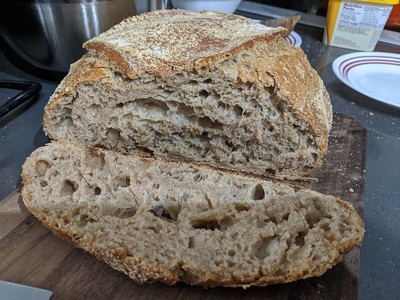
Tartine sourdough bread

Greetings,

I hope you're all staying healthy, well fed, employed, and finding ways to stay connected.

This month I am tackling science articles discussing the relationship between COVID-19 and conservation (plus a couple related ones on air quality). It's not a representative sample of the literature. I drew from 1) articles either sent to me directly or 2) articles cited (in email or twitter or blogs I ran across) to support high-level conclusions, and I reviewed the ones that seemed both the most relevant and relatively high-quality.

I also don't think I'm qualified to weigh in. But the topic is unavoidable, and I would rather make the attempt than ignore it. I was prompted partly by Bob Lalasz' excellent post "The Wrong Kind of Serenity," even though I don't know if my expertise is sufficient to the task.

Most of the blogs and emails I've seen on this topic either seem to be in support of a clear agenda, or were written for a constrained audience and can't be shared. I especially welcome your feedback and perspectives on both this summary and the papers themselves. Please also send other papers & resources you have found the most useful (or problematic).

Overall, I didn't find a lot of consensus conclusions and recommendations. But there is agreement that the more humans (and our domesticated animals) live near to nature (especially when primates and bats are present), spend time in nature, and convert wildlife habitat (for settlements or food production), the more chance there is of being exposed to zoonotic disease (spread between animals and humans). It is also fair to say that reducing air pollution will have strong benefits to human health even if the potential link between COVID-19 mortality and poor air quality is not supported by additional research.

Finally, there is a lot of debate about whether higher biodiversity reduces the risk of disease transmission. The basic idea is that with more species there will be fewer compatible hosts for any given species. On the other side, as biodiversity declines some wildlife species prone to harboring zoonotic disease will be lost. I didn't read enough of this literature to come to an informed conclusion, but I'm not yet convinced. You can read a bit about it here (this article favors the idea that biodiversity loss worsens disease risk but includes a counterpoint): https://www.caryinstitute.org/news-insights/media-coverage/more-we-lose-biodiversity-worse-will-be-spread-infectious-diseases

If you know someone who wants to sign up to receive these summaries, they can do so at http://bit.ly/sciencejon

CONSERVATION & HUMAN HEALTH:
DISEASE TRANSMISSION:
Smith & Guégan 2010 is a (long) summary of the origin and location of all human pathogens. It's useful context for thinking about COVID-19 and other zoonotic diseases. For emerging infectious disease in particular (diseases which are new or becoming more significant), about 3/4 of them are zoonotic. They also cite an earlier paper (Woolhouse & Gowtage-Sequeria 2005) that ranks the drivers of emerging pathogens (by # of pathogen species, NOT by impact), which from most to least spp. are: "(1) changes in land use or agricultural practices, (2) changes in human demographics and society, (3) poor population health, (4) hospital and medical procedures, (5) pathogen evolution, (6) contamination of food supplies or water sources, (7) international travel, (8) failure of public health programs, (9) international trade, and (10) climate change." Land-use change has been more key for bacterial and zoonotic disease, and mostly involves people coming into closer contact with nature and wildlife.

Morse et al. 2012 offers ideas from the past to predict and prevent the next zoonotic pandemic. It has a useful summary of how these pandemics emerge (see Panel 1), and Figure 1 has a global risk map which could inform monitoring. However, we have never predicted a pandemic before humans became infected. They recommend continued improvement of global monitoring to quickly identify novel pathogen outbreaks, while noting this has been a top recommendation for decades. Other suggestions seem impractical (better sanitation and biosafety practices in potential hotspots) or too expensive and complicated. For example, modeling which wildlife species are most likely to harbor emerging zoonoses (zoonotic diseases) would enable better monitoring. But there are thousands of potential pathogens to evaluate. The PREDICT program (from USAID) is listed as an example of a successful approach (combining collecting samples from wildlife and identifying the pathogens posing the most potential risk). Ironically the program ended fieldwork in September 2019, and was ended in March 2020 before being given an emergency 6-month extension in April 2020. It will be interesting when later analysis reveals whether or not they had the data needed to predict the emergence of SARS-CoV-2 / COVID-19.

I skimmed quite a few articles on the "dilution effect" arguing that higher biodiversity leads to lower disease risk before settling on Ostfeld & Keesing 2012 to review here. I like that they are methodical in exploring the issue, but it's a long article. I found the first half fairly unconvincing: modeling 'adding diversity' yields different results than much more likely cases of losing diversity, and the agricultural example doesn't apply well to zoonoses. But starting with p10 of the PDF (p166) there are useful case studies showing that diseases w/ generalist animal hosts like rodents will tend to be higher risk as diversity goes down. But despite showing biodiversity loss can raise disease risk, on p19 of the PDF (p175) they cite a metaanalysis finding that species richness had very little effect on zoonotic disease emergence. Instead human population density was the key factor. I look forward to reading more on this topic to have a more informed opinion.

Johnson et al. 2020 is a timely analysis of which mammals have the most potential to transmit disease to humans (estimated by the number of zoonotic virus species, an imperfect but useful proxy). Overall, the more common a species was, the more viruses they shared with humans. Domesticated mammals (12 species) were the highest-impact variable in their model, and they hosted 50% of all zoonotic virus species (not necessarily exclusively). 75% of virus species were hosted by either rodents, bats, and/or primates. Primates and bats host more viruses per mammal species, and bats in particular have traits that make transmission to other species more likely (rodents are significant partly because there are many common rodent species who live near humans). Finally, while they note that among threatened species virus richness goes up when the mammals are threatened by habitat loss, those species still have fewer virus species than more common mammals.

Faust et al. 2018 models how different rates and amounts of habitat loss impact the risk of zoonotic disease. The primary finding is intuitive: risk is fairly low when habitat loss is either very low (few humans in contact w/ nature) or very high (few wild populations in contact w/ people). So it's the mix of humans and natural habitat that poses more risk. In general, faster land conversion reduces exposure and thus risk. However, they note that fast conversion can also rarely lead to the largest outbreaks (where a lot of displaced species interact with a large pool of human hosts who are likely to mix with other humans). Figure 2 has interesting case studies of zoonotic diseases with different transmission modes, and Figure 5 shows how infection rates vary over time depending on rate of habitat loss.

Bloomfield et al 2020 asks what factors are associated with physical contact between humans and wild nonhuman primates (and thus potential concerns with disease exposure). They looked at smallholder farmers in Uganda living near forest patches (which they call "core") in an area with ongoing deforestation to create new farms and pastures (which along with settlements they call "matrix"). The results are not surprising: people who go to forests (for hunting & foraging for food, and/or gathering small trees for construction) or live in areas with more forest fragmentation have slightly higher chances of contacting primates.

Mills et al. 2010 summarizes the scant information on how climate change can affect zoonotic disease. They list four ways climate change can impact vector-borne zoonotic disease via changes to the host and/or vector: range shifts that result in contact w/ new human populatoins, changes in population density (leading to more or less human contact), changes in prevalence of infection (leading to more or less contact w/ infection), and changes in pathogen load (leading to more or less chance of transmission per contact). They list case studies of each, and note that while there is evidence of climate change having increased risk, there are many confounding variables not accounted for. For example, despite the mosquito host of Dengue and Zika becoming established in Texas, the diseases remain relatively rare despite nearby epidemics in Mexico (the difference may be due to more air conditioning lowering exposure in Texas). They close with a research agenda for the kinds of studies most needed to better understand how climate will impact zoonotic disease.

How does migration impact the risk of zoonotic disease? Altizer et al. 2011 find that it's complicated. Migrations can spread pathogens including to other species. They can also increase risk via reducing host immune function, and increasing exposure to pathogens for the migratory species. But migrations can also cause disease risk to go down by leaving parasites behind (and making it harder for parasites to reproduce in their absence), or removing infected animals from the population (since they're not fit enough to migrate, which may also provide selection pressure favoring less virulent pathogens). On net, migration may be bad for specialist pathogens, parasites that build up over time, pathogens transmitted via biting vectors or intermediate hosts, and pathogens transmitted mainly from adults to juveniles during breeding. Migration may help generalist parasites where there are shared stopover areas or wintering grounds, or help specialist pathogens that spread better with dense populations common during migration.

AIR QUALITY:
While poor air quality is a leading global health risk, I've only seen one study so far directly looking at how it impacts COVID-19 mortality (and it's a preprint, so it hasn't been peer-reviewed yet). Wu et al. 2020 looked at correlation between long-term U.S. air quality (specifically PM2.5: tiny particles < 2.5 μm in diameter) and found that fairly small increased in PM2.5 concentration (1 μg/m3) were associated with a 15% increase in COVID-19 death rate (compared to a 0.7% increase in the rate of all-cause mortality). They control for quite a few confounding variables (e.g. hospital beds, population, obesity, smoking, poverty, etc.), but note that limited testing means they can't properly control for outbreak size (which could be the primary driver of their results). Initial discussion has identified some other missing variables (like accounting for respiratory diseases like COPD or lung cancer), but this is still a useful data set to inform discussions and more research. The authors are also report they are publishing similar results for China and Italy. It's not clear whether short term improvements in air quality from the lockdown would make any difference. There are interesting comments on the initial version of the paper.

Zhang et al. 2019 shows how many lives can be saved by reducing air pollution, using an initiative in China (2013-2017) as a case study. The authors estimate that "national emissions of SO2, NOx, and PM2.5 decreased by 59%, 21%, and 33%, respectively." This reduction in PM2.5 (by ~20 μg/m3) avoided ~410,000 premature deaths. They have lots of detail about all the actions that made this possible, and Fig 4 shows how much each change contributed to avoided deaths; the biggest contributions came from stronger industrial emissions standards and upgrades to industrial boilers. Note that this study was published pre-COVID-19, so doesn't include potential benefits of reduced complications from the disease (although even the reduced levels in China are still much higher than the US).

Tessum et al. 2019 is a very short but useful look at racial inequity of PM2.5 air pollution. It is also a great overview of sources and risks of PM2.5 (see Fig 1), which they note is responsible for about 2/3 of US deaths from environmental causes. But their key finding is that black and Latinx people are exposed to 56% and 63% more PM2.5 than the relative amount of pollution caused by the goods and services they consume. Conversely, non-Latinx white people & other races (they lump whites with Asians, Native Americans, and all other races) are exposed to 17% less PM2.5 relative to their consumption. From 2003-2015, overall PM2.5 exposure dropped ~50% on average, while inequity decreased for black people but remained similar for others. Given the findings of the Wu 2020 preprint (that PM2.5 exposure increases COVID-19 mortality), this disease could further racial inequity. However, to date the CDC has found that while COVID hospitalized patients are disproportionately black, that there are fewer Latinx patients than in surrounding communities, so there are clearly other factors at play.


REFERENCES:
Altizer, S., Bartel, R., & Han, B. A. (2011). Animal Migration and Infectious Disease Risk. Science, 331(6015), 296–302. https://doi.org/10.1126/science.1194694

Bloomfield, L. S. P., McIntosh, T. L., & Lambin, E. F. (2020). Habitat fragmentation, livelihood behaviors, and contact between people and nonhuman primates in Africa. Landscape Ecology, 35(4), 985–1000. https://doi.org/10.1007/s10980-020-00995-w

Faust, C. L., McCallum, H. I., Bloomfield, L. S. P., Gottdenker, N. L., Gillespie, T. R., Torney, C. J., … Plowright, R. K. (2018). Pathogen spillover during land conversion. Ecology Letters, 21(4), 471–483. https://doi.org/10.1111/ele.12904

Johnson, C. K., Hitchens, P. L., Pandit, P. S., Rushmore, J., Evans, T. S., Young, C. C. W., & Doyle, M. M. (2020). Global shifts in mammalian population trends reveal key predictors of virus spillover risk. Proceedings of the Royal Society B: Biological Sciences, 287(1924), 20192736. https://doi.org/10.1098/rspb.2019.2736

Mills, J. N., Gage, K. L., & Khan, A. S. (2010). Potential Influence of Climate Change on Vector-Borne and Zoonotic Diseases: A Review and Proposed Research Plan. Environmental Health Perspectives, 118(11), 1507–1514. https://doi.org/10.1289/ehp.0901389

Morse, S. S., Mazet, J. A. K., Woolhouse, M., Parrish, C. R., Carroll, D., Karesh, W. B., … Daszak, P. (2012). Prediction and prevention of the next pandemic zoonosis. The Lancet, 380(9857), 1956–1965. https://doi.org/10.1016/S0140-6736(12)61684-5

Ostfeld, R. S., & Keesing, F. (2012). Effects of Host Diversity on Infectious Disease. Annual Review of Ecology, Evolution, and Systematics, 43(1), 157–182. https://doi.org/10.1146/annurev-ecolsys-102710-145022

Smith, K. F., & Guégan, J.-F. (2010). Changing Geographic Distributions of Human Pathogens. Annual Review of Ecology, Evolution, and Systematics, 41(1), 231–250. https://doi.org/10.1146/annurev-ecolsys-102209-144634

Tessum, C. W., Apte, J. S., Goodkind, A. L., Muller, N. Z., Mullins, K. A., Paolella, D. A., … Hill, J. D. (2019). Inequity in consumption of goods and services adds to racial–ethnic disparities in air pollution exposure. Proceedings of the National Academy of Sciences, 116(13), 6001–6006. https://doi.org/10.1073/pnas.1818859116

Woolhouse, M. E. J., & Gowtage-Sequeria, S. (2005). Host range and emerging and reemerging pathogens. Emerging Infectious Diseases, 11(12), 1842–1847. https://doi.org/10.3201/eid1112.050997

Wu, X., Nethery, R. C., Sabath, B. M., Braun, D., & Dominici, F. (2020). Exposure to air pollution and COVID-19 mortality in the United States. MedRxiv, 2020.04.05.20054502. https://doi.org/10.1101/2020.04.05.20054502

Zhang, Q., Zheng, Y., Tong, D., Shao, M., Wang, S., Zhang, Y., … Hao, J. (2019). Drivers of improved PM 2.5 air quality in China from 2013 to 2017. Proceedings of the National Academy of Sciences, 116(49), 24463–24469. https://doi.org/10.1073/pnas.1907956116


Sincerely,

Jon