Showing posts with label wetlands. Show all posts

Friday, May 1, 2026

May 2026 science summary

Jon and Thor


Hi,

I'm pretty behind on even screening new research - if you have a favorite paper from the past few months please feel free to pitch it to me along with why it's worth covering! This month I've got a paper on an interesting ecological engineering approach to wetland restoration, one on causes of fire in the Gran Chaco, and one on interest among ranchers in the Brazilian Pantanal in sustainable certification.


Subscribe instructions - If you know someone who wants to sign up to receive these summaries, they can do so at http://subscribe.sciencejon.com (no need to email me).


WETLAND RESTORATION:
Petrakis et al. 2026 uses satellite imagery to document the degradation and subsequent restoration of a spring-fed wetland in an arid part of New Mexico. It dried out after water diversion and use for irrigation in the 1940s, and from 2008-2015 a series of changes were made to increase water retention (the so-called "Zeedyk" approach named after the last author on the paper). This included plugging diversion ditches / channels, widening channels, and adding many small rock dams all of which allow for slower flow and more water retention and infiltration. They actually doubled the area of the original wetland via restoration. On the one hand, these structures would impede connectivity for aquatic organisms, but on the other so does the absence of water. I can see a case being made for these kinds of structures in ephemeral headwaters in particular.


FIRE / CHACO:
Baumann et al. 2026 look at 40 years of fire history in the Gran Chaco (2/3 of which burned in that time) to find key drivers. 70% of all fires originated from clearing habitat for agriculture (91% in Bolivia), followed by burning existing cropland or pastures (28%, 7% in Bolivia). Fire was most common when initially clearing land, followed by regular burning of pastures, whereas regular use of fire was uncommon for croplands. Drought led to fires burning almost 5% more land than in non-drought years, which was significant but much less than I expected. One reason is that as a dry ecosystem, fuel loads are low, especially after longer droughts or other fires. The authors note that "other fires" (not from clearing land or burning ag lands) still were often set by humans, and some fires classified as "other" still originated from pasture fires before extending into forests.


PANTANAL / CATTLE SUSTAINABILITY:
Nogueira et al. 2026 interviewed ranchers in the Pantanal about beliefs and interest in adopting a sustainable certification scheme. Interviewees felt a lot of pride and identity as Pantaneiros, their unique ability to ranch effectively, and their sustainability. This is fairly universal in similar research I’ve seen of ranchers across the Americas. The biggest driver of them being willing to try for sustainable certification is direct support (likely both technical and financial – they report sustainable practices are both difficult and expensive, despite ALSO believing they’re already sustainable). The second biggest driver is how open they say they are to new ideas of managing their property, followed by being familiar with FPS (the certification scheme in question). Recognition of Pantaneiro culture had the smallest impact on intention to adopt of the four factors that helped to some degree. Belief that the government does not currently support sustainable cattle ranching was the biggest predictor of opposition to adopting sustainable certification.


REFERENCES:
Baumann, M., Maillard, O., Gasparri, I., Burton, J., Gavier Pizarro, G., & Kuemmerle, T. (2026). Fire dynamics in the South American Chaco and their link to agriculture and drought. Nature Sustainability. https://doi.org/10.1038/s41893-026-01793-z

Nogueira, D. G., de Olivera Roque, F., Borges, J. A. R., Tomas, W. M., Mills, M., Jagadish, A., Nunes, A. V., Leimgruber, P., Legh‐Smith, C., Marchini, S., & Morais Chiaravalloti, R. (2026). What Drives Conservation Adoption? Social Science Insights from Cattle Ranchers in the Pantanal Wetland, Brazil. Conservation Letters, 19(2), 1–9. https://doi.org/10.1111/con4.70033

Petrakis, R. E., Norman, L. M., McGraw, M., Carson, S., Sponholtz, C., Weber, C., & Zeedyk, W. D. (2026). Regreening, restoring, and reconnecting a southwestern wetland ecosystem – the Zeedyk wetland. Remote Sensing Applications: Society and Environment, 42(November 2025), 101964. https://doi.org/10.1016/j.rsase.2026.101964


Sincerely,

Jon


P.s. The adorable chunky puppy in the photo is Thor - until very recently he was one of almost 100 puppies currently available for adoption via Homeward Trails in addition to many quality adult dogs (already potty trained and no surprises about their eventual personality). He has been snapped up but as I write this his similar brother Loki and sister Freyja are somehow still up for grabs! This pic was taken at a puppy party I volunteered at which both raises funds for the shelter and helps pups find homes.

Tuesday, April 1, 2025

April 2025 science summary

Drum circle at work

Hello,


This month I thought people might be interested in a short overview I pulled together about some of the fires in recent years and the impact they've had (instead of only detailed summaries of each paper). Let me know what you think! I do have normal summaries of four papers on fire (two mentioned in the overview) as well.

If you know someone who wants to sign up to receive these summaries, they can do so at http://bit.ly/sciencejon (no need to email me).

FIRE OVERVIEW:
Earlier this year in and around one of the largest cities in the US, almost 50,000 acres burned (https://www.fire.ca.gov/incidents/2025), destroying >16,000 buildings, displacing tens of thousands of people, and causing an estimated damage of >$250 billion dollars (https://www.nbcnews.com/news/us-news/california-wildfires-what-we-know-palisades-eaton-los-angeles-rcna188239).  This follows an exceptional fire season across North and South America in 2024 (https://earth.org/north-and-south-america-endured-exceptional-wildfire-season-in-2024/). 

Experts estimate that there has been a “ten‑fold increase in the frequency of fire regime change during the last 250 years,” (Sayedi et al. 2024) and wildland fuels have almost universally been getting dryer over the last 40 years (Ellis et al. 2022). While fire is normal in many ecosystems (and essential in some), we also have many recent examples of fires which devastated nature due to unusual severity, scale, speed, and return intervals. For example, in 2019-20, after severe drought in Australia a fire burned over 25 million acres (>100,000 km2) and “killed or displaced an estimated 3 billion mammals, birds, frogs, and reptiles” (Legge et al. 2023). The Pantanal has had increasingly common severe fires, e.g., in 2020 almost half of the ~10 million acres that burned hadn’t burned before in the last 20 years (Garcua et al. 2021), killing roughly 17 million vertebrates (Tomas et al. 2021). 

In some cases severe fire can also lead to high greenhouse gas emissions, especially for peatlands. For example, in 1997-8 Indonesian peat fires emitted a gigaton of carbon (~15% of global fossil fuel emissions, Turetsky et al. 2015). 

There is hope: our ability to remotely detect forest fires early is improving (Barmpoutis et al. 2020), and Indigenous fire brigades have shown promise as a low-cost way to dramatically reduce harmful wildfire (Ribeiro et al. 2023). 


SUMMARIES OF SPECIFIC FIRE PAPERS:
GLOBAL FIRE:

Ellis et al. 2022 is a global analysis of fire risk over the past 41 years, using estimated moisture trends in fuel (surface litter and dead plant debris) as the key metric. Fig 2a shows the % of days during the fire season where fuel moisture is expected to be below 10% (and thus at high fire risk), while 2b shows the total # of fire season days at high fire risk and Fig 4 shows the trend in high fire risk over time (36% of ecoregions are drying vs. only 4% getting wetter). They note that days w/ dry fuel isn't the only key driver of risk; consistent dry conditions limit fuel accumulation and thus the risk of severe fire. So surprisingly historically wet forests which accumulate lots of plant matter in wet years between fires may be the most at risk (as other research has shown).


FIRE IN SOUTH AMERICA:
Feron et al. 2024 analyzes how fire risk in South America has increased in the last 52 years (especially in the North Amazon). They estimate fire risk by combining the increasing number of warm days, dry days, and flammable days (combined in Fig 3). El Niño worsens risk in the Nothern Amazon, but lessens it in the Gran Chaco (where La Niña worsens the risk). The northeast part of the Gran Chaco has seen the most increase in fire risk (Fig 1a). The authors note that where humans set fires is also a key driver of wildfires spreading. In the Amazon severe fire has caused local warming (from black carbon) and decreasing rainfall.

Barros-Rosa et al. 2025 is a complex analysis of water and fire in the Pantanal and Planalto in Brazil. They looked at changes in land use and water and fire from 1985 to 2022. They found 1) open water in the Pantanal dropped from 20% to 5% (this analysis has a very high rate of error and variance so the precise numbers are likely wrong but the overall drying trend is valid), 2) forest and savanna were cleared for cattle (replacing them with exotic grass - doubling in the Planalto and tripling in the Pantanal), although 3) native grasslands also doubled in the Pantanal. They also find areas that have dried out are the most affected by wildfires. The authors also highlight existing policies allowing massive conversion of habitat to exotic grass, and allowing artificial drainage in wetlands outside the Pantanal.

Oliveira et al. 2025 argues that rigid "burn windows" when prescribed fire should be done works poorly in wetlands like the Pantanal (where the government limits prescribed fire to the beginning of the dry season (BDS), a ~5 month period as shown in Fig. 2). Burn windows remain important: prescribed fire requires considering both fuel loads and how wet or dry it is to ensure fire can burn but remains contained, as well as things like wind direction that could affect human health. But flooding combines w/ rainfall to determine actual fuel loads, limiting the utility of prescribed fire when rain is low but flooding remains. Considering river height as a proxy for flooding they find the end of the BDS is typically ideal for prescribed fire (although varying year to year, Fig. 6) even though rainfall is much lower than the beginning of BDS when flooding limits the use of prescribed fire (Fig. 4b and 4c). But they note that in the Northern Pantanal where rain and flood are more aligned than the Southern Pantanal the burn window is longer and more predictable (Fig. 5). The conclude that in wetlands like the Pantanal burn windows should be dynamic year to year and consider flooding as well as rainfall. One key point: prescribed burning is more important in high flood years, b/c while the window is shorter, flooding allows more vegetation to accumulate which raises the risk of fire once floods recede (we've often see severe fires in the Pantanal the year after a very wet year).


REFERENCES FOR PAPERS SUMMARIZED INDIVIDUALLY:
Ellis, T. M., Bowman, D. M. J. S., Jain, P., Flannigan, M. D., & Williamson, G. J. (2022). Global increase in wildfire risk due to climate‐driven declines in fuel moisture. Global Change Biology, 28(4), 1544–1559. https://doi.org/10.1111/gcb.16006

Feron, S., Cordero, R. R., Damiani, A., MacDonell, S., Pizarro, J., Goubanova, K., Valenzuela, R., Wang, C., Rester, L., & Beaulieu, A. (2024). South America is becoming warmer, drier, and more flammable. Communications Earth & Environment, 5(1), 501. https://doi.org/10.1038/s43247-024-01654-7

Barros-Rosa, L., Moura Peluso, L., Lemes, P., Johnson, M. S., Dalmagro, H. J., Nunes da Cunha, C., Zanella de Arruda, P. H., Mateus, L., & Penha, J. (2025). The ineffectiveness of current environmental and fire policies in the world’s largest wetland. Environmental Research Letters, 20(3), 034039. https://doi.org/10.1088/1748-9326/adb7f5

Oliveira, M. da R., Pereira, A. de M. M., Bao, F., Ferreira, B. H. dos S., Fernando, A. E., Roque, F. de O., Pott, A., Damasceno-Junior, G. A., & Neves, D. R. M. (2025). Designing Burn Windows for Integrated Fire Management in Wetlands: Why Should Flooding Not Be Overlooked? Wetlands, 45(4), 35. https://doi.org/10.1007/s13157-025-01919-7


REFERENCES FOR OTHER PAPERS IN OVERVIEW:
Barmpoutis, P., Papaioannou, P., Dimitropoulos, K., & Grammalidis, N. (2020). A Review on Early Forest Fire Detection Systems Using Optical Remote Sensing. Sensors, 20(22), 6442. https://doi.org/10.3390/s20226442

Garcia, L. C., Szabo, J. K., de Oliveira Roque, F., de Matos Martins Pereira, A., Nunes da Cunha, C., Damasceno-Júnior, G. A., Morato, R. G., Tomas, W. M., Libonati, R., & Ribeiro, D. B. (2021). Record-breaking wildfires in the world’s largest continuous tropical wetland: Integrative fire management is urgently needed for both biodiversity and humans. Journal of Environmental Management, 293(April), 112870. https://doi.org/10.1016/j.jenvman.2021.112870

Legge, S., Rumpff, L., Garnett, S. T., & Woinarski, J. C. Z. (2023). Loss of terrestrial biodiversity in Australia: Magnitude, causation, and response. Science, 381(6658), 622–631. https://doi.org/10.1126/science.adg7870

Ribeiro, D. B., & Pereira, A. M. M. (2023). Solving the problem of wildfires in the Pantanal Wetlands. Perspectives in Ecology and Conservation, 21(4), 271–273. https://doi.org/10.1016/j.pecon.2023.10.004

Sayedi, S. S., Abbott, B. W., Vannière, B., Leys, B., Colombaroli, D., Romera, G. G., Słowiński, M., Aleman, J. C., Blarquez, O., Feurdean, A., Brown, K., Aakala, T., Alenius, T., Allen, K., Andric, M., Bergeron, Y., Biagioni, S., Bradshaw, R., Bremond, L., … Daniau, A.-L. (2024). Assessing changes in global fire regimes. Fire Ecology, 20(1), 18. https://doi.org/10.1186/s42408-023-00237-9

Tomas, W. M., Berlinck, C. N., Chiaravalloti, R. M., Faggioni, G. P., Strüssmann, C., Libonati, R., Abrahão, C. R., do Valle Alvarenga, G., de Faria Bacellar, A. E., de Queiroz Batista, F. R., Bornato, T. S., Camilo, A. R., Castedo, J., Fernando, A. M. E., de Freitas, G. O., Garcia, C. M., Gonçalves, H. S., de Freitas Guilherme, M. B., Layme, V. M. G., … Morato, R. (2021). Distance sampling surveys reveal 17 million vertebrates directly killed by the 2020’s wildfires in the Pantanal, Brazil. Scientific Reports, 11(1), 23547. https://doi.org/10.1038/s41598-021-02844-5

Turetsky, M. R., Benscoter, B., Page, S., Rein, G., Van Der Werf, G. R., & Watts, A. (2015). Global vulnerability of peatlands to fire and carbon loss. Nature Geoscience, 8(1), 11–14. https://doi.org/10.1038/ngeo2325

Sincerely,
 
Jon
 
p.s. The picture is of the first drum circle I ever attended, which was at work during  a "learning week" event for my department!
p.p.s. Nothing in this post is an April Fool's joke or untrue in any way as far as I know :)

Thursday, January 2, 2025

Best of 2024 science summaries

Sarah and Jon before Christmas caroling

Happy New Year,


How better to celebrate the new year than with old science?!

As usual, here are my favorite 15 reruns (article summaries) from 2024, plus a few of my favorite bits about AI since I keep getting requests for more of that:

Upset at the articles I missed? Please email me your own favorites from 2024 and I'll do what I can to include them in upcoming summaries.

As always people can sign up to receive these summaries at http://bit.ly/sciencejon (no need to email me). On with the reruns!


CLIMATE CHANGE
OK, for years people have been hyping the potential of a kind of seaweed (Asparagopsis) to reduce methane emissions in cattle. But the in vitro evidence was mixed - with potential toxicity and downsides a concern if the dose wasn't just right. George et al 2024 is a live trial with good news! They found methane emissions from cattle given an Asparagopsis additive were cut roughly in half compared to control, with 6.6% higher weight gain per unit of feed and no substantial impacts on quality or health (fat color maybe a bit better, tenderness maybe a bit worse). The methane reduction peaked at day 21 and declined afterwards, but since most cattle are in feedlots only ~3 months (ranging from 1.5-4) the decline after day 100 is pretty moot. That's a lot of potential! The only potential downsides were ~50% higher bromine residues in kidney and muscle (I couldn't quickly find guidance on safe levels). Caveats: 1) there were no conflicts declared but the authors appear to almost all work as feedlot consultants and it's single rather than double-blinded, 2) in the US the feedlot phase is only about 15% of the lifecycle emissions of a cow (and of that, some is from growing crops and nitrous oxide) so TOTAL impact on CO2e / kg beef is not as dramatic. Overall my take is 1) this should absolutely be tested and replicated more - anything that reduces the very high carbon of beef is worth pursuing. BUT 2) if this is marketed as "green beef" or license to avoid reductions, it could be net harmful for the climate. and 3) IF spraying this solution on grass worked similarly and didn't inhibit development of calves, the impact could be much higher (since ~80%ish of a cow's life is grazing prior to feedlot, and methane emissions are higher on grass than feed). So let's test that too (note: there’s a new study claiming a ~1/3 reduction in methane during grazing via seaweed supplements that I haven’t reviewed yet). There's a blog about this at https://www.theguardian.com/australia-news/article/2024/aug/18/feeding-seaweed-supplement-to-cattle-halved-methane-emissions-in-australian-feedlot-study-finds

Trencher et al, 2024 is an analysis of the quality of carbon credits on the voluntary market. They focus on the 20 companies retiring the most credits between 2020-2023 (134 million metric tons CO2e), which is 20% of all global retirements on the three registries (see Fig 1 for company list). They found 87% of credits have a high risk of not providing real additional reductions (6% were low risk, most of the rest was medium), and 97% of credits focused on avoiding emissions rather than removal. Note that they classified all REDD+ (reducing deforestation and/or degradation) as high risk given that they have often 1) overestimated additionality, 2) not stopped deforestation, and/or 3) displaced deforestation elsewhere (aka 'leakage'). They also classify large-scale renewable energy as high-risk, since the price of credits is not typically the decisive factor in those projects (they are often built w/ or w/o credits) and they are often build in countries w strong government support for renewable energy. They also found that companies strongly prefer the cheapest credits (which creates demand for lower-quality offsets) often from older projects, although some companies have paid a lot more for REDD projects. The authors call for more regulation of the voluntary market, and for companies not using voluntary credits to support claims of offsetting emissions.

 
CONSERVATION IMPACT:
Langhammer et al. 2024 is the big splashy new Science paper looking at the global impact of conservation. It's a meta-analysis of trials comparing interventions to counterfactuals (similar areas w/o action). They found conservation helps 2/3 of the time (45% of trials led to absolute improvement in biodiversity, 21% reduced biodiversity loss), but is harmful 1/3 of the time (in 21% of trials biodiversity declined more due to conservation, in 12% it improved less due to conservation), and only 2% of trials showed no difference). That's not a great track record - I'd hoped net harm would be rare (1/3 is very high!), and just over half the time we're losing biodiversity despite trying to stop it. Fig 2 helpfully shows how impact varies by type of intervention: protected areas show the smallest positive effect on average, and invasive species removal shows the largest positive effect. I'd ignore "sustainable use of species" b/c it's a weirdly broad category that somehow only included 4 papers on wildlife hunting and 1 on fishing, although a few fishing papers are included under protected areas (details in the supplement - this makes me think their sample is not representative of conservation broadly). While the authors conclude conservation is working and we should do more of it, I bet if this was a paper on medical efficacy we'd consider interventions that are 2/3 helpful and 1/3 harmful an urgent cry to improve efficacy BEFORE we try to scale work that is so often ineffective or harmful. Would you send your kids to a school where 1/3 of students learned less than kids not in school at all?


EVIDENCE ASSESSMENTS / SCIENTIFIC REPRODUCIBILITY:
Scientists often complain policy makers don't follow our recommendations (or even read them). But Brisco et al. 2023 finds that recommendations from meta-analyses tend to change over time as research continues. They looked at 79 papers (121 meta-analyses) and found that over time 93% of analyses either had a big change in effect size (+- 50% or more, see Fig 2 for examples) or change in statistical significance (see Fig 3). The key results are in Fig 5, which I find pretty confusing. Results staying consistently statistically significant w/ each study is rare, and ~25% of analyses showed a reversal in effect (from positive to negative or vice versa). Those reversals are the change we care the most about since it means action can backfire. BUT if you ignore the studies that were never statistically significant (seems safe) it's only 12% of analyses that flip, and if you also ignore the ones that lost significance (meaning the reversal is less meaningful) it goes down to 11%. That's still pretty bad though - 1 time out of 9 the scientific recommendation might lead to the opposite outcome we intend. They recommend scientists use cumulative meta-analyses to look for trends, and the reminder that we're often wrong reinforces the need for adaptive management and an empirical approach to seeing what works in a given context.
 
 
FIRE:
Pivello et al. 2021 is a good comprehensive overview of wildfire across Brazil. It's long and dense so hard to summarize! Natural fires are most common at the beginning of the wet season when lightning ignites accumulated dry vegetation. Fig 1 has an overview of fire by biome: the Amazon followed by Cerrado have the most fires; the Pantanal and Cerrado typically have the highest % burned (they are both fire-dependent, as is the Pampas, see Fig 2), and in 2020 the Pantanal had roughly triple the % burned and fire density as others. Pollen evidence (from a different study, Power et al. 2016) indicates fire activity in the Pantanal peaked about 12,000 years ago (people have only lived there for about 8,000 years, and grazed cattle for ~250). Introducing cattle has caused a shift from burning every 3-6 years (mostly in the beginning or sometimes end of the wet season) to burning every year or two during a relatively dry part of the wet season (see Fig 6). Conversely, fire suppression in the Cerrado has also driven woody encroachment of savannas. In the Amazon and Atlantic Forest, natural fire is rare and very infrequent, making fire especially harmful as species are not adapted to it. The combination of deforestation and drought make it much easier for fire to spread (and Amazonian deforestation means more drought in the Pantanal). 1/3 of the forest in the Amazon from 2003-2019 were associated w/ deforestation. Indigenous people mostly used fires in small areas, but since European colonization it's used at larger scales to clear land permanently (or alternately suppressed, see Fig 7 for a nice timeline of fire landmarks). Integrated fire management (IFM) is uncommon (except a few federal protected areas, mostly in the Cerrado). Only Minas Gerais and Roraima states have IFM laws. The authors recommend: 1) fire management policy should include climate mitigation and poverty reduction to reduce fire risk; 2) better fire monitoring and management systems; 3) filling knowledge gaps around drivers of fire, how fire impacts wetlands, human dimensions of fire, impacts of different fire regimes on grazing productivity and carbon; 4) better enforcement of illegal fire use (including more resources); 5) including local communities in developing fire management plans, and 6) national and state level fire policies with adequate resources for implementation (including data collection and sharing, and clear and simple rules about fire use).
 
Balch et al. 2024 found that over the last 20 years fires in the US have been spreading faster. In the Western US over 20 years the average peak daily growth rate (the average of the fastest each fire grew on a given day) increased 2.5 times (in California they increased by 4 times). The fastest 3% of fires nationally (spreading more than 1,620 ha in a day) destroyed between 78-89% of the buildings lost to fire (the paper lists each number in different section for the same stat). I’ve heard a lot more about severity and frequency and extent of fire, but thinking about speed is also important as faster fires are harder to respond do, and may make really smooth coordination increasingly important. Increases in drought conditions and potential increases in high winds could make this worse over time. 


FRESHWATER:
Flitcroft et al. 2023 notes that counting effective freshwater protection globally is really hard (as is getting effective protection to happen). Fig 1 has a nice summary of how restrictive different protection mechanisms are. They also call for both better management of existing protected areas (PAs) to include freshwater conservation needs, and protections for freshwater in new places. While issues around data resolution and data availability continue to pose challenges to freshwater conservation, they argue that more explicit consideration of both freshwater and terrestrial objectives in any area-based protection is a good start.
 
Jasechko et al. 2024 is a global assessment of groundwater levels since 2000 (using 170,000 wells and 1,700 aquifers) and comparing them to earlier trends for ~1/3 of those aquifers. They found 36% of aquifers were drying up (water level dropping deeper by 0.1 m / yr or more), and 6% of aquifers were improving (water level rising 0.1 m / yr or more), w/ 58% of aquifers not changing quickly in this century. 30% of the aquifers where they had 40 years of data declined faster in the 21st century than the 20 years prior (see Fig 3), but in 49% of those aquifers declines slowed or reversed. Unsurprisingly the trend is worst in drylands w/ farmland, and groundwater deepening is globally correlated w/ low precipitation, high evapotranspiration, and extent of agriculture. See Fig 1 and 2 for global map of trends, highlighting hotspots of decline in CA, the US high plains, Iran, India, central Chile, and a few others. There's a news article about the study at https://www.cnn.com/2024/01/24/climate/groundwater-global-study-scn/index.html

Wang et al. 2024 looks at how climate change has changed the seasonality of river flow (how much it varies month to month, including frequency of droughts and floods). They found that ~14% of long-term river gauges show changes in seasonality over the last 50 years that isn't driven by changing annual precipitation. The surprise is that seasonality is mostly DECREASING counter to the narrative of more floods and droughts (see Fig 1 for a map of results, and Fig 2 which adds detail). In their figures brown means less seasonality (more even flow): "L+" means low flows become higher flows (NOT higher frequency of drought) while "H-" means floods see lower flood volume (again NOT lower frequency of flood events). You'll see most of North America, most of Europe, and some of Russia have seen reduced seasonality in recent decades. Blue means MORE seasonality, focused in: SE Brazil, some European countries, and in the US the SE and some of the Rocky Mountains. The explanation is worth reading in full, but in brief: 1) snow melting earlier means less runoff from snow at the same time as spring rains, 2) early spring greening means more water gets transpired, 3) it's more complicated in places not dominated by snowmelt.
 

HORIZON SCANNING / EMERGING ISSUES:
I realized I've only rarely reviewed Bill Sutherland's annual "horizon scan" article listing 15 emerging conservation issues that potentially deserve to be better-known. Last year (I just read the 2024 version a year late) they used artificial intelligence to generate some of the ideas but none made the cut. Here's the final list so you can decide if any are worth looking up (and here’s the brand new 2025 paper if you want to catch up):
1. New sources of hydrogen for energy (mining or electrolysis instead of natural gas),
2. Decarbonized ammonia (making fertilizer w/ lower carbon emissions but could increase fertilizer wasted),
3. Feeding people and/or animals w/ cultivated bacteria,
4. Light-free artificial photosynthesis (yes, it's as weird as it sounds) for indoor ag,
5. Enhanced rock weathering at scale (putting rock dust on croplands to sequester carbon),
6. Potential global declines in earthworm populations (more data is needed to see if UK decline is representative),
7. Ecoacoustics to monitor soil ecology (testing how meaningful soil sounds are for estimating things like biodiversity and water flow),
8. Wildfire affecting El Niño and La Niña phase (aerosols leading to the La Niña phase),
9. Benchtop DNA printers (potential to eventually allow guerilla genetic engineering),
10. Better predicting chemical toxicity from early data,
11. a skyscraper city planned in Saudi Arabia that birds could crash into when migrating from Europe to Africa.,
12. Sea urchin die-offs (possibly from disease) leading to algal overgrowth on corals and other marine ecosystems,
13. Ocean-based carbon removal (from the air or dissolved in water to stable forms),
14. Warming "twilight zones" (200-1000m below sea surface) affecting global nutrient and carbon cycles, and
15. Melting Antarctic ice changing deep sea currents.


MAMMALS:
Greenspoon et. al 2023 is an attempt to estimate the biomass of all wild mammals on earth (combined), arriving at 60 Mt total: 20 Mt (million metric tons) on land (half from "even-hoofed" mammals, see FIg 2), and 40 Mt in oceans (23 Mt of which comes from baleen whales). But the kicker is that they estimate human biomass at 390 Mt, and livestock biomass at 630 Mt (420 Mt from cattle: which is more than all humans plus all wild land mammals). Fig 4 awkwardly tries to compare all mammal biomass on earth, showing how wild species have been squeezed. The wild mammal estimates mostly come from the IUCN red list which skews towards expert assessments of more threatened spp., and the numbers won't be "right" for several reasons (these estimates are hard, and the data are highly limiting). But it seems solid that humans and livestock substantially outweigh wild mammals.
There's a good critique of the paper (arguing that Greenspoon et al. underestimate biomass by a factor of 5.5) by Santini et al. here https://www.pnas.org/doi/10.1073/pnas.2308958121 and a reply from the Greenspoon authors pointing out why the methods used in the critique are also (differently) flawed: https://www.pnas.org/doi/10.1073/pnas.2316314121
 

MIGRATORY SPECIES / WILDLIFE CONNECTIVITY:
The new State of the World's Migratory Species report (UNEP-WCMC 2024) has an update on how the 1,189 migratory species in CMS are doing. Almost half (44%) are in decline (with 22% at risk of extinction, including 97% of listed fish spp), 1/3 are stable, and the rest are split between improving and unknown. The report also notes that 399 spp not even listed in CMS (including ~200 fish spp, ~150 bird spp, and ) are at risk (from critically endangered to near threatened). See Fig 2.10b for an overview of which migratory species CMS leaves out (including horseshoe crabs!) and 2.10c for the subset at risk. Unsurprisingly the main threats are habitat loss (along w/ degradation and fragmentation) and overexploitation (hunting and fishing). Recommendations on page ix-xi are familiar and unsurprising (albeit important). There's a blog about this paper with key highlights at: https://www.unep.org/news-and-stories/press-release/landmark-un-report-worlds-migratory-species-animals-are-decline-and
 
Littlefield et al. 2024 (I'm a minor author) examines how wildlife road crossings can be beneficial to help species adapt to climate change. We recommend that when siting crossings we should consider a) current wildlife movements, AND expected short-term and long-term shifts in species range and migrations due to b) climate change AND c) human land use change (expansion of housing, ag, etc.). We show how doing this was accomplished for elk in Colorado.
For this to work well, diversion fencing is important to channel wildlife to crossings, and avoiding future fragmentation is key. The paper is open access. There's a press release for the paper here: https://fish.freeshell.org/publications/Littlefield2024-PressRelease.pdf


POLLINATORS:
Li et al. 2024 is a methods paper about using land cover data to predict floral resource availability for pollinators. I'm an author despite minimal input; the lead author based this on work by the last author, who I provided some guidance to when he was a postdoc. There are a few potentially interesting things in here. 1) Most pollinators don't make much honey, so their populations are limited by the time of year w/ the least food available (pollen and nectar). The methods here help you figure out those bottlenecks if you want to target habitat restoration to boost pollinator populations. 2) Plants vary a lot in how much nectar and pollen they make. Not every crop makes flowers that feed pollinators (likely obvious, but some crops and cover crops are harvested or terminated before flowering, and wind-pollinated plants don't have nectar). Trees produce a ton of nectar and pollen. 3) The paper looked at two different ways to map land cover, and surprisingly the simpler approach worked as well (similar error levels)! It's a good reminder to always question whether you need more complexity and accuracy. If you just have a garden and want more bees and other pollinators, this blog post I wrote may help: https://sciencejon.blogspot.com/2024/05/new-paper-on-mapping-pollinator.html
 

WETLANDS:
The latest report on the status of wetlands in the US (excluding AK and HI) is a bummer but has some useful info. Key summaries are in Fig 9 and Table 2, but in short on net 221,000 acres of wetlands were converted, mostly to ag and tree plantations followed by housing developments. But that net change hides that fact that we actually lost 670,000 acres of vegetated wetlands, with non-vegetated wetlands like ponds, sandbars, and mudflats increasing (but NOT providing nearly as much ecological value). The report calls for more coordination to achieve no net loss of wetlands, to update and improve the National Wetlands Inventory, develop and implement better wetland conservation and management (duh), and commit to long-term monitoring and adaptive management.


REFERENCES:

Balch, J. K., Iglesias, V., Mahood, A. L., Cook, M. C., Amaral, C., DeCastro, A., Leyk, S., McIntosh, T. L., Nagy, R. C., St. Denis, L., Tuff, T., Verleye, E., Williams, A. P., & Kolden, C. A. (2024). The fastest-growing and most destructive fires in the US (2001 to 2020). Science, 386(6720), 425–431. https://doi.org/10.1126/science.adk5737
 
Brisco, E., Kulinskaya, E., & Koricheva, J. (2023). Assessment of temporal instability in the applied ecology and conservation evidence base. Research Synthesis Methods, November, 1–15. https://doi.org/10.1002/jrsm.1691
 
Flitcroft, R. L., Abell, R., Harrison, I., Arismendi, I., & Penaluna, B. E. (2023). Making global targets local for freshwater protection. Nature Sustainability. https://doi.org/10.1038/s41893-023-01193-7
 
George, M. M., Platts, S. V., Berry, B. A., Miller, M. F., Carlock, A. M., Horton, T. M., & George, M. H. (2024). Effect of SeaFeed, a canola oil infused with Asparagopsis armata , on methane emissions, animal health, performance, and carcass characteristics of Angus feedlot cattle. Translational Animal Science, 8(August). https://doi.org/10.1093/tas/txae116
 
Greenspoon, L., Krieger, E., Sender, R., Rosenberg, Y., Bar-On, Y. M., Moran, U., Antman, T., Meiri, S., Roll, U., Noor, E., & Milo, R. (2023). The global biomass of wild mammals. Proceedings of the National Academy of Sciences, 120(10), 2017. https://doi.org/10.1073/pnas.2204892120

REPLY AND COUNTER-REPLY TO GREENSPOON:

  • Santini, L., Berzaghi, F., & Benítez-López, A. (2024). Total population reports are ill-suited for global biomass estimation of wild animals. Proceedings of the National Academy of Sciences, 121(4), 1–3. https://doi.org/10.1073/pnas.2308958121   
  • Greenspoon, L., Rosenberg, Y., Meiri, S., Roll, U., Noor, E., & Milo, R. (2024). Reply to Santini et al.: Total population reports are necessary for global biomass estimation of wild mammals. Proceedings of the National Academy of Sciences of the United States of America, 121(4), 1–2. https://doi.org/10.1073/pnas.2316314121

Jasechko, S., Seybold, H., Perrone, D., Fan, Y., Shamsudduha, M., Taylor, R. G., Fallatah, O., & Kirchner, J. W. (2024). Rapid groundwater decline and some cases of recovery in aquifers globally. Nature, 625(7996), 715–721. https://doi.org/10.1038/s41586-023-06879-8
 
Lang, M. W., Ingebritsen, J. C., & Griffin, R. K. (2024). Status and Trends of Wetlands in the Conterminous United States 2009 to 2019. U.S. Department of the Interior; Fish and Wildlife Service, Washington, D.C. 43 pp. https://www.fws.gov/project/2019-wetlands-status-and-trends-report

Langhammer, P. F., Bull, J. W., Bicknell, J. E., Oakley, J. L., Brown, M. H., Bruford, M. W., Butchart, S. H. M., Carr, J. A., Church, D., Cooney, R., Cutajar, S., Foden, W., Foster, M. N., Gascon, C., Geldmann, J., Genovesi, P., Hoffmann, M., Howard-McCombe, J., Lewis, T., … Brooks, T. M. (2024). The positive impact of conservation action. Science, 384(6694), 453–458. https://doi.org/10.1126/science.adj6598

Li, K., Fisher, J., Power, A., & Iverson, A. (2024). A map of pollinator floral resource habitats in the agricultural landscape of Central New York. One Ecosystem, 9. https://doi.org/10.3897/oneeco.9.e118634
 
Littlefield, C. E., Suraci, J. P., Kintsch, J., Callahan, R., Cramer, P., Cross, M. S., Dickson, B. G., Duncan, L. A., Fisher, J. R., Freeman, P. T., Seidler, R., Wearn, A., Andrews, K. M., Brocki, M., Dodd, N., Gagnon, J., Johnson, A., Krosby, M., Skroch, M., & Sutherland, R. (2024). Evaluating and elevating the role of wildlife road crossings in climate adaptation. Frontiers in Ecology and the Environment, 1–10. https://doi.org/10.1002/fee.2816
 
Pivello, V. R., Vieira, I., Christianini, A. V., Ribeiro, D. B., da Silva Menezes, L., Berlinck, C. N., Melo, F. P. L., Marengo, J. A., Tornquist, C. G., Tomas, W. M., & Overbeck, G. E. (2021). Understanding Brazil’s catastrophic fires: Causes, consequences and policy needed to prevent future tragedies. Perspectives in Ecology and Conservation, 19(3), 233–255. https://doi.org/10.1016/j.pecon.2021.06.005
 
Sutherland, W. J., Bennett, C., Brotherton, P. N. M., Butchart, S. H. M., Butterworth, H. M., Clarke, S. J., Esmail, N., Fleishman, E., Gaston, K. J., Herbert-Read, J. E., Hughes, A. C., James, J., Kaartokallio, H., Le Roux, X., Lickorish, F. A., Newport, S., Palardy, J. E., Pearce-Higgins, J. W., Peck, L. S., … Thornton, A. (2024). A horizon scan of global biological conservation issues for 2024. Trends in Ecology & Evolution, 39(1), 89–100. https://doi.org/10.1016/j.tree.2023.11.001
 
Trencher, G., Nick, S., Carlson, J., & Johnson, M. (2024). Demand for low-quality offsets by major companies undermines climate integrity of the voluntary carbon market. Nature Communications, 15(1), 6863. https://doi.org/10.1038/s41467-024-51151-w
 
UNEP-WCMC, 2024. State of the World’s Migratory Species. UNEP-WCMC, Cambridge, United Kingdom.
https://www.cms.int/en/publication/state-worlds-migratory-species-report
 
Wang, H., Liu, J., Klaar, M., Chen, A., Gudmundsson, L., & Holden, J. (2024). Anthropogenic climate change has influenced global river flow seasonality. Science, 383(6686), 1009–1014. https://doi.org/10.1126/science.adi9501


Sincerely,
 
Jon
 
p.s. I inherited that Christmas sweater from my dad, and typically only pull it out once a year for a Christmas sing-along

Friday, November 1, 2024

November 2024 science summary

Jack o' lantern quesadillas

Howdy,


I've got summaries of articles on carbon credits, wetlands and climate mitigation, and the Pantanal (drought, fire, and habitat loss).

But first - two quick notes on the use of artificial intelligence (AI):

  1. When I mention AI tools I should say this every time: a) assume that any information you put into an AI may be shared in ways you don't want, so never put in sensitive / non-public information. b) that also means be wary of putting in copyrighted materials! Some publishers like Elsevier and New York Times have a blanket ban on using their publications in AI tools, and others allow some uses but not others!
  2. I'm continuing to find Elicit a really helpful tool to find and summarize or extract info from science papers. If you have questions or want to chat about it let me know. If you register for a free account I can send you links to my custom notebooks to show how some cool features work.

If you know someone who wants to sign up to receive these summaries, they can do so at http://bit.ly/sciencejon (no need to email me).

CARBON CREDITS
Trencher et al, 2024 is an analysis of the quality of credits on the voluntary carbon market. They focus on the 20 companies retiring the most credits between 2020-2023 (134 million metric tons CO2e), which is 20% of all global retirements on the three registries (see Fig 1 for company list). They found 87% of credits have a high risk of not providing real additional reductions (6% were low risk, most of the rest was medium), and 97% of credits focused on avoiding emissions rather than removal. Note that they classified all REDD+ (reducing deforestation and/or degradation) as high risk given that they have often 1) overestimated additionality, 2) not stopped deforestation, and/or 3) displaced deforestation elsewhere (aka 'leakage'). They also classify large-scale renewable energy as high-risk, since the price of credits is not typically the decisive factor in those projects (they are often built w/ or w/o credits) and they are often build in countries w strong government support for renewable energy. They also found that companies strongly prefer the cheapest credits (which creates demand for lower-quality offsets) often from older projects, although some companies have paid a lot more for REDD projects. The authors call for more regulation of the voluntary market, and for companies not using voluntary credits to support claims of offsetting emissions.

Blanchard et al. 2024 is a short opinion piece arguing that to fund nature conservation, we should pivot from an "offset" model (where companies buy credits to support assertions of lower net emissions and/or being carbon neutral) to a "contributions" model (where the financial contributions are recognized, but not taken as equivalent to reducing gross emissions). The authors say that 1) all entities should prioritize their own direct emissions reduction before seeking to pay others to do that, 2) we need to use the best science to pick what investments are most likely to lead to durable climate mitigation (considering reversibility, other GHGs, albedo, etc.), and 3) independent scientists should audit any quantitative claims made about the benefits of contributions to climate mitigation.


WETLANDS AND CLIMATE CHANGE MITIGATION
Arias-Ortiz et al. 2024 estimate how much methane different kinds of marshes in the U.S. emit each year. They found that warm freshwater marshes (>25.6C mean annual high temperature) produce the most methane by far (172 g CH4/m2/yr = 48.2 t CO2e / yr), followed by other freshwater marshes at low or medium elevation (producing ~1/3 that on average). Across all marshes the average is much lower (26 g CH4/m2/yr = 7.3 t CO2e / yr), and saltier marshes emit less methane. They report mangroves emit roughly twice as much methane flux as marshes, but seagrasses only emit 10% as much as marshes. Predicted methane was really close to measured methane (at least once they calibrated their estimates)


PANTANAL:
Marengo et al. 2021 is a review of the severe drought in the Pantanal in 2019 and 2020. The key direct cause was less warm humid air coming from Amazonia leading to much less rain across the Paraguay river basin, which in turn led to very low water levels in rivers and other wetlands, which reduced shipping goods by river (and economic losses) and enabled widespread fires. Previous studies looking at Pantanal rainfall trends have found only a small overall decrease but with a lot more variation each year. There are more days with no rain, the dry season has gotten drier, the Ládario river has been dropping ~3 cm / yr for 30 years, but the flooding in 2018 was unusually extensive. Part of the issue may be that the Pantanal has been relatively wet since roughly 1970, making a return to severe droughts that have not been seen for decades feel more unusual (see Fig 3). El Niño does not seem to be a driver of drought, nor do various climatic indices correlate well w/ drought years. But in 2019-2020 a strong South Atlantic Convergence Zone caused a shift in dominant winds to the Pantanal coming from drier and colder higher-latitude air.

Guerra et al. 2020 looked at the drivers of predicted habitat conversion in the Upper Paraguay River Basin (including the Pantanal, some of the Cerrado, and a bit of the Amazon) between 2008-2016 (broken into four 2-year periods). Key drivers in the Pantanal were unprotected status and existing land cover, with much weaker impact from elevation (higher means more loss), and in half the time periods there was also an influence of distance to roads (closer means more loss) and cattle (presence leading to more loss). Oddly there was LESS conversion near annual cropland which is very unusual except in dense fully converted ag landscapes. They only saw more habitat loss on land with good ag potential near rivers in the Pantanal from 2010-2012, which could be related to cropland moving closer to water due to the 2012 drought. Note that this model assumes deforestation expands from where it has already happened, rather than modeling other factors (economic, population modeling, commodity prices, planned roads, etc.) to look for what might change in the future.

Martins et al. 2024 recommend priority areas for fire prevention and/or restoration in the Upper Paraguay River Basin, based on the number of fire-sensitive species present (along w/ factors like fire frequency and intensity, dry biomass, and time since the last burn). The relatively few top priority areas for fire management are in red on Fig 2, and occur in a triangle roughly between Paiaguás, Aquidauana, and Bodoquena. There are many more areas flagged as a priority for restoration, but their top focus is 1,206 km2 of forest high in both resilience and sensitive species. But they also note ~6,000 km2 of potential restoration priorities that hadn't been burnt until recently (2019-2022, Fig 5). The supplement also maps the most important places for fire prevention (Supplementary Fig 15).


REFERENCES:

Arias-Ortiz, A., Wolfe, J., Bridgham, S. D., Knox, S., McNicol, G., Needelman, B. A., Shahan, J., Stuart-Haëntjens, E. J., Windham-Myers, L., Oikawa, P. Y., Baldocchi, D. D., Caplan, J. S., Capooci, M., Czapla, K. M., Derby, R. K., Diefenderfer, H. L., Forbrich, I., Groseclose, G., Keller, J. K., … Holmquist, J. R. (2024). Methane fluxes in tidal marshes of the conterminous United States. Global Change Biology, 30(9). https://doi.org/10.1111/gcb.17462

Blanchard, L., Haya, B. K., Anderson, C., Badgley, G., Cullenward, D., Gao, P., Goulden, M. L., Holm, J. A., Novick, K. A., Trugman, A. T., Wang, J. A., Williams, C. A., Wu, C., Yang, L., & Anderegg, W. R. L. (2024). Funding forests’ climate potential without carbon offsets. One Earth, 7(7), 1147–1150. https://doi.org/10.1016/j.oneear.2024.06.006

Guerra, A., Roque, F. de O., Garcia, L. C., Ochao-Quintero, J. M. O., Oliveira, P. T. S. de, Guariento, R. D., & Rosa, I. M. D. (2020). Drivers and projections of vegetation loss in the Pantanal and surrounding ecosystems. Land Use Policy, 91(April 2020). https://doi.org/10.1016/j.landusepol.2019.104388

Martins, P. I., Belém, L. B. C., Peluso, L. M., Szabo, J. K., Trindade, W. C. F., Pott, A., Junior, G. A. D., Jimenez, D., Marques, R., Peterson, A. T., Libonati, R., & Garcia, L. C. (2024). Fire-sensitive and threatened plants in the Upper Paraguay River Basin, Brazil: Identifying priority areas for Integrated Fire Management and ecological restoration. Ecological Engineering, 209(1), 107411. https://doi.org/10.1016/j.ecoleng.2024.107411

Marengo, J. A., Cunha, A. P., Cuartas, L. A., Deusdará Leal, K. R., Broedel, E., Seluchi, M. E., Michelin, C. M., De Praga Baião, C. F., Chuchón Angulo, E., Almeida, E. K., Kazmierczak, M. L., Mateus, N. P. A., Silva, R. C., & Bender, F. (2021). Extreme Drought in the Brazilian Pantanal in 2019–2020: Characterization, Causes, and Impacts. Frontiers in Water, 3(February). https://doi.org/10.3389/frwa.2021.639204

Trencher, G., Nick, S., Carlson, J., & Johnson, M. (2024). Demand for low-quality offsets by major companies undermines climate integrity of the voluntary carbon market. Nature Communications, 15(1), 6863. https://doi.org/10.1038/s41467-024-51151-w


Sincerely,
 
Jon
 
p.s. these are jack o' lantern vegan quesadillas from our Halloween party

Wednesday, May 1, 2024

May 2024 science summary

Blackwater River trail

Ahoy,

This month I have a mixed bag of four unrelated articles: the efficacy of conservation globally, the state of wetlands in the US, the state of the world's migratory species, and one on how biodiversity relates to productivity in forests.

If you know someone who wants to sign up to receive these summaries, they can do so at http://bit.ly/sciencejon (no need to email me).

CONSERVATION IMPACT:
Langhammer et al. 2024 is the big splashy new Science paper looking at the impact of conservation. It's a meta-analysis of trials comparing interventions to counterfactuals (similar areas w/o action). They found conservation helps 2/3 of the time (45% of trials led to absolute improvement in biodiversity, 21% reduced biodiversity loss), but is harmful 1/3 of the time (in 21% of trials biodiversity declined more due to conservation, in 12% it improved less due to conservation), and only 2% of trials showed no difference). That's not a great track record - I'd hoped net harm would be rare (1/3 is very high!), and just over half the time we're losing biodiversity despite trying to stop it. Fig 2 helpfully shows how impact varies by type of intervention: protected areas show the smallest positive effect on average, and invasive species removal shows the largest positive effect. I'd ignore "sustainable use of species" b/c it's a weirdly broad category that somehow only included 4 papers on wildlife hunting and 1 on fishing, although a few fishing papers are included under protected areas (details in the supplement - this makes me think their sample is not representative of conservation broadly). While the authors conclude conservation is working and we should do more of it, I bet if this was a paper on medical efficacy we'd consider interventions that are 2/3 helpful and 1/3 harmful an urgent cry to improve efficacy BEFORE we try to scale work that is so often ineffective or harmful. Would you send your kids to a school where 1/3 of students learned less than kids not in school at all?


WETLANDS:
The latest report on the status of wetlands in the US (excluding AK and HI) is a bummer but has some useful info. Key summaries are in Fig 9 and Table 2, but in short on net 221,000 acres of wetlands were converted, mostly to ag and tree plantations followed by housing developments. But that net change hides that fact that we actually lost 670,000 acres of vegetated wetlands, with non-vegetated wetlands like ponds, sandbars, and mudflats increasing (but NOT providing nearly as much ecological value). The report calls for more coordination to achieve no net loss of wetlands, to update and improve the National Wetlands Inventory, develop and implement better wetland conservation and management (duh), and commit to long-term monitoring and adaptive management.


MIGRATORY SPECIES:
The new State of the World's Migratory Species report (UNEP-WCMC 2024) has an update on how the 1,189 migratory species in CMS are doing. Almost half (44%) are in decline (with 22% at risk of extinction, including 97% of listed fish spp), 1/3 are stable, and the rest are split between improving and unknown. The report also notes that 399 spp not even listed in CMS (including ~200 fish spp, ~150 bird spp, and ) are at risk (from critically endangered to near threatened). See Fig 2.10b for an overview of which migratory species CMS leaves out (including horseshoe crabs!) and 2.10c for the subset at risk. Unsurprisingly the main threats are habitat loss (along w/ degradation and fragmentation) and overexploitation (hunting and fishing). Recommendations on page ix-xi are familiar and unsurprising (albeit important). There's a blog about this paper with key highlights at: https://www.unep.org/news-and-stories/press-release/landmark-un-report-worlds-migratory-species-animals-are-decline-and


BIODIVERSITY:
At first I thought Liu et al. 2024 was saying that productivity (the rate at which biomass is created) is a great predictor of forest species richness / biodiversity. That's not right though! Look at Fig 2 - they're actually saying that to predict productivity there is a significant but weak positive correlation to tree species richness, which is about the same as the correlation w/ more compelx metrics (functional attribute diversity and phylogenetic diversity). But forest stands under 30 show lower productivity with higher richness, and wildlife richness is left out entirely. So this is less of a strong & clear relationship, and more of a "if you're going to compare the two you may as well use the simpler metric" result.

REFERENCES:

Lang, M. W., Ingebritsen, J. C., & Griffin, R. K. (2024). Status and Trends of Wetlands in the Conterminous United States 2009 to 2019. U.S. Department of the Interior; Fish and Wildlife Service, Washington, D.C. 43 pp. https://www.fws.gov/project/2019-wetlands-status-and-trends-report

Langhammer, P. F., Bull, J. W., Bicknell, J. E., Oakley, J. L., Brown, M. H., Bruford, M. W., Butchart, S. H. M., Carr, J. A., Church, D., Cooney, R., Cutajar, S., Foden, W., Foster, M. N., Gascon, C., Geldmann, J., Genovesi, P., Hoffmann, M., Howard-McCombe, J., Lewis, T., … Brooks, T. M. (2024). The positive impact of conservation action. Science, 384(6694), 453–458. https://doi.org/10.1126/science.adj6598

Liu, Y., Hogan, J. A., Lichstein, J. W., Guralnick, R. P., Soltis, D. E., Soltis, P. S., & Scheiner, S. M. (2024). Biodiversity and productivity in eastern US forests. Proceedings of the National Academy of Sciences, 121(14), 2017. https://doi.org/10.1073/pnas.2314231121

UNEP-WCMC, 2024. State of the World’s Migratory Species. UNEP-WCMC, Cambridge, United Kingdom.
https://www.cms.int/en/publication/state-worlds-migratory-species-report

Sincerely,
 
Jon

 
p.s. This photo is on the Blackwater River Trail in the Canaan Valley Resort State Park, where we were treated to some April snow on vacation!

Monday, April 1, 2024

April 2024 Science Summary

Art at the Kennedy center

Hello,


Just three articles this month: how wetland restoration affects climate mitigation, how climate change is affecting seasonality of river flow, and a summary of how people use plants around the world.

If you know someone who wants to sign up to receive these summaries, they can do so at http://bit.ly/sciencejon (no need to email me).


CLIMATE CHANGE:
Schuster et al. 2024 reviews the net climate impact of wetland restoration, considering carbon, methane, and nitrous oxide. Their headline is that it takes 525 years for restoring peat to result in net climate cooling (b/c short-term methane increases offset the carbon gains), and 141 years for non-peat wetlands (marshes, riparian wetlands, and swamps). They argue other more positive estimates have left out nitrous oxide. BUT they are looking just at the restoration over time NOT comparing restored wetlands to the baseline of degraded wetlands (since drained peat also emits methane and lots of CO2, the time would be a lot shorter to be net climate cooling. Some other papers I've read (e.g., Richardson et. al 2022 on pocosin) found minimal methane emissions making restoration a clear winner even in the short term. I asked a couple experts about this paper and they also flagged that while in the short term we should be worried about methane, it's also true that: the alkalinity export from peat could make them MORE cooling than we think, and that there are other ecosystem services to consider.


FRESHWATER:
Wang et al. 2024 looks at how climate change has changed the seasonality of river flow (how much it varies month to month, including frequency of droughts and floods). They found that ~14% of long-term river gauges show changes in seasonality over the last 50 years that isn't driven by changing annual precipitation. The surprise is that seasonality is mostly DECREASING counter to the narrative of more floods and droughts (see Fig 1 for a map of results, and Fig 2 which adds detail). In their figures brown means less seasonality (more even flow): "L+" means low flows become higher flows (NOT higher frequency of drought) while "H-" means floods see lower flood volume (again NOT lower frequency of flood events). You'll see most of North America, most of Europe, and some of Russia have seen reduced seasonality in recent decades. Blue means MORE seasonality, focused in: SE Brazil, some European countries, and in the US the SE and some of the Rocky Mountains. The explanation is worth reading in full, but in brief: 1) snow melting earlier means less runoff from snow at the same time as spring rains, 2) early spring greening means more water gets transpired, 3) it's more complicated in places not dominated by snowmelt.


PEOPLE AND NATURE:
Pironon et al. 2024 is a global analyis of plants used by humans (directly or indirectly - medicinal uses dominate but they look at nine other types of use, see Fig 2). See Fig 1a for a map of how many plant species are used around the world. They find 1) people use more plant species in places where most plant species exist, 2) Indigenous lands use slightly fewer species than neighboring non-Indigenous regions, and 3) protected lands use slightly fewer species than non-protected lands. These are correlations - they don't control for income or many other covariates. And from a conservation perspective we may not want all species to be used, especially rare ones!Note there are some problems with the data, e.g., Figure S1 shows how poor the sampling density is outside of the US, Central America, Europe, and Australia. Finally, they only found 971 species of plants that provide food to bugs we use (honeybees, silkworms, lac insects, and grubs) which seems really low. There's an article about this at: https://www.unep-wcmc.org/en/news/plants-and-their-contributions-to-people-are-insufficiently-protected-globally


REFERENCES:
Pironon, S., Ondo, I., Diazgranados, M., Allkin, R., Baquero, A. C., Cámara-Leret, R., Canteiro, C., Dennehy-Carr, Z., Govaerts, R., Hargreaves, S., Hudson, A. J., Lemmens, R., Milliken, W., Nesbitt, M., Patmore, K., Schmelzer, G., Turner, R. M., van Andel, T. R., Ulian, T., … Willis, K. J. (2024). The global distribution of plants used by humans. Science, 383(6680), 293–297. https://doi.org/10.1126/science.adg8028

Schuster, L., Taillardat, P., Macreadie, P. I., & Malerba, M. E. (2024). Freshwater wetland restoration and conservation are long-term natural climate solutions. Science of The Total Environment, 922(August 2023), 171218. https://doi.org/10.1016/j.scitotenv.2024.171218

Wang, H., Liu, J., Klaar, M., Chen, A., Gudmundsson, L., & Holden, J. (2024). Anthropogenic climate change has influenced global river flow seasonality. Science, 383(6686), 1009–1014. https://doi.org/10.1126/science.adi9501

Sincerely,
 
Jon
 
p.s. This photo is of a sculpture at the Kennedy Center by ByeongDoo Moon called "I have been dreaming to be a tree"

Tuesday, June 1, 2021

June 2021 science summary

Come play with me


Hi,

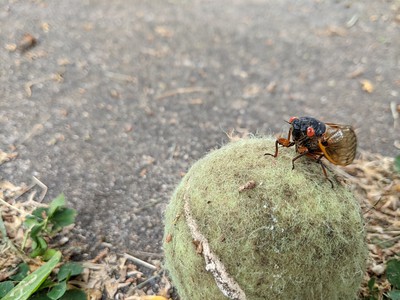
Hope cicadas or other issues aren't keeping you from getting back into the world as people get vaccinated and cases are going down (in most places at least). The cicada above is super fun and ready to play!

This month I am focusing on climate change and biodiversity articles.

If you know someone who wants to sign up to receive these summaries, they can do so at http://bit.ly/sciencejon


BIODIVERSITY:

Ellis et al. 2021 argue that protecting untouched or unmodified habitat from people is a fundamentally flawed framing, b/c most habitat on earth has been to some degree inhabitated by (and modified by) people for thousands of years). It's a good point that what we consider 'natural' is subjective and arbitrary (e.g. the grasslands of the Midwestern U.S. are a result of thousands of years of intentionally set fires and other impacts by indigenous people), and modified ecosystems may have higher species richness or other metrics. They have great data on how much habitats and land use have changed over time (check out all the figures for that), and make an excellent case about how wrong it is to depict human use of nature as a recent despoiling of human-free places. They further argue that current biodiversity losses come from "the appropriation, colonization, and intensifying use of the biodiverse cultural landscapes long shaped and sustained by prior societies" and that the solution lies in empowering the stewardship of indigenous people and local communities. I agree that opinions about which kind of ecosystem and land use is "good" are subjective, that there are good social and human rights reasons to support local autonomy, and that typically local and indigenous people use natural areas in a way more compatible with biodiversity than how people from elsewhere tend to. I think it's also worth recognizing that even indigenous people have consistently caused some extinctions (of large mammals in particular) when they first arrived to actually uninhabitated ecosystems, and that in some cases they currently support the same kind of intensification associated with colonialism. So local autonomy will not always be a recipe for maintaining ecosystems more or less as they currently are, although there are plenty of valid opinions about which human and ecosystem outcomes conservation organizations should work to support. I'd definitely recommend reading the paper, and I realize I have a lot of listening and learning to do on the subject of indigenous-led conservation.

Blankenship et al. 2021 is a good overview of the best available data for historical vegetation / land cover in the U.S. (which comes from LANDFIRE's Biophysical Setting [BpS] model), and how it was produced. It estimates habitat prior to European settlement of the Americas (but not prior to the arrival of Native Americans so not free of human influence). A LOT of data and expertise went into this, including expected natural succession of diferent ecosystems after disturbance, estimated fire frequency and severity, and more. I've used it to identify which areas are appropriate to reforest and which weren't forested to begin with (so shouldn't be a target of restoration in most cases). One bonus aspect of these data is that the team who manages them are incredibly helpful and willing to provide advice and guidance on how to apply them. There is a lot of helpful detail, caveats, and next steps in here for people who may want to use these data.


CLIMATE CHANGE:

Evans et al. 2021 estimated how to reduce greenhouse gases (GHGs) by raising water levels in peatlands which have been drained for agriculture. They found raising the water table by 10cm (re-wetting the peat) reduces net greenhouse gases (GHGs) by an average of 3 t CO2e/yr until it rises to a depth 30cm, from 30cm-8cm rising methane results in smaller net GHG benefits, and <8cm GHGs become net positive (see Fig 1). Cutting the water table depth in half globally (raising it to an average of 45cm in croplands and 25cm in grasslands) would cut emissions from drained peat by about 2/3 (from 786 Mt [aka MMT] CO2e/yr to 278 MT CO2e/yr). These are conservative estimates (leaving out N2O and reduced emissions from avoided deep fires), although the range of those estimates is huge (see Table 1). Alternatively re-wetting all peat up to 10cm would eliminate almost all peat emissions and likely even drive them slightly negative (15 Mt CO2e/yr). However, cutting water table depth in half would flood part of the root zone for most crops and regions, which would reduce yield. But raising the water table to just below the root zone could have big GHG benefits and potentially even improve crop resilience to drought. This is a big opportunity!

Lenzen et al. 2018 estimate the global carbon footprint of tourism in 2013, and is a fascinating read but looks to me like it has some big errors. They find tourism is 8% of global emissions (much higher than other estimates, b/c they look at full supply chain emissions, which means this 8% cuts across several sectors). They helpfully summarize the results both by the countries where tourists reside, and the countries they visit (see Fig 1 and take a moment to read what it all means as it's fascinating). But some of their findings don't make sense to me. For example, they report that from 2009-2013 tourism spending went up by 88% while emissions only rose 15% (which seems very odd, and Fig SI2 on p21 of the supplement looks like spending only went up ~28%). Also, Fig 1 reports Canada as the top "net origin" by emissions but in Table 1 it seems like a huge net destination (with US travel to Canada by far the biggest flow globally). If anyone knows the paper and can point out if I'm missing something I'd appreciate it, otherwise this looks entertaining but unreliable.

Lipsett-Moore et al. 2018 finds that improved fire management in savannas could reduce a lot of greenhouse gas (GHG) emissions, especially in Africa (which has 77% of global potential, compared to 15% in South America and 8% in Austraila & PNG). The basic idea was piloted in Australia, and involves intentional burning in the early dry season to reduce fire (intensity, frequency, and scale) later on. The pilot roughly tripled the area burned early, while cutting the area burned late by 2/3, resulting in ~1/3 less GHG emissions over 7 years. This analysis uses remote sensing to estimate fire emissions and opportunities to reduce them. In South America the total emissions potential is much lower than Africa, but the relative change is larger (75% reduction). These changes count under Kyoto so can be used for carbon credits.

Milly and Dunne 2020 predict a roughly 9% decrease in flow in the Colorado River for every degree C increase in local temperature, due to evaporation increasing more than precipitation. Much of the paper is about different aspects of the model and how they corrected for some issues, but the core point that areas expecting more rain may still see rivers dry out was notable (especially in areas where snow cover is expected to decrease).


REFERENCES:

Blankenship, K., Swaty, R., Hall, K. R., Hagen, S., Pohl, K., Shlisky Hunt, A., Patton, J., Frid, L., & Smith, J. (2021). Vegetation dynamics models: a comprehensive set for natural resource assessment and planning in the United States. Ecosphere, 12(4). https://doi.org/10.1002/ecs2.3484

Ellis, E. C., Gauthier, N., Klein Goldewijk, K., Bliege Bird, R., Boivin, N., Díaz, S., Fuller, D. Q., Gill, J. L., Kaplan, J. O., Kingston, N., Locke, H., McMichael, C. N. H., Ranco, D., Rick, T. C., Shaw, M. R., Stephens, L., Svenning, J.-C., & Watson, J. E. M. (2021). People have shaped most of terrestrial nature for at least 12,000 years. Proceedings of the National Academy of Sciences, 118(17), e2023483118. https://doi.org/10.1073/pnas.2023483118

Evans, C. D., Peacock, M., Baird, A. J., Artz, R. R. E., Burden, A., Callaghan, N., Chapman, P. J., Cooper, H. M., Coyle, M., Craig, E., Cumming, A., Dixon, S., Gauci, V., Grayson, R. P., Helfter, C., Heppell, C. M., Holden, J., Jones, D. L., Kaduk, J., … Morrison, R. (2021). Overriding water table control on managed peatland greenhouse gas emissions. Nature. https://doi.org/10.1038/s41586-021-03523-1

Lenzen, M., Sun, Y.-Y., Faturay, F., Ting, Y.-P., Geschke, A., & Malik, A. (2018). The carbon footprint of global tourism. Nature Climate Change, 8(6), 522–528. https://doi.org/10.1038/s41558-018-0141-x

Lipsett-Moore, G. J., Wolff, N. H., & Game, E. T. (2018). Emissions mitigation opportunities for savanna countries from early dry season fire management. Nature Communications, 9(1), 2247. https://doi.org/10.1038/s41467-018-04687-7

Milly, P. C. D., & Dunne, K. A. (2020). Colorado River flow dwindles as warming-driven loss of reflective snow energizes evaporation. Science, 367(6483), 1252–1255. https://doi.org/10.1126/science.aay9187


Sincerely,


Jon

Tuesday, December 1, 2020

December 2020 science article summary

Cracking pecans with a garlic press

Hello,

I've been falling behind on my science reading lately, but given the recent fires in the Pantanal (a South American wetland region) I thought I'd include a few papers on that, plus one bonus paper on fencing & wildlife. Next month I'll send out my usual "best of 2020" recap of my favorite articles that I read this year. 

If you know someone who wants to sign up to receive these summaries, they can do so at http://bit.ly/sciencejon

PANTANAL:
Alho and Sabino 2012 is a nice overview of the hydrology & biodiversity of the Pantanal, and how it has been modified by human activities. It covers the seasonal flooding (which inundates ~40-80% of the area), and how that relates to the species known to occur there (and notes that there are certainly a number of species not yet described by Western science). They flag hydroelectric dams and deforestation (mostly for pasture and farms) as two key threats to the hydrology. Dams reduce the floods in the wet season, and deforestation has reduced water retention, increased evaporative losses, and introduced invasive grass species which make the area more susceptible to fire. They also note overfishing, water pollution, and roads as additional threats.

de Oliveira 2014 compared riparian forests that were unburned to others that had burned roughly every four years, with variation in flooding frequency in both. They found that fire didn't affect species richness, but did reduce stem density and also substantially affected the species composition / proportion (with relatively few species in burned areas accounting for most of the plants in those areas, Fig 4). More days of floods reduced both species richness and stem density.

Lázaro et al. 2020 uses data on rain, streamflow, and satellite imagery to evaluate how the Northern Pantanal's hydrology has changed in recent years. They found that the Northern Pantanal has 13% more days without rain compared to the 1960s, plus a 16% drop in inundated area in August (the peak of the dry season) from 2008 to 2018. These changes are likely driven by both lower rainfall (delayed onset and shorter duration of the rainy season over the last decade) and hydrological modifications. Given the critical role of flooding to the Pantanal's ecology, this is a major threat to the viability of the ecosystems in the Pantanal. They note deforestation, water pollution from agriculture, and dredging for the passage of boats to ship agricultural commodities as additional threats beyond the changing hydrology.

Santos et al. 2020 reviews how one family of bats responded to 2005 fires in the Pantanal. They sampled six small forest patches (0.5-5 ha) both immediately and 3 months after a fire, of which three were completely burned, one was partially burned, and two were entirely unburned. They found that predatory bats were most abundant in burned patches right after the fire, but 3 months later those predators had been entirely replaced with few species of generalist fruit-eating bats (with the predators returning to unburned sites). It's a very small study on one family of bats, so may or may not be representative of fire response in the Pantanal more broadly.

Schulz et al. 2019 is an overview of the Pantanal, including it's environmental history, biodiversity, traditional use and management by humans (for fishing and low-intensity ranching), and current threats. It's a dense read with lots of good information, but the loss of traditional ecological knowledge is flagged as one interesting threat. Other key threats include deforestation, changing hydrology (from hydropower dams, deforestation, and climate change), river dredging, agricultural intensification, water pollution from upland areas near the Pantanal, overfishing (recreational and commercial). They find relatively little quantitative socio-economic data, lack of distinction between different subregions of the Pantanal, and many more research gaps.


WILDLIFE MIGRATION / FENCING:
McInturff et al. 2020 calls for 'fence ecology' as needing synthesis of existing research as well as more mapping and analysis of fences. The lack of good data on fences mean that barriers to migration and human footprint are likely underestimated. They model fence densities across most of 9 states in the Western US (Figure 2). They have a great summary of which species and ecosystem traits benefit or are harmed by different kinds of fences (Table 1), and even provide a typology of ecological impacts (Table 2), while noting that for every winner there are multiple losers. Finally, they synthesize 446 fencing studies and note several biases and related gaps. They found that research has focused on: economically important medium-sized ungulates (table 3), small plots (as opposed to large landscapes), few countries (the U.S., China, Australia, Botswana, and South Africa account for more than half of studies), conservation fencing (with livestock fencing and other kinds understudied), and impacts on the species a fence was built for (~2/3 of studies only studied impact on the target species as opposed to other species which may be impacted). They close by calling for policy action on wildlife-friendly fencing design and placement, and on removing fencing (and limiting new construction). There's a blog about this paper at https://theconversation.com/fences-have-big-effects-on-land-and-wildlife-around-the-world-that-are-rarely-measured-147797

Laskin et al. 2020 compares how different fence designs fare at preventing bison from crossing while letting other wildlife pass through. As you might expect, the most open fence was the most permeable for wildlife (with just 2 wires, 80cm and 100cm off the ground). The authors found that they could adjust the fence to a 5-wire configuration as needed to better contain bison despite being worse for wildlife, then adjust it back to 2-wire when bison are no longer expected to interact with the fence.


REFERENCES:
Alho, C. J. R., & Sabino, J. (2012). Seasonal Pantanal Flood Pulse: Implications for Biodiversity Conservation – a Review. Oecologia Australis, 16(4), 958–978. https://doi.org/10.4257/oeco.2012.1604.17

de Oliveira, M. T., Damasceno-Junior, G. A., Pott, A., Paranhos Filho, A. C., Suarez, Y. R., & Parolin, P. (2014). Regeneration of riparian forests of the Brazilian Pantanal under flood and fire influence. Forest Ecology and Management, 331, 256–263. https://doi.org/10.1016/j.foreco.2014.08.011

Laskin, D. N., Watt, D., Whittington, J., & Heuer, K. (2020). Designing a fence that enables free passage of wildlife while containing reintroduced bison: a multispecies evaluation. Wildlife Biology, 2020(4). https://doi.org/10.2981/wlb.00751

Lázaro, W. L., & Oliveira-júnior, E. S. (2020). Thematic Section : Opinions about Aquatic Ecology in a Changing World Climate change reflected in one of the largest wetlands in the world : an overview of the Northern Pantanal water regime. Acta Limnologica Brasiliensia, 32, 8.

McInturff, A., Xu, W., Wilkinson, C. E., Dejid, N., & Brashares, J. S. (2020). Fence Ecology: Frameworks for Understanding the Ecological Effects of Fences. BioScience, 70(11), 971–985. https://doi.org/10.1093/biosci/biaa103

Santos, C. F., Teixeira, R. C., Raizer, J., & Fischer, E. (2020). Post-fire phyllostomid assemblages in forest patches of the Pantanal wetland. Mammalia, 1–4. https://doi.org/10.1515/mammalia-2020-0037

Schulz, C., Whitney, B. S., Rossetto, O. C., Neves, D. M., Crabb, L., de Oliveira, E. C., … Saito, C. H. (2019). Physical, ecological and human dimensions of environmental change in Brazil’s Pantanal wetland: Synthesis and research agenda. Science of the Total Environment, 687, 1011–1027. https://doi.org/10.1016/j.scitotenv.2019.06.023


Sincerely,
 
Jon
 
p.s. If you'd like to keep track of what I write as well as what I read, I always link to both my informal blog posts and my formal publications (plus these summaries) at http://sciencejon.blogspot.com/