Surprisingly, there are very few assessments of the overall environmental impact of beef across the supply chain (looking at all phases of their life). The only ones we've found have a clear bias either favoring industrial systems or grass-finished systems. So, The Nature Conservancy decided to fill that gap with a rapid assessment.
We looked at major impacts and opportunities to improve for each of the different production phases: ranch and farm grazing (cow-calf ranches, stockers, backgrounders, etc., when they're roaming about and grazing), feed production (growing hay / silage and row crops to be fed to cattle), feedlots (operation of the feedlot where they're fattened not including growing the feed), and harvest facilities (slaughterhouses).
You can read a bit about the report and our major findings here:
The report can be directly downloaded here:
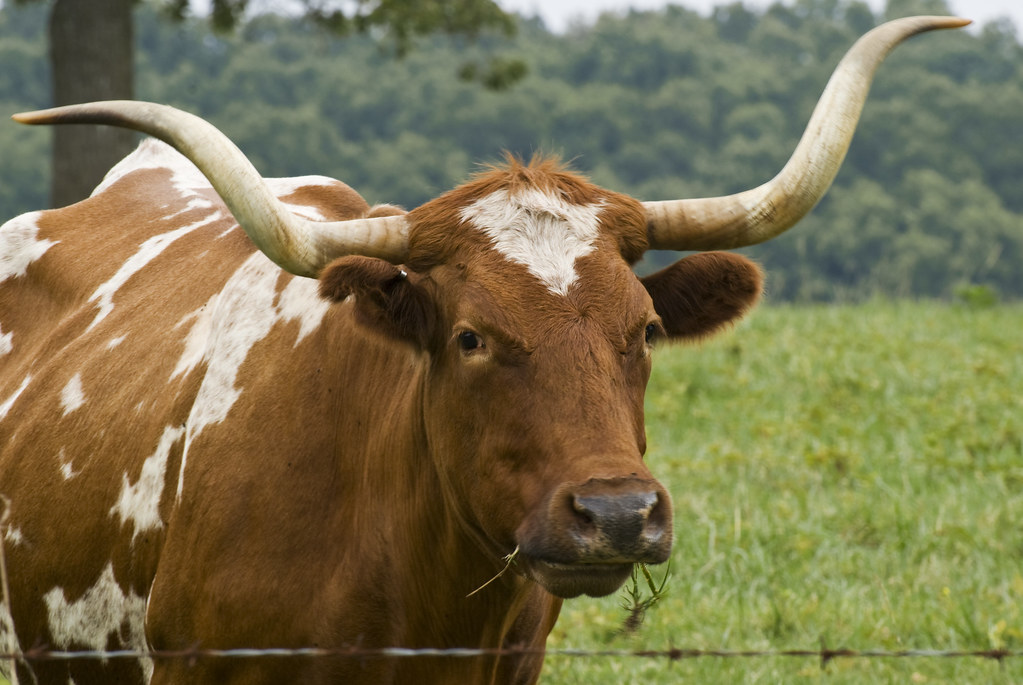
The most interesting / surprising finding to me was that the grazing phase actually had the biggest impact. The key is that while it's fairly low impact per acre, it's by far both the largest footprint and where cattle spend the most time. So put together we actually see more greenhouse gas emissions, water quality impacts, and wildlife habitat impacts from that grazing phase.
A couple of key notes: Walmart provided funding for this report but had no editorial control or input into the content of the paper. Also, this was a rapid assessment (it took place over 6 months in between other work) by a small team of four scientists, so we do not have all the answers. Some critical issues we didn't have time to assess include impacts of dairy cattle, a comparison of the impact of beef to other protein sources (vegetable and animal), animal welfare and social issues, and the return on investment of different sustainability options (e.g. what would provide the most benefit per dollar spent). That's all important but was too much for us to tackle.
Finally, I occasionally have people ask me "Why should I trust you (as a vegan, or as an environmentalist) to give me accurate information about livestock and agriculture?" My answer is usually the same, which is that I encourage people not to simply trust me: instead look at the work, check my assumptions / calculations / sources, and come to your own decision about whether or not the analysis has merit. My job is to be as honest, accurate, and transparent as possible to make that process easy. Along those lines, I'm happy to take questions / critiques here.